
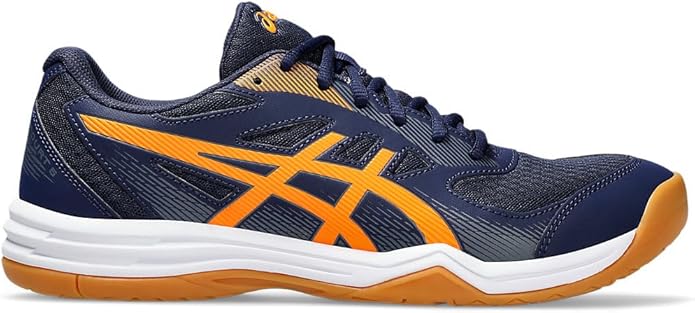
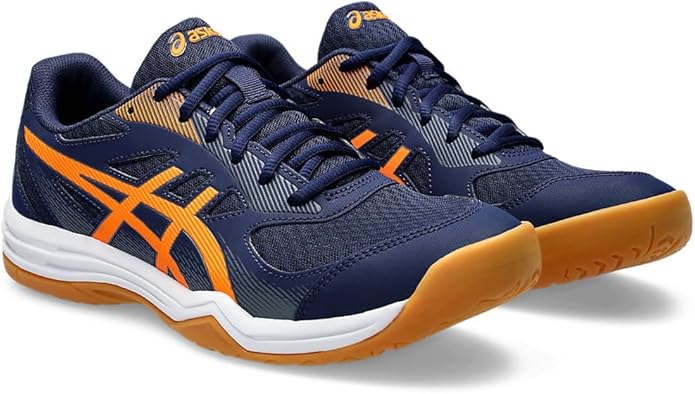
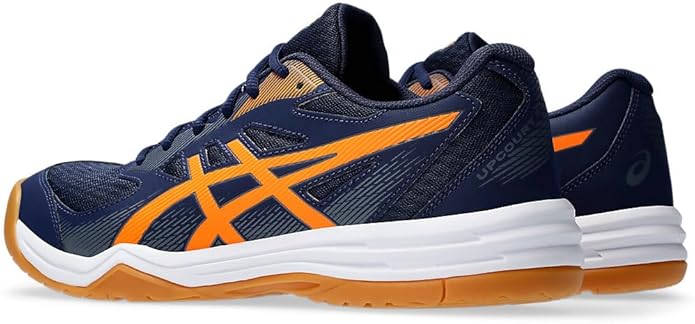
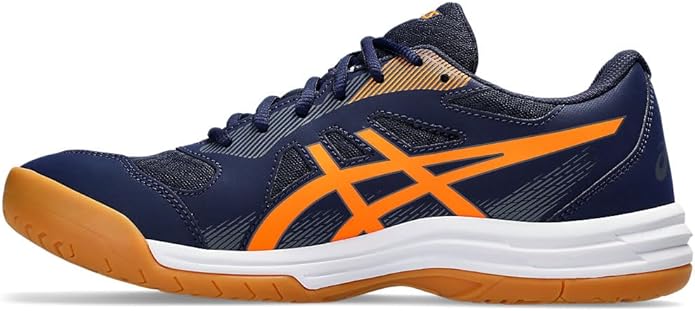
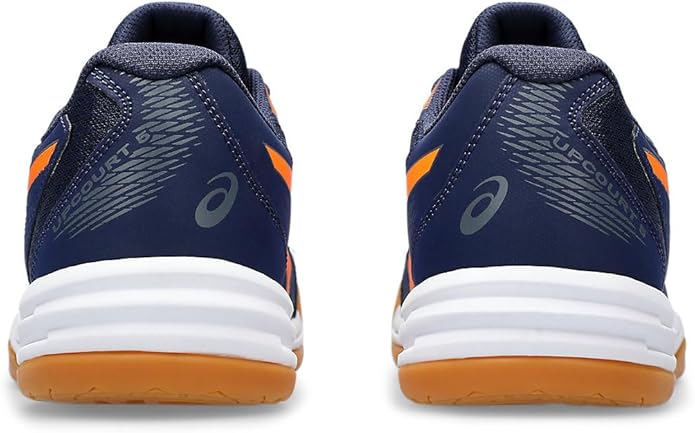
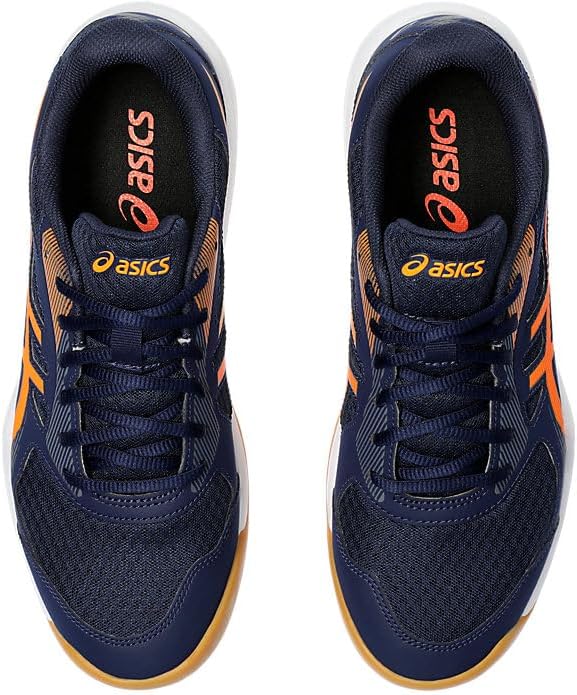
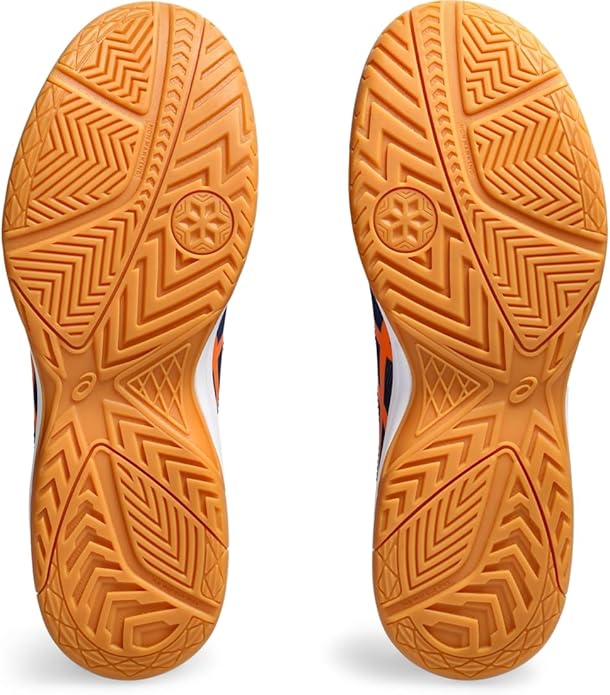
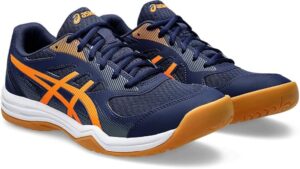
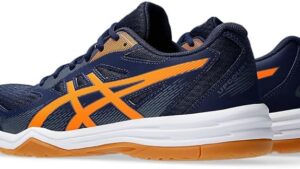
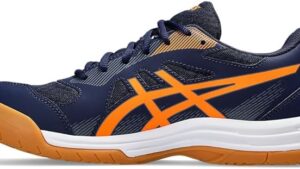
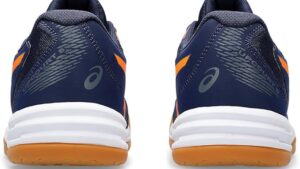
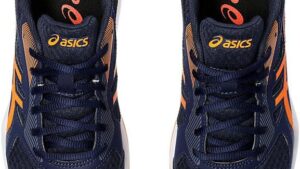
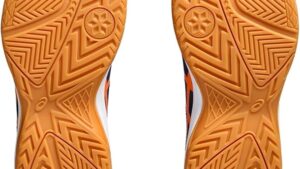
ASICS Men’s Upcourt 5 Volleyball Shoes
$54.95
- 💰 Price: $65 (MSRP)
- ⚖️ Weight: 10.2 oz (men’s size 9)
- 🧪 Midsole: EVA foam
- 👟 Upper: Breathable mesh with synthetic overlays
- 🏐 Outsole: Non-marking gum rubber
- 📐 Width options: Standard only
- 🎯 Best for: Recreational indoor volleyball, pickleball, multi-court sports
Replacing court shoes after more than a decade felt less like a shopping decision and more like an intervention. I’m Mike, and when my old cross-trainers finally gave out — worn through the heel after eleven years of volleyball nights and weekend pickleball — I needed something under $70 that could actually handle court play without falling apart by the third month. The ASICS Men’s Upcourt 5 kept appearing in every search at $65, promising lightweight performance and serious indoor court grip. Eight weeks and 35 court sessions later, here’s what I actually found.
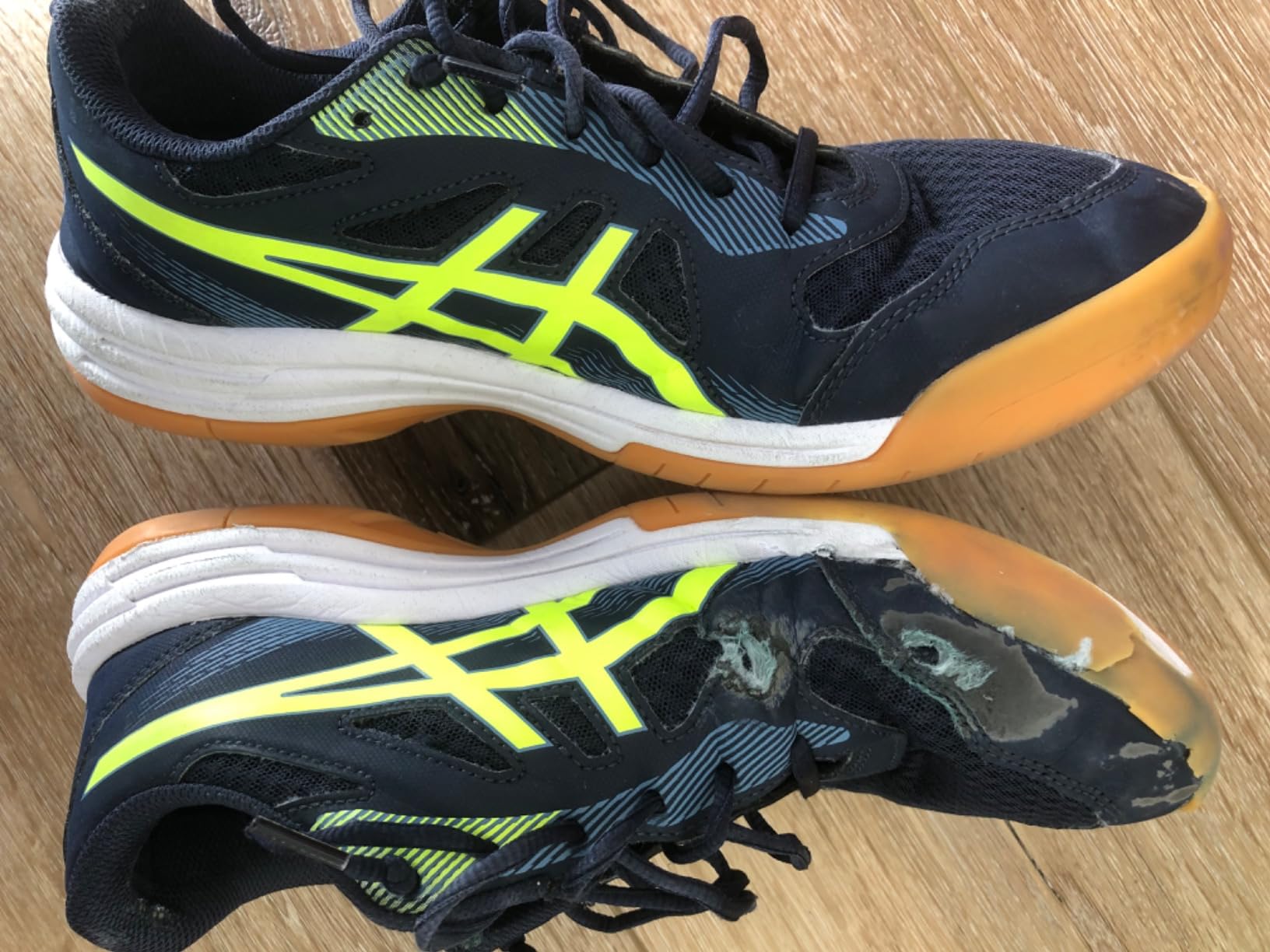
First Impressions: Build Quality and the Problem Nobody Warns You About
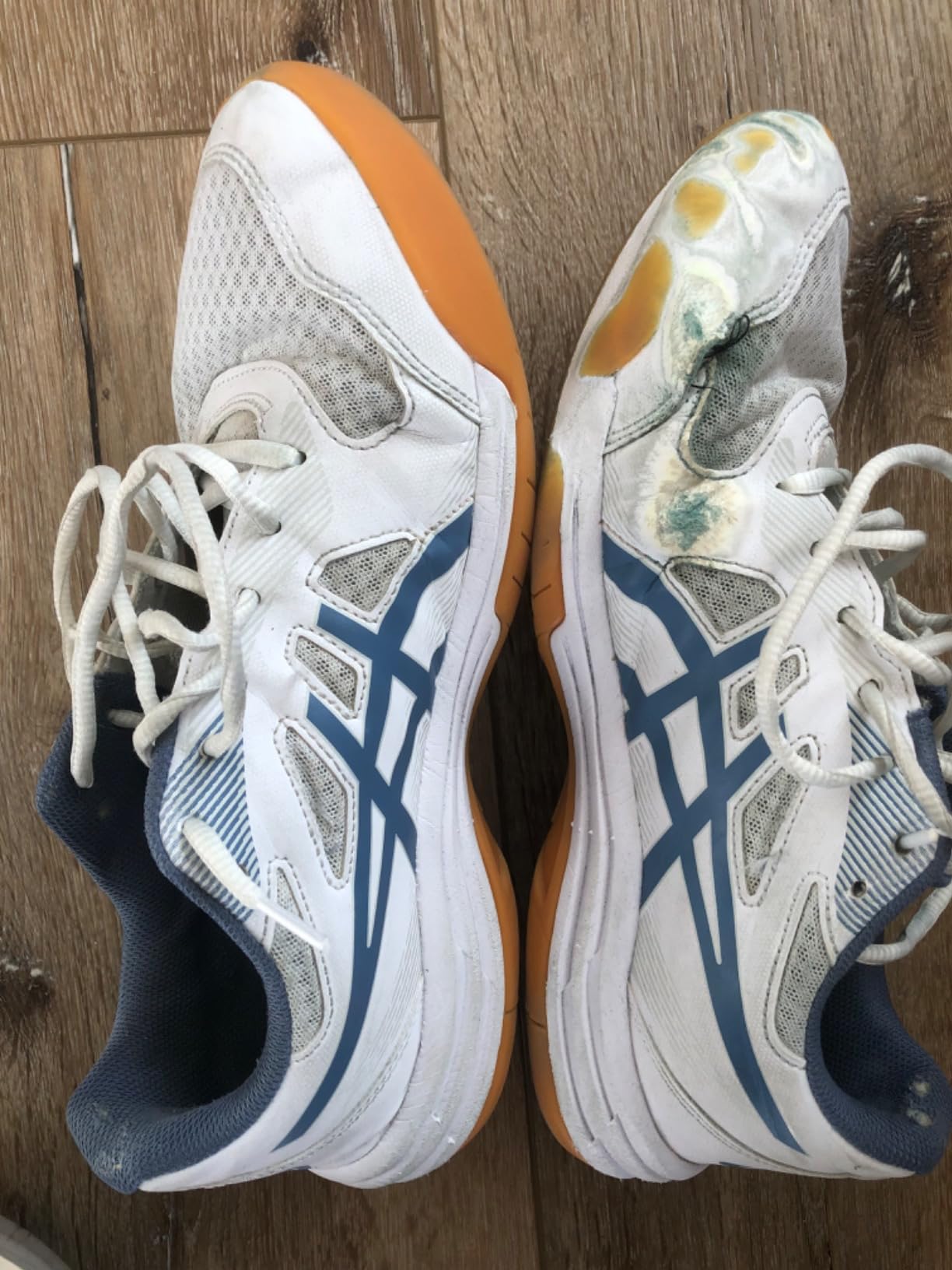
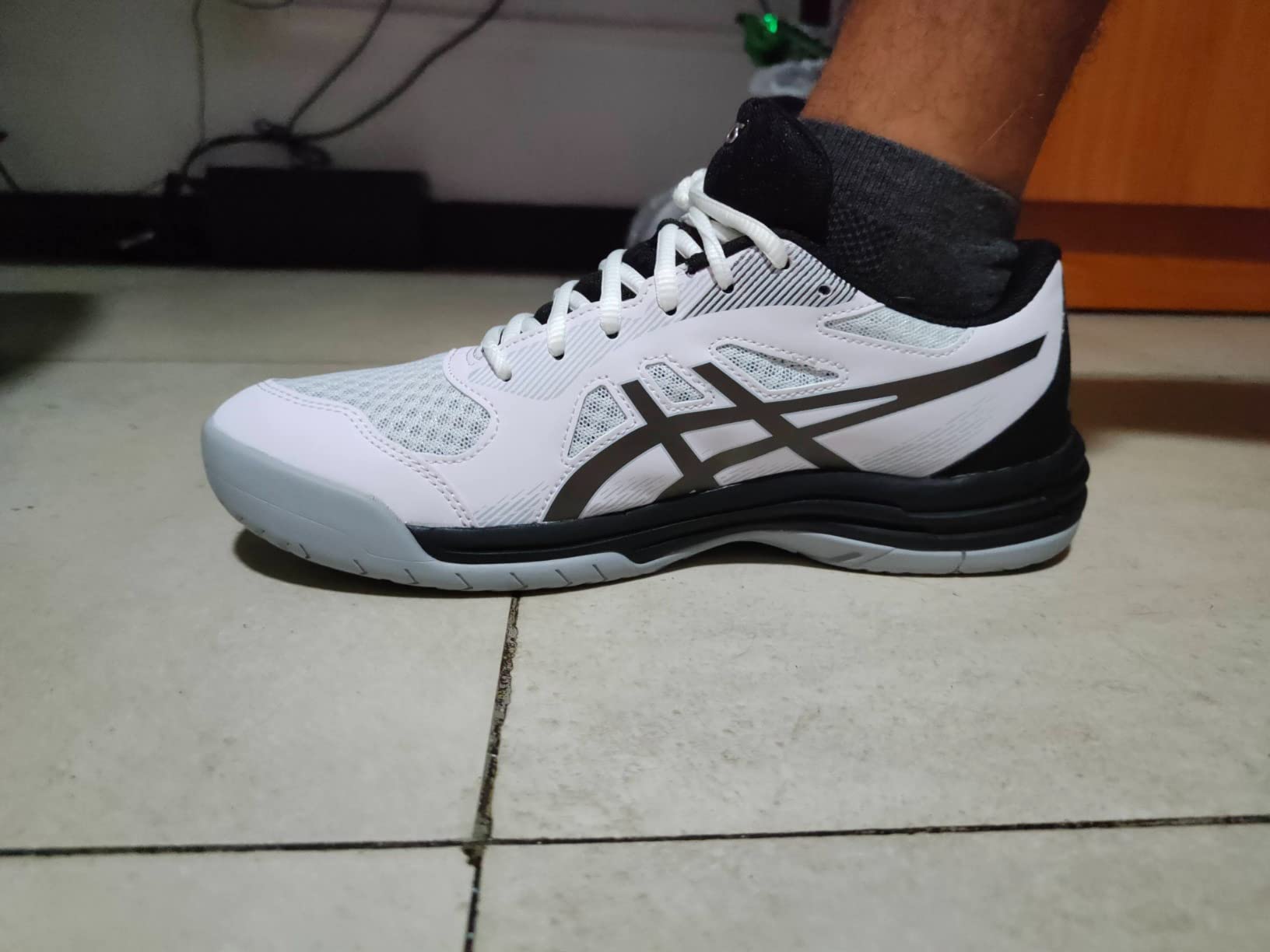
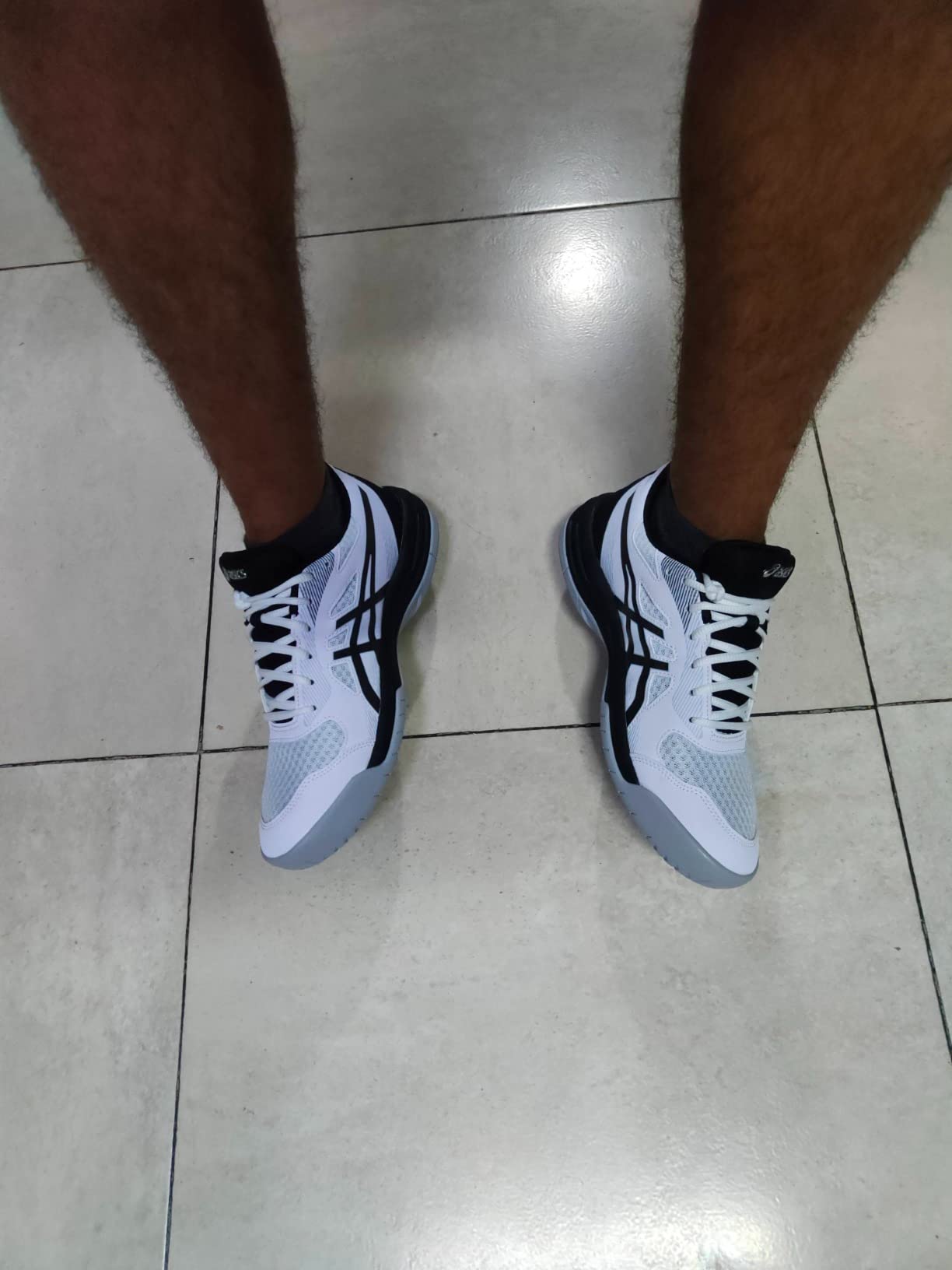
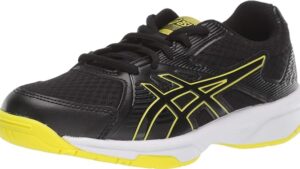
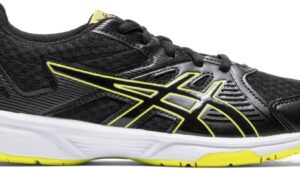
Right out of the box, the Upcourt 5 doesn’t feel like a $65 shoe — and I mean that as a compliment. The mesh upper has a noticeably open weave, the construction feels solid rather than flimsy, and the white and safety yellow colorway is clean without demanding attention. I’ve gotten compliments at the gym from players who assumed these cost more. The synthetic overlays running along the midfoot sit at the exact stress points where lateral movement loads the shoe — they’re structural, not cosmetic.
The padding around the ankle collar is well-proportioned. Enough cushioning to prevent abrasion during aggressive footwork, not so much that it creates pressure. I wore these for a full two-hour session on day one without any hotspot issues, which is unusual for court shoes at any price.
The Lace Issue: Deal With This Before Your First Session
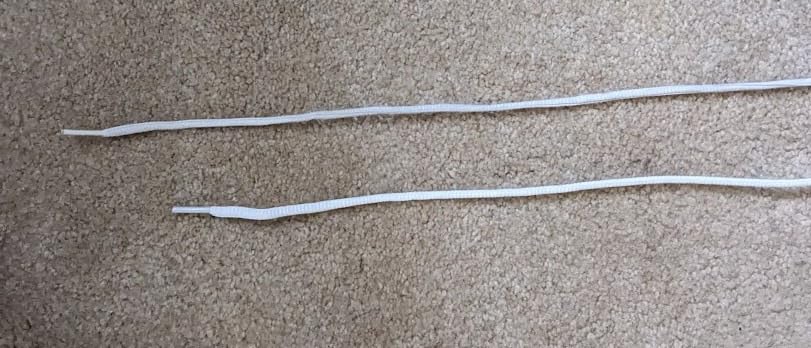
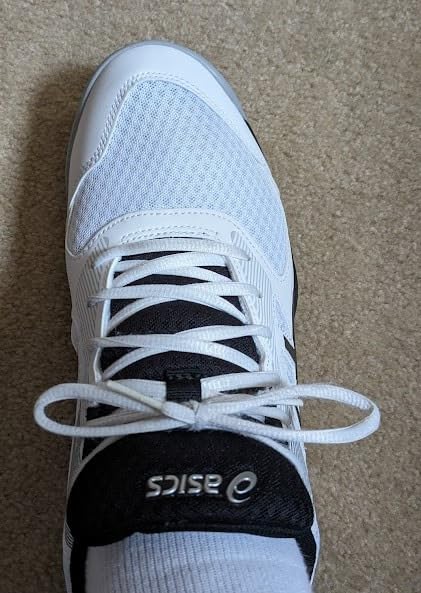
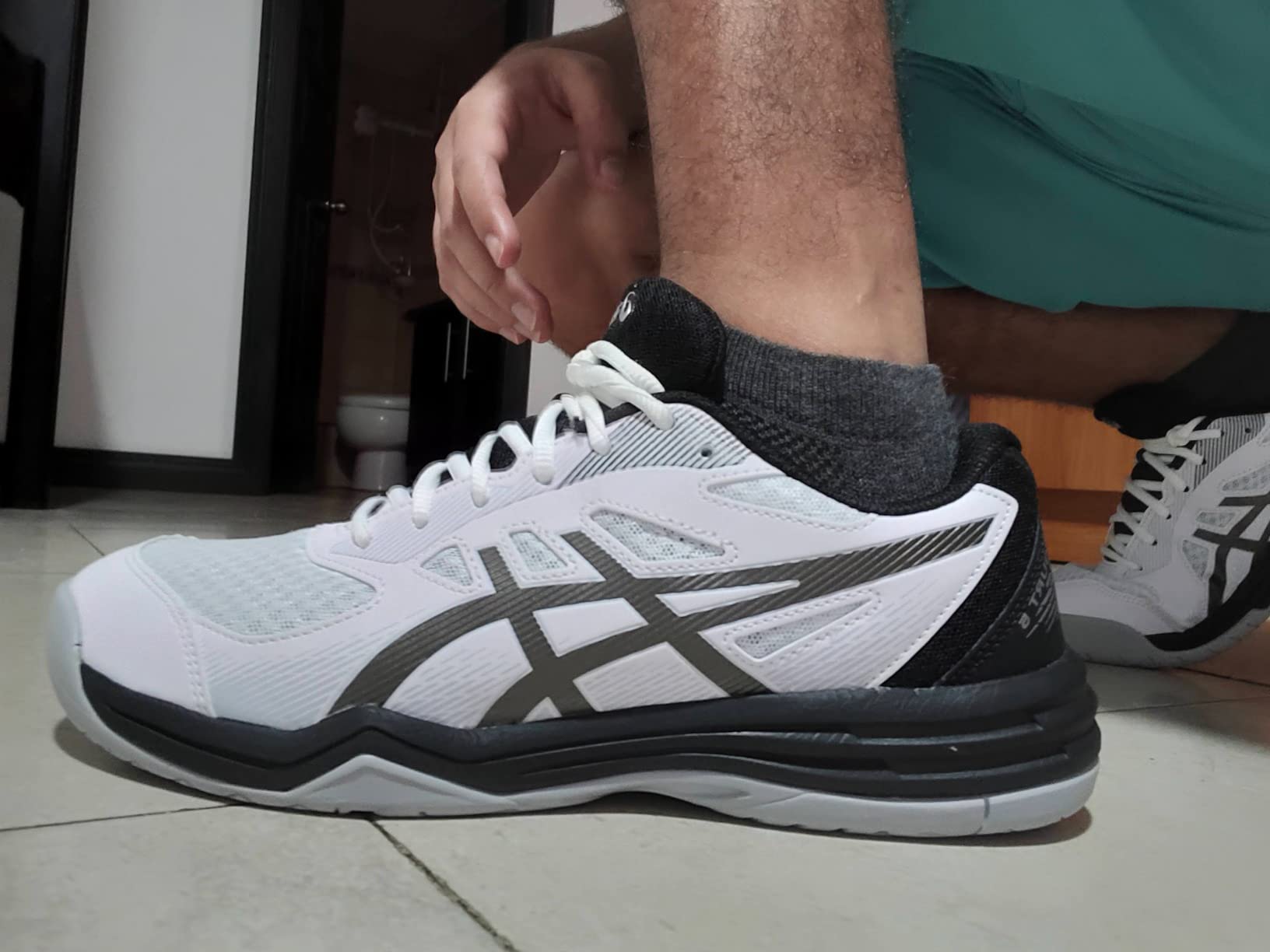
The short laces are real, and they’re not a minor inconvenience. At size 11.5 with a 6’1″ frame, I could barely manage a secure bow without the ends pulling apart by the second or third rotation change. This isn’t an isolated complaint — hundreds of Amazon reviewers flag this exact issue across multiple size ranges.
The fix is straightforward and cheap: 54-55 inch flat replacement laces cost $5-8 and solve the problem entirely. Order them with the shoe. This is a legitimate manufacturing spec issue that ASICS hasn’t addressed across multiple production runs, so don’t expect them to ship with longer laces anytime soon. Plan for the replacement as part of the purchase cost.
With fresh laces installed, this problem disappears. But the fact that a brand new pair requires an immediate fix before the first wear is worth naming directly.
Court Performance: What 35 Sessions Actually Proved
Once the lace situation was sorted, the court performance stood on its own merits. The gum rubber outsole on indoor hardwood grips the way it’s supposed to — I made defensive saves from poor positioning, sharp direction reversals chasing down tips, and explosive jumps to the net across all 35 sessions without a single slip. The grip never felt variable or surface-dependent the way some budget outsoles do when the gym floor temperature changes.
The weight difference from my old cross-trainers was noticeable immediately. At 10.2 oz, the Upcourt 5 isn’t the lightest court shoe in the market, but coming from heavier footwear, the reduction was tangible. By the end of a two-hour practice session, I had less calf fatigue than I’d experienced in months. Whether that’s specifically the weight, the sole flexibility, or the combination, I can’t isolate — but the fatigue reduction across longer sessions was consistent across multiple weeks of testing.
The midfoot overlays handle lateral stability well. Volleyball demands quick side-to-side cuts that can send your foot sliding inside a loose shoe; that didn’t happen here. During pickleball sessions — where direction changes are more abrupt and the foot plant is different — the same stability held. Your foot stays positioned without the shoe feeling rigid or constraining natural movement.
One limitation worth noting upfront: this gum rubber compound is optimized for smooth indoor courts. The performance on outdoor surfaces is a different conversation entirely, which I’ll address in the durability section.
Comfort and Cushioning: What the EVA Midsole Actually Delivers
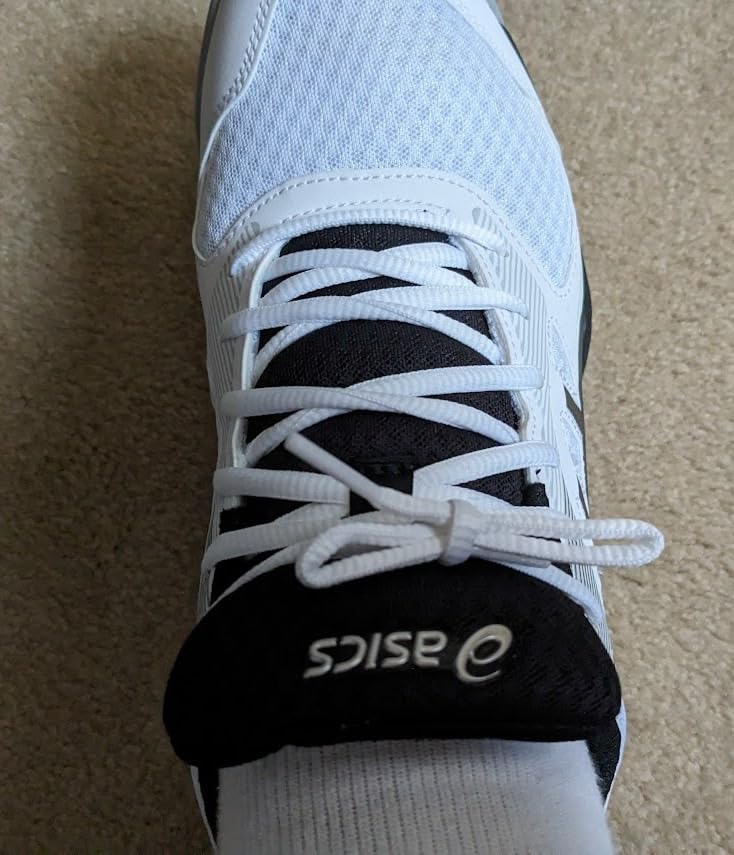
The immediate out-of-box comfort is one of this shoe’s genuine differentiators. Unlike many court shoes that require several sessions to break in, the Upcourt 5 felt ready from the first hour. The mesh construction and ankle collar padding work together to prevent the hot spots and pressure points that make new court shoes painful for the first few weeks.
For my 185-pound frame on indoor hardwood, the EVA midsole provides adequate cushioning for recreational play. Impact from net jumps and quick footwork felt absorbed without the unstable “bouncing on a trampoline” sensation that overly cushioned budget shoes sometimes produce. It’s a firm, controlled platform — appropriate for court sports that demand ground feel and quick direction changes.
The honest caveat: this is EVA foam. It’s not GEL cushioning, not FlyteFoam, not any proprietary technology. For players above 220 pounds, the basic EVA cushioning likely won’t provide sufficient protection from repeated hard landings over an extended session. The ASICS Gel-Rocket 11 addresses this with actual GEL insert cushioning — worth the $20-30 premium for heavier athletes.
Breathability: The Standout Feature at This Price Point
Over two-hour indoor sessions in gyms that run warm, the difference between the Upcourt 5’s mesh upper and the synthetic leather options I’d used before was clear. My feet stayed noticeably drier throughout sustained intense activity. This matters practically: sweat accumulation in court shoes leads to discomfort, increased blister risk, and reduced foot stability in the shoe. The open mesh construction manages moisture continuously rather than letting it accumulate.
The trade-off is one you should understand: the same open mesh that keeps your feet cool is more vulnerable to abrasion damage than synthetic leather. The breathability advantage is real; the durability consequence on rough surfaces is equally real.
Durability: Honest Numbers for Both Use Cases
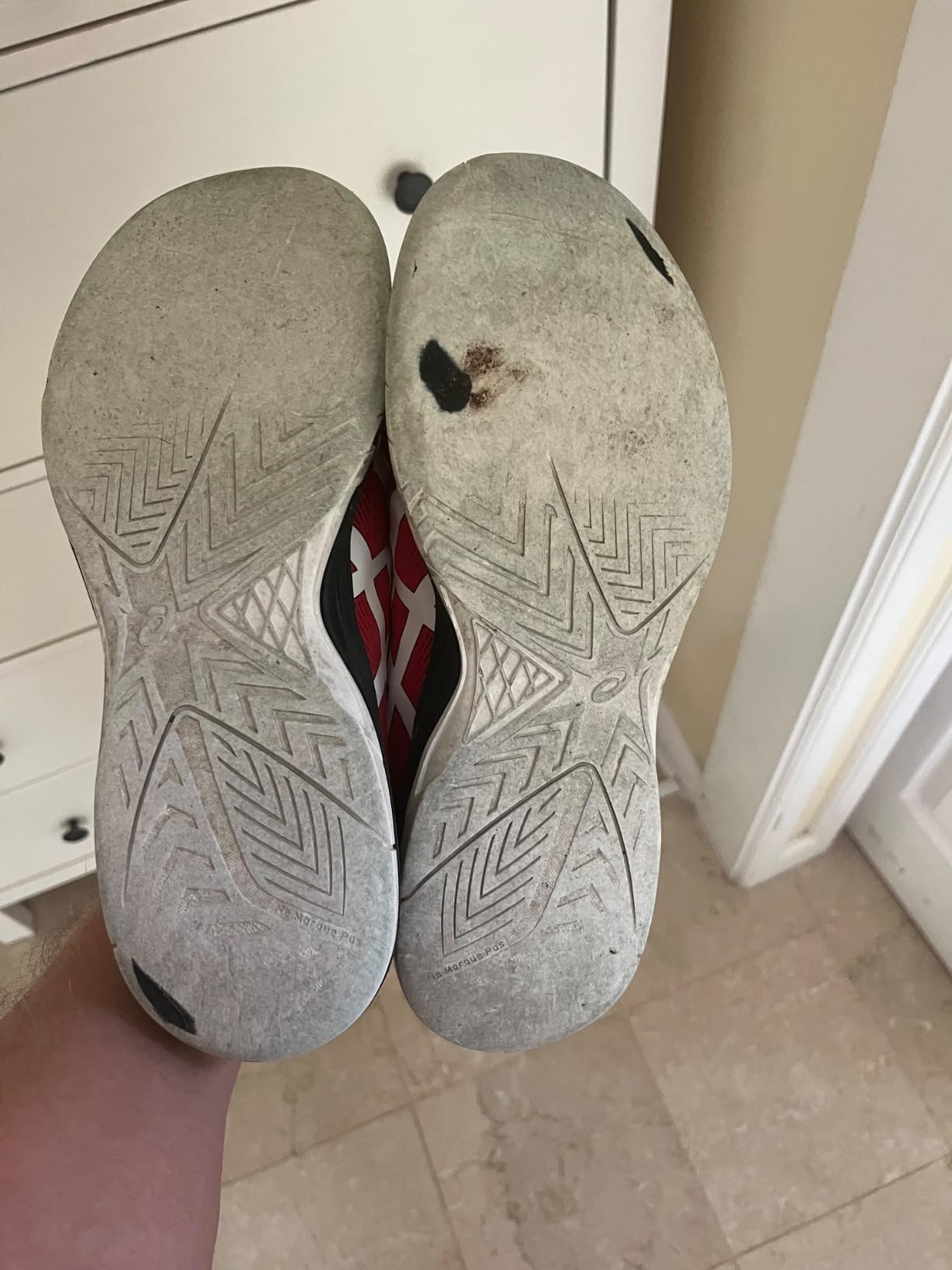
After eight weeks of indoor-only sessions (volleyball 2x/week, pickleball 1x/week), my pair shows minimal wear. The outsole tread pattern remains mostly intact. The mesh upper has no tears, no visible stretching, no delamination at the overlays. The evidence from my testing supports the shoe’s intended use case: indoor recreational court play.
The outdoor story is entirely different. Multiple reviewers who used the Upcourt 5 on outdoor pickleball courts reported significant outsole degradation between the three and five month mark, with wear progressing from surface scuffing to compound erosion. One documented case showed complete outsole penetration at approximately 100 hours of outdoor play — that’s a failure mode, not gradual wear. The mesh upper also suffers accelerated stress under outdoor court abrasion.
This isn’t a quality control problem — it’s a design reality. The gum rubber compound and mesh upper that perform well on smooth indoor hardwood aren’t built for rough concrete or asphalt. ASICS markets these as indoor court shoes. The durability data confirms exactly why that designation exists.
**Expected lifespan by use pattern:**
– Recreational indoor (2-3 sessions/week): 6-12 months
– Intensive indoor (4-5+ sessions/week): 4-6 months
– Outdoor courts (any frequency): 3-5 months with accelerated degradation
Sizing and Fit: Narrower Than It Looks
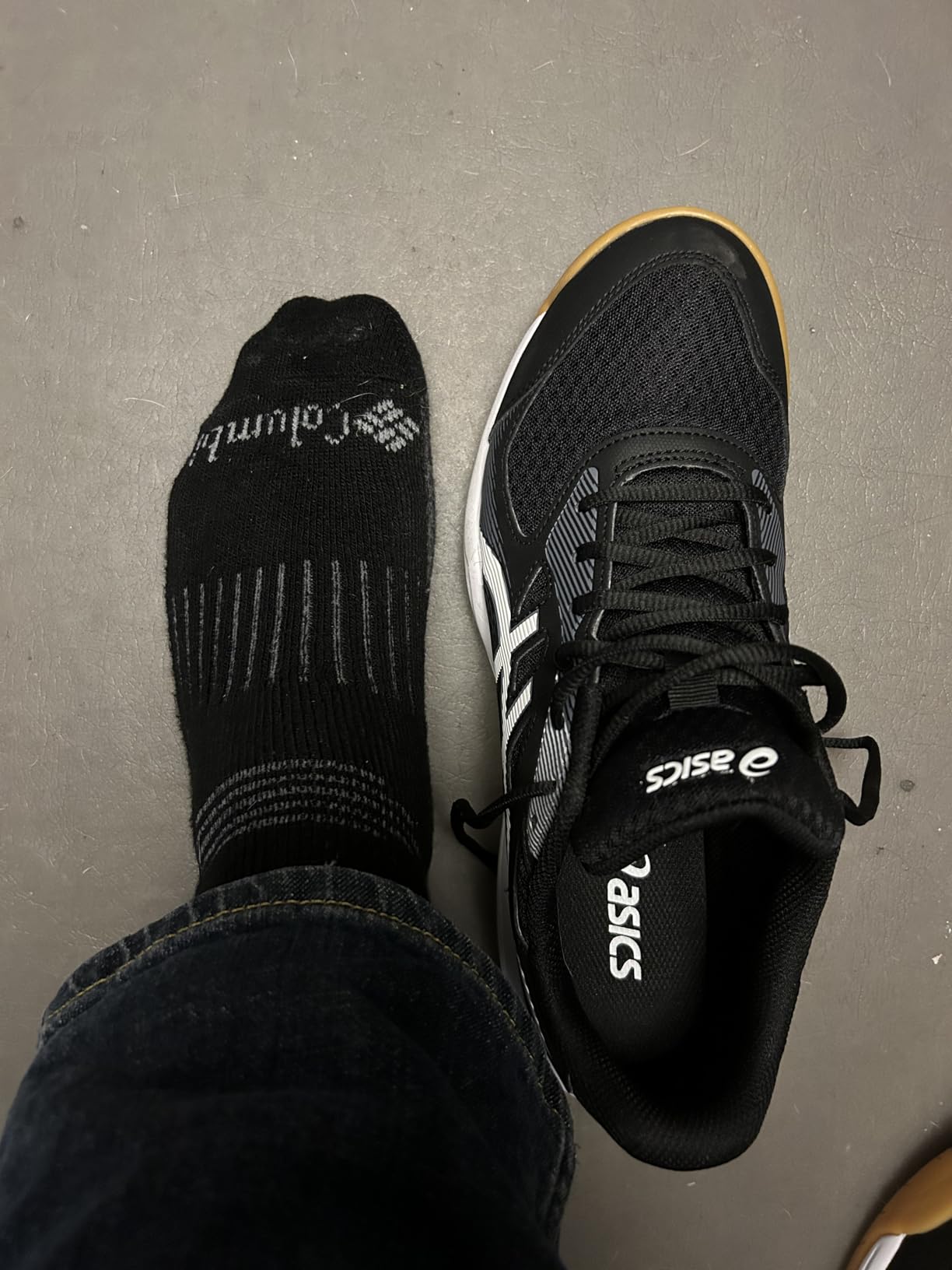
Lengthwise, my size 11.5 fit exactly as expected — true to size with appropriate toe room. The narrow last, though, requires a separate conversation from length accuracy. The Upcourt 5 runs narrow throughout the forefoot and toe box. For standard-width feet like mine, this translates to a tight, locked-down feel that’s actually a performance advantage during lateral movement. Your foot doesn’t shift inside the shoe during sharp cuts.
For wide-footed players, the narrow construction is a genuine issue. The standard advice is to size up half a step, which helps with length-related tightness but doesn’t fundamentally transform the width profile. Some reviewers with wider feet report adequate comfort after sizing up; others still find the forefoot too constrictive regardless. No wide-width variant exists for this model.
One thing the narrow fit does deliver that’s worth acknowledging: court lockdown. During volleyball and pickleball sessions, the secure foot positioning contributed directly to confidence in aggressive movement. Players with narrow feet who sometimes feel like they’re sliding inside a court shoe will appreciate this.
Value at $65: The Math for Recreational Players
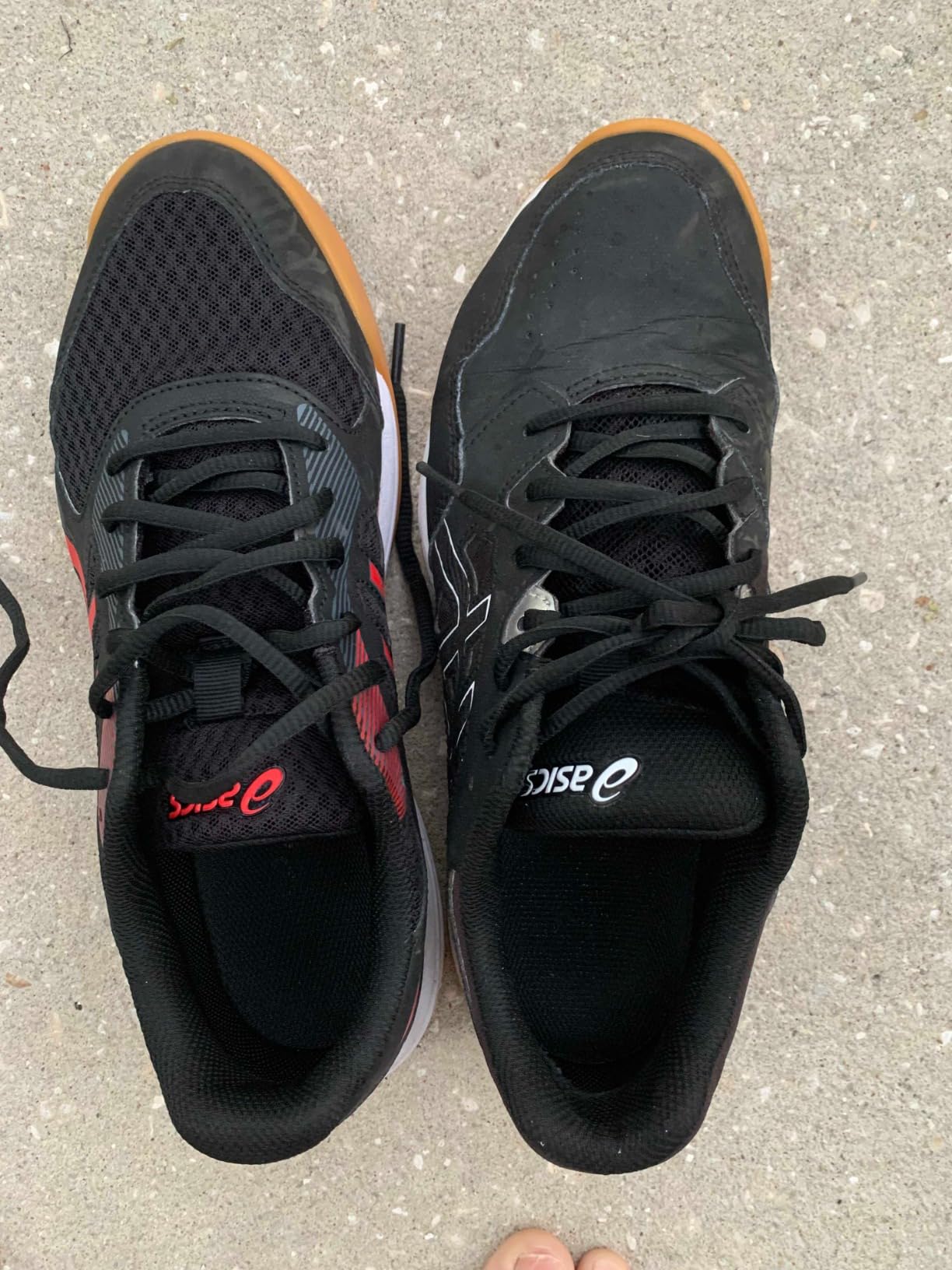
The $65 price point positions the Upcourt 5 as a budget entry that delivers more than most options at this level. The honest comparison:
Against premium court shoes ($120-150): You’re giving up advanced cushioning technology, better durability materials, and longer expected service life. What you’re keeping is approximately 75-80% of the performance output for recreational indoor play at roughly half the cost. For players competing in leagues or training at high frequency, this trade-off eventually reverses — the premium shoe’s longer lifespan often produces better value per session.
Against other budget court options ($40-70): The Upcourt 5 competes strongly on construction quality, brand reputation, and especially breathability. Many competing budget options use synthetic leather uppers that create heat and moisture problems during sustained play. The mesh advantage here is a real differentiator at this price range.
Cost-per-session math for recreational players:
– $65 ÷ 12 months = $5.42/month
– At 8-10 indoor sessions/month: approximately $0.54–$0.68 per session
– At expected 6-month lifespan with heavier use: $10.83/month, $0.90–$1.08 per session
These numbers hold up for weekend warriors. For competitive players running five-plus sessions weekly, the value calculation gets tighter — the ASICS Gel-Rocket 10 or current Gel-Rocket 11 become more financially sound choices over a 12-month period.
Do the Marketing Claims Check Out?
ASICS describes the Upcourt 5 as offering “better flexibility and a more comfortable fit” versus previous models, along with “supportive midfoot overlays for better stability during multi-directional movements.” Based on eight weeks of testing:
✅ Flexibility: Confirmed. The mesh construction and sole flex zones allow natural foot movement during jumps, cuts, and directional changes without feeling stiff.
✅ Comfortable fit: Confirmed for standard and narrow feet. The immediate comfort is genuine. The caveat: “comfortable fit” doesn’t apply to wide-footed players who’ll find the narrow last constraining.
✅ Lightweight design: Confirmed. At 10.2 oz, this is noticeably lighter than cross-trainers and many comparable court shoes. The fatigue reduction across longer sessions is real.
✅ Midfoot stability overlays: Confirmed. The lateral support during multi-directional movement is functional, not just structural. This was one of the more pleasant surprises during testing.
⚠️ Durability for regular use: Mixed results. For indoor recreational use at 2-3 sessions per week, durability holds up well. For outdoor use or intensive training schedules, the durability profile falls short of what “regular use” implies.
My Overall Assessment
Performance Scores
| Performance Category | Score (1-10) | Notes |
|---|---|---|
| Court Traction | 8.5/10 | Excellent on indoor hardwood; non-marking gum rubber performs consistently |
| Comfort | 8.0/10 | Immediate out-of-box comfort; narrow fit lowers score for wide-foot players |
| Breathability | 9.0/10 | Standout feature; open mesh ventilation is a clear step above synthetic leather alternatives |
| Durability | 6.5/10 | Adequate for indoor recreational use; significant concerns for outdoor or intensive use |
| Value for Money | 8.5/10 | Strong price-to-performance for intended use; value drops for heavy or outdoor players |
| Style/Appearance | 7.5/10 | Clean, modern aesthetic; multiple colorways; wearable on and off the court |
| OVERALL SCORE | 7.8/10 | Solid budget court shoe for recreational players within clearly defined use case |
Community feedback from recreational volleyball and pickleball players broadly aligns with my findings. The grip, immediate comfort, and value proposition come up consistently as the reasons players recommend these to teammates and friends. The concerns that surface most often — narrow fit, durability under heavy use, and the lace problem — track exactly with what 35 sessions of testing found.
Final Verdict
The Complete Picture
| ✅ STRENGTHS | ❌ WEAKNESSES |
|---|---|
|
|
Who Should Buy the ASICS Upcourt 5
✅ These are the right shoe for you if:
- You play recreational volleyball or indoor court sports two to three times per week
- Your sessions are primarily or exclusively on indoor courts
- You have standard or narrow feet (standard width TTS)
- You’re working with a $65-75 budget and want brand reliability
- Breathability and lightweight feel matter more to you than maximum cushioning
- You play multiple indoor court sports and want one shoe that handles all of them
- You’re replacing worn-out footwear and need a dependable upgrade quickly
❌ Skip these if you:
- Play frequently on outdoor courts — the durability math doesn’t work in your favor
- Train at competitive intensity (5+ sessions per week) — consider upgrading to the ASICS Gel-Rocket 11
- Have wide feet — the narrow construction isn’t resolved by sizing up alone
- Weigh over 220 lbs and need robust cushioning for hard landings
- Require 12+ months of service from intensive daily use
- Have ankle injury history requiring structured support
Better Alternatives for Specific Needs
For competitive or heavy players: The ASICS Gel-Rocket 11 adds GEL cushioning and more durable construction at $85-95. For players logging serious weekly court time, the additional investment typically pays for itself through longer service life.
For dedicated pickleball players: The ASICS Gel-RENMA Pickleball is purpose-built for pickleball movement patterns, with lateral support specifically designed for the sport. The Skechers Viper Court Smash is another strong pickleball-specific option worth comparing at a similar price point.
For outdoor court play: Look at shoes designed for outdoor surfaces. The ASICS Gel-Game 9 handles outdoor courts significantly better, with a harder rubber compound built for concrete and asphalt. For budget indoor court alternatives, the Python Deluxe Indoor Court shoe is worth a look.
If you want the current Upcourt model: The ASICS Upcourt 6 is the successor model with updates addressing some of the Upcourt 5’s limitations. As the Upcourt 5 moves to clearance pricing, the value comparison becomes interesting.
The Final Call
The ASICS Men’s Upcourt 5 is a well-executed budget court shoe that delivers on what it’s designed to do. Indoor court grip is excellent. Breathability stands out at this price point. The lightweight build reduces fatigue during longer sessions. And at $65, the value holds up for recreational players.
Two things to handle before your first session: replace the included laces with 54-55 inch flat laces, and confirm your foot width works with the narrow construction. With those addressed, you’re getting a competent, honest indoor court shoe that performs above its price class for recreational players.
For weekend warriors and casual league players who primarily play indoors, this earns a clear recommendation. For outdoor players, competitive athletes, wide-footed players, or anyone needing maximum cushioning — the limitations matter enough to point you elsewhere.
Frequently Asked Questions
Are the ASICS Upcourt 5 good for pickleball?
For indoor pickleball, these work very well. The gum rubber outsole grips indoor courts during the quick lateral cuts pickleball demands, the lightweight build helps with reactive footwork, and the breathability handles sustained session intensity without turning into a heat trap.
The outdoor pickleball answer is different. Multiple players who used the Upcourt 5 on outdoor courts reported outsole degradation starting around the three-month mark, with progressive wear that makes them unsuitable for long-term outdoor use. If you primarily play outdoors, consider the K-Swiss Express Light Pickleball or another shoe with harder rubber designed for rough surfaces.
How does the Upcourt 5 compare to the Gel-Rocket series?
The Gel-Rocket series — including the ASICS Gel-Rocket 10 and current Gel-Rocket 11 — sits above the Upcourt 5 in ASICS’ lineup with GEL cushioning, better durability materials, and a higher price point ($85-95).
The Upcourt 5 is lighter and more breathable. For recreational players who prioritize ventilation and immediate comfort over maximum protection and service life, the $20-30 savings at $65 is genuinely justified. For competitive players or anyone training more than three times per week, the Gel-Rocket’s durability advantage typically delivers better value over 12 months despite the higher upfront cost.
Do I need to size up if I have wide feet?
Sizing up half a step helps with length-related tightness but doesn’t fundamentally change the width profile. The Upcourt 5 has a narrow last throughout the forefoot and toe box — sizing up moves your foot forward in the shoe, which can relieve some forefoot pressure, but the shoe’s width remains the same.
Some players with moderately wide feet report adequate comfort after sizing up; others with significantly wide feet still find it too narrow. If your feet run wide, the safer approach is to try these on before buying or order from a retailer with flexible returns. No wide-width variant is available for this model.
How long will these last?
Use pattern matters significantly here. For recreational indoor play at two to three sessions per week, expect six to twelve months before noticeable degradation. For heavier users running four to five sessions weekly on indoor courts, the range drops to four to six months. For outdoor court use, multiple reviewers documented serious wear between three and five months, making outdoor use a durability risk.
At $65, even the shorter indoor lifespan produces reasonable cost-per-session economics for recreational players. The durability concern becomes a value problem primarily for outdoor players or competitive athletes who wear through court shoes quickly.
Are the short laces really that bad?
Yes, and it’s not size-dependent — reviews across size ranges report the same problem. At size 11.5, I couldn’t secure a proper double-knot without the ends pulling apart mid-session. The fix is cheap and immediate: 54-55 inch flat replacement laces run $5-8 and solve the problem entirely.
Buy the laces when you order the shoes. This isn’t a defect that warranty will address — it’s a manufacturing spec that ASICS has maintained across multiple production runs. Plan for it as part of the purchase rather than as a surprise on delivery day.
Can I use these for gym training beyond court sports?
The lateral support and court-specific traction make the Upcourt 5 a functional option for indoor gym activities, weight training, and cross-training circuits. The lightweight design and breathability are practical advantages for varied gym workouts.
These aren’t running shoes — the EVA midsole and gum rubber outsole aren’t designed for forward-motion running over distance. For strength training, agility work, and multi-directional gym exercises, they work well. For dedicated running, look at a purpose-built running shoe instead.
Are these suitable for high school or youth players?
Yes, and they make particular sense for younger players. The $65 price point works well for athletes who may need replacements as they grow, the performance meets school league requirements, and the breathability handles the sustained intensity younger players bring to court sports.
Confirm foot width before buying — the narrow construction doesn’t suit every foot shape, and younger players may not know to flag this. ASICS also makes the ASICS Upcourt 3 in grade school sizing for players who haven’t yet moved into adult sizing ranges.
Is there any performance difference between colorways?
No. The White/Safety Yellow, Black/Classic Red, Midnight/Hazard Green, Peacoat/Pure Silver, and other colorway options all use identical construction and materials. The gum rubber outsole is consistent across the lineup — no colorway variation affects traction, cushioning, or support. Choose based on team requirements, court regulations, or personal preference.
How does the Upcourt 5 compare to the current Upcourt 6?
The ASICS Upcourt 6 succeeds the Upcourt 5 with material and construction updates. As the Upcourt 6 becomes the primary retail offering, the Upcourt 5 frequently appears at reduced prices through clearance channels. If you find the Upcourt 5 at a significant discount, the value proposition improves accordingly. If you’re buying at full price, comparing both models directly is worth the extra research.
Be the first to review “ASICS Men’s Upcourt 5 Volleyball Shoes”
Related products
Hiking/Trekking Shoes
Tennis/Squash Shoes


Tennis/Squash Shoes
Tennis/Squash Shoes

Running Shoes
Tennis/Squash Shoes
Running Shoes
Tennis/Squash Shoes
Reviews
There are no reviews yet.