
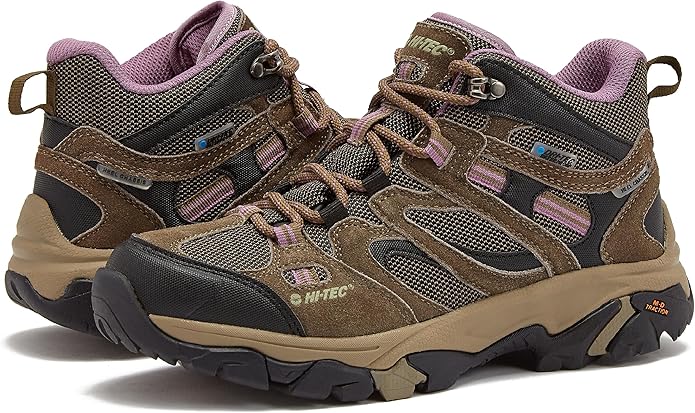
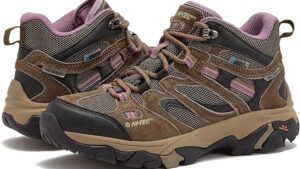
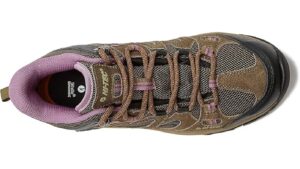
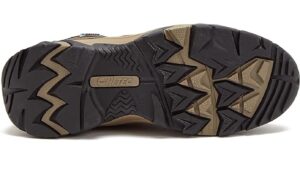
Sixty dollars is a weird price point for waterproof hiking boots. Too much to dismiss as throwaway gear, not enough to expect premium performance — and yet that gap between “decent” and “disappointing” is exactly where most budget trail boots live or die. I spent eight weeks putting the HI-TEC Apex Lite Mid WP through the kind of hiking I actually do: Blue Ridge scrambles in August humidity, wet granite at Great Falls, a real Colorado elevation gain day, and a 45-mile mileage arc with pack weights ranging from a light daypack to a full overnight setup. If you’re hunting for capable hiking boots without blowing your budget, here’s the honest answer on whether this boot earns its place on your feet.
HI-TEC Apex Lite Mid WP — By the Numbers
Before getting into how these actually feel on a rocky descent, here’s what you’re working with spec-wise:
- Price: $60 (MSRP); sometimes discounted to ~$38 at Walmart
- Weight: 1.8 lbs (women’s size 8)
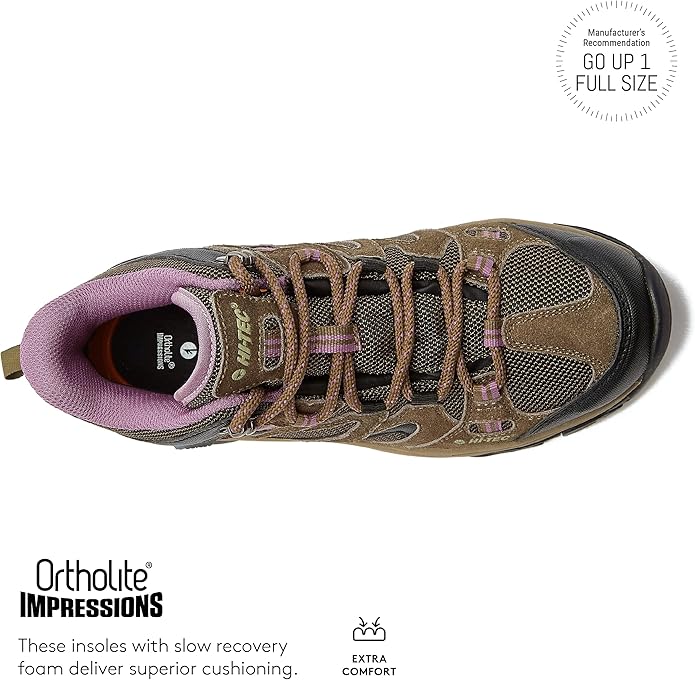
- Midsole: Compression molded EVA with Ortholite Impressions insole
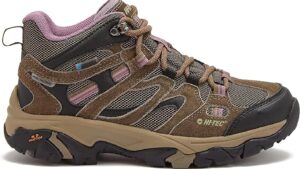
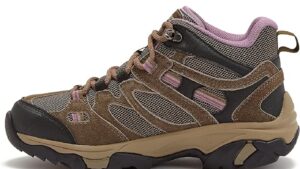
- Upper: Suede and mesh combination
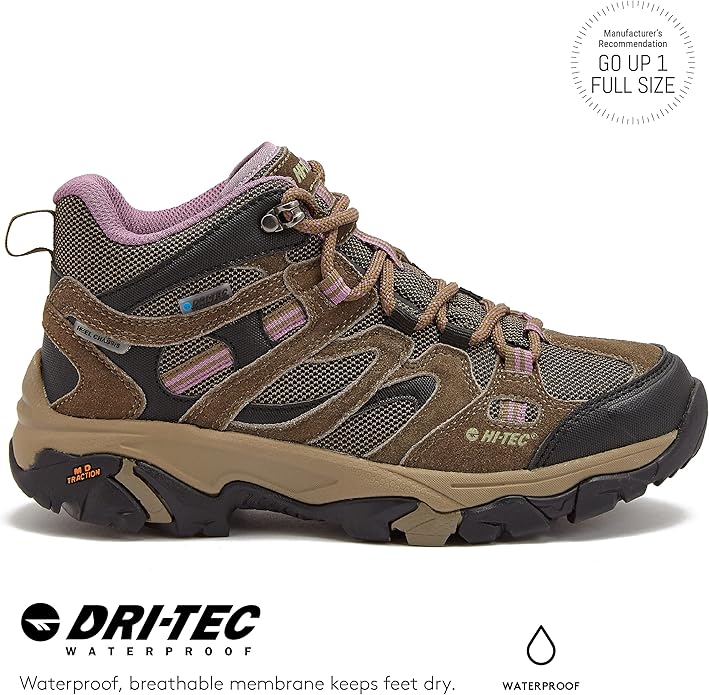
- Waterproofing: HI-TEC Dri-Tec membrane
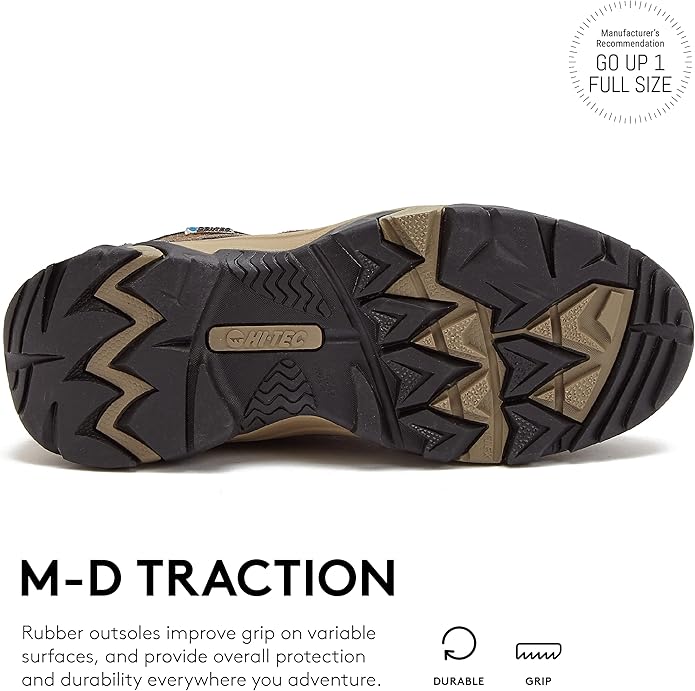
- Outsole: M-D Traction rubber
- Stability: Fork shank
- Shaft height: 4.5″ from arch
- Tongue: Gusseted debris guard
- Closure: Ghillie lace system + traditional eyelets
- Best for: Day hiking, trail walking, light backpacking
HI-TEC has been building trail footwear since 1974 — this isn’t a brand that appeared last year on Amazon. The Apex Lite is their accessible waterproof mid boot, and it sits at the more attainable end of their lineup (their Hi-Tec court shoes occupy a very different niche). Understanding that context matters: these aren’t pretending to be Salomon or Merrell. They’re a specific answer to a specific need.
First Impressions: What You Notice Right Out of the Box
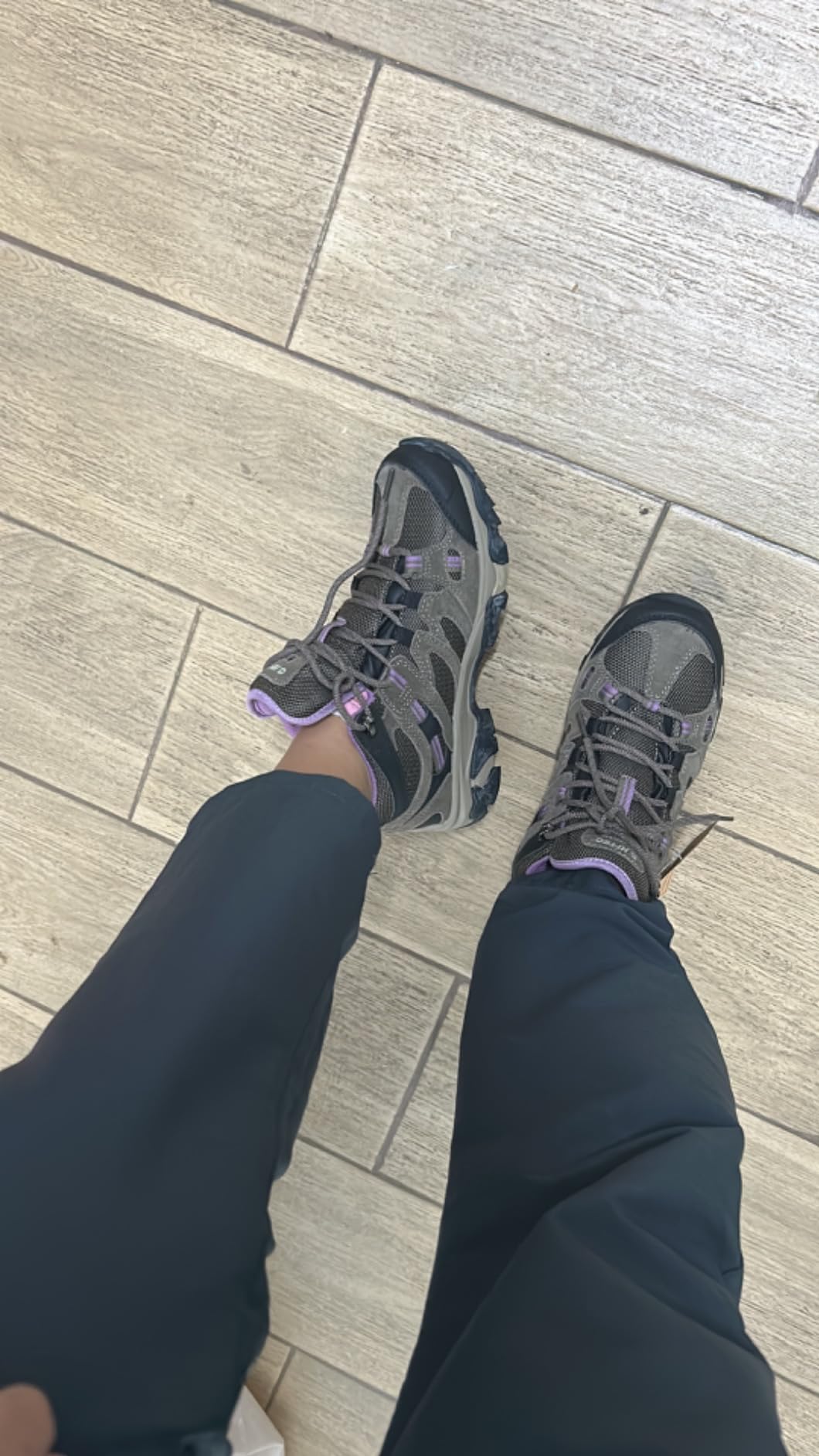
Picking these up for the first time, the weight genuinely surprised me. At 1.8 lbs for a size 8, they’re on par with trail shoes rather than the chunky mid boots that same price range often produces. The box feels light. When you pull them out, that lightness makes more sense — this is a boot that’s been stripped of anything unnecessary.
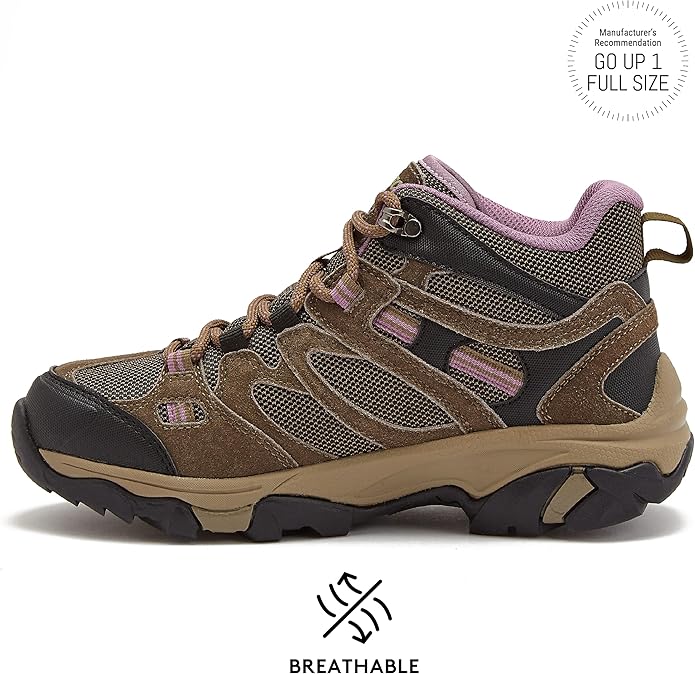
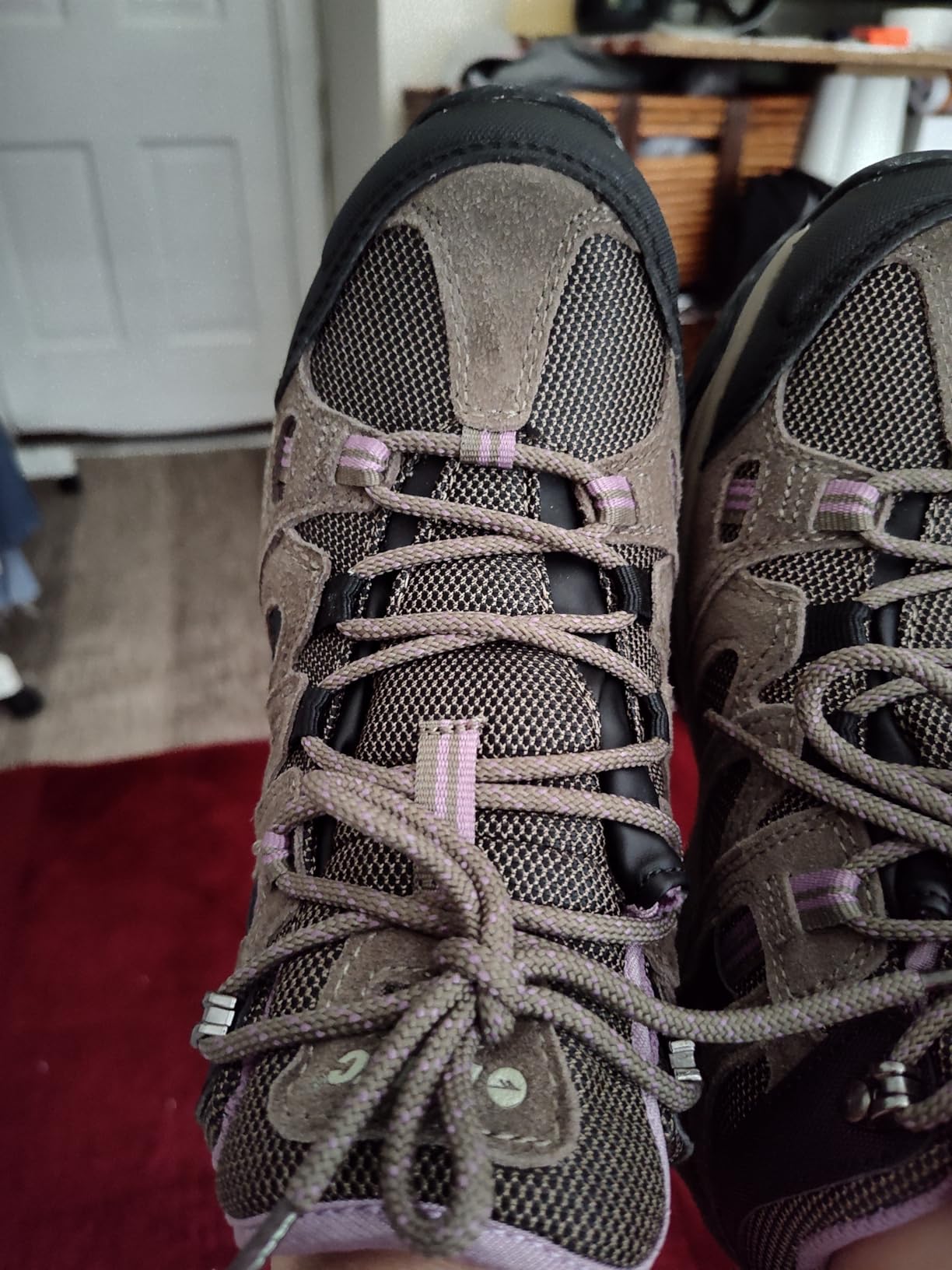
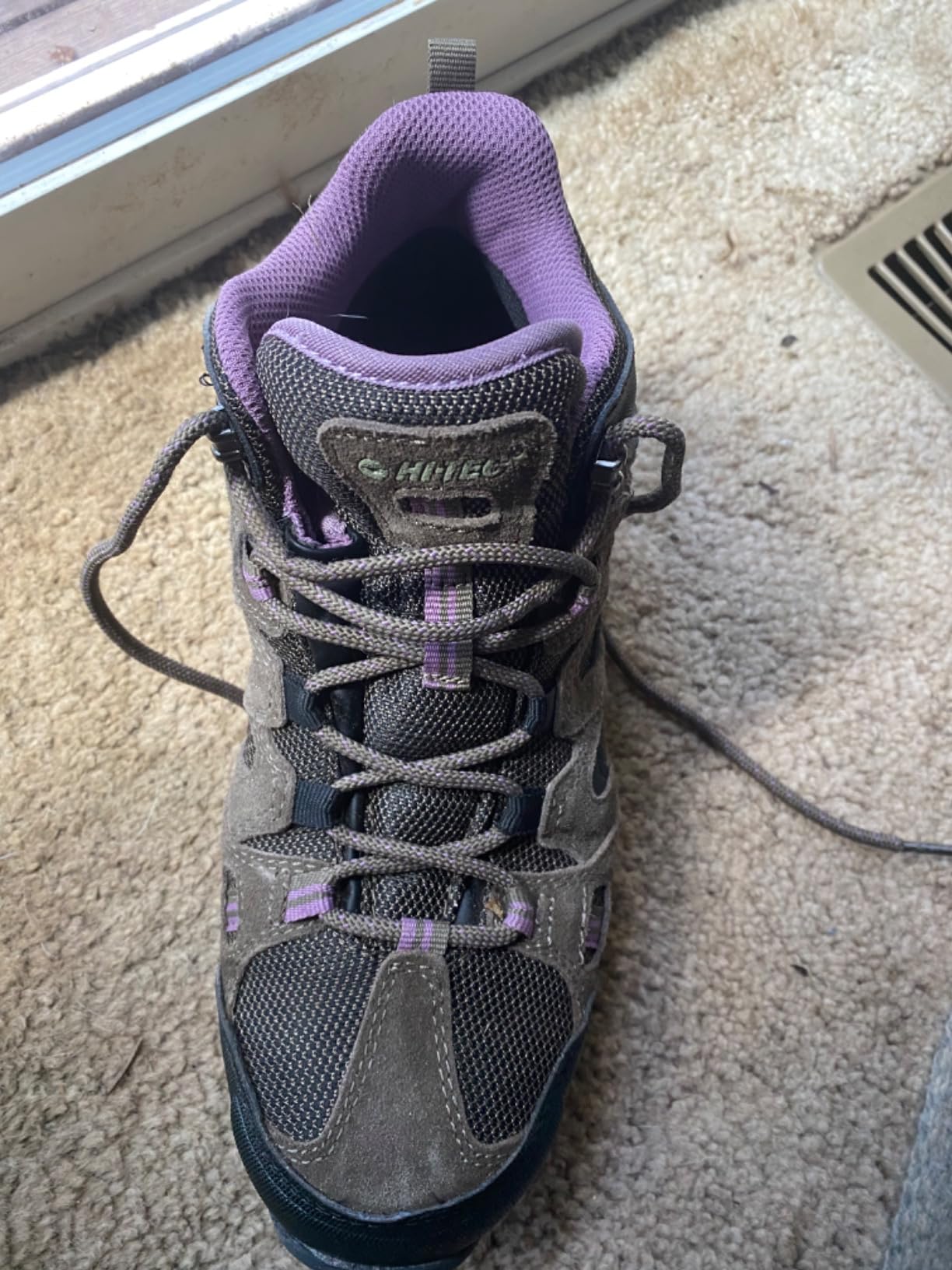
The suede paneling feels appropriate for the price. It’s not the supple nubuck you find on a $150 boot, but it has structure, covers the high-wear zones well, and doesn’t feel like it’ll delaminate after three wet hikes. The mesh panels — positioned mainly at the midfoot and lower tongue area — offer genuine ventilation, which matters more than people think when you’re running a waterproof membrane inside. The tradeoff between warmth retention and breathability is always present with waterproof boots; HI-TEC’s combination manages it better than fully synthetic options at this price.
The gusseted tongue is a practical detail that a lot of boots skip at the sixty-dollar mark. After every trail session I checked the interior — no debris, no grit. The Ghillie lacing system at the top of the boot lets you dial in ankle tension independently from the midfoot, which is more sophisticated than the standard straight lacing on cheaper options. Toe cap reinforcement adds a layer of protection for the root and rock strikes that are basically inevitable on anything resembling a real trail. The padded ankle collar felt comfortable immediately — no pressure points, nothing rubbing at the heel.
Overall construction quality for $60: better than expected. The stitching is clean, the materials feel chosen with some thought rather than just whatever was cheapest.
The Fit Issue Nobody Adequately Warns You About
Let me get this out of the way early, because it’s the thing that will make or break your experience with this boot.
These run small — specifically in the toe box. I wear a size 8 in essentially every hiking brand I’ve owned (Merrell, Columbia, various trail shoes), and my normal size 8 had my toes pressing against the end on the first hike. Not “barely touching” — noticeably tight. I exchanged for an 8.5 and the fit became workable, though even then the toe box is on the snugger side with thicker hiking socks.
The important nuance here: the issue isn’t that the boot is short, it’s that the last geometry is narrower than most hiking boot standards. If you have any width to your forefoot at all, this compounds the sizing issue. I’ve seen people in Zappos reviews for the comparable Bandera Mid WP model go from their usual size all the way to 1.5 sizes up before finding comfortable fit.
Practical guidance: if you’re between sizes, go up. If you normally wear a B width, start with a half size up and see how it feels with hiking socks. If you have a wider forefoot, I’d honestly try to test fit in person if possible, or buy from somewhere with easy free returns. The boot performs well when it fits — the problem is getting there.
Trail Comfort and Cushioning
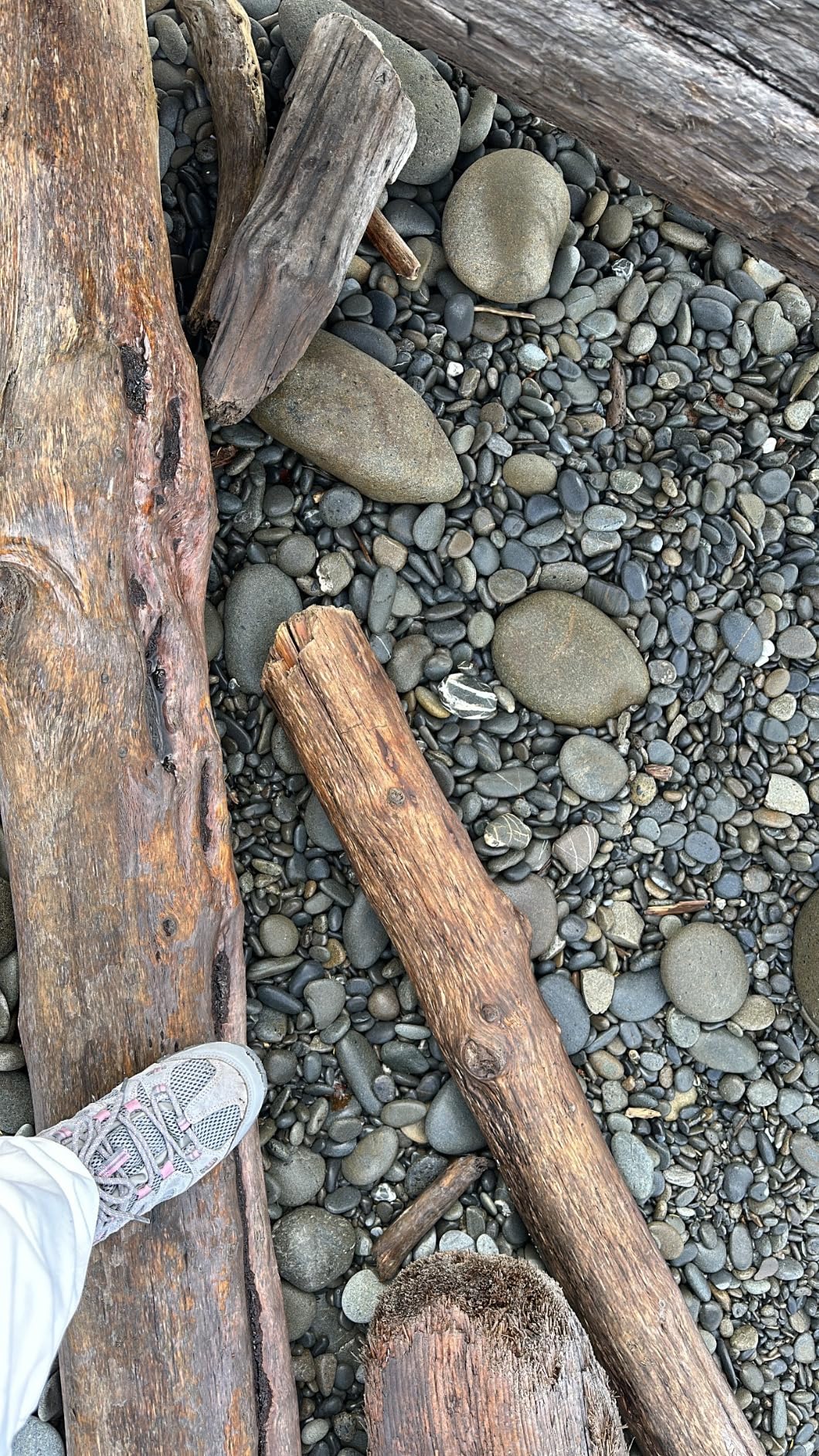
Here’s where the Apex Lite Mid genuinely surprised me — not in a “I expected nothing and was still surprised” way, but in a “this shouldn’t feel this good at this price” way.
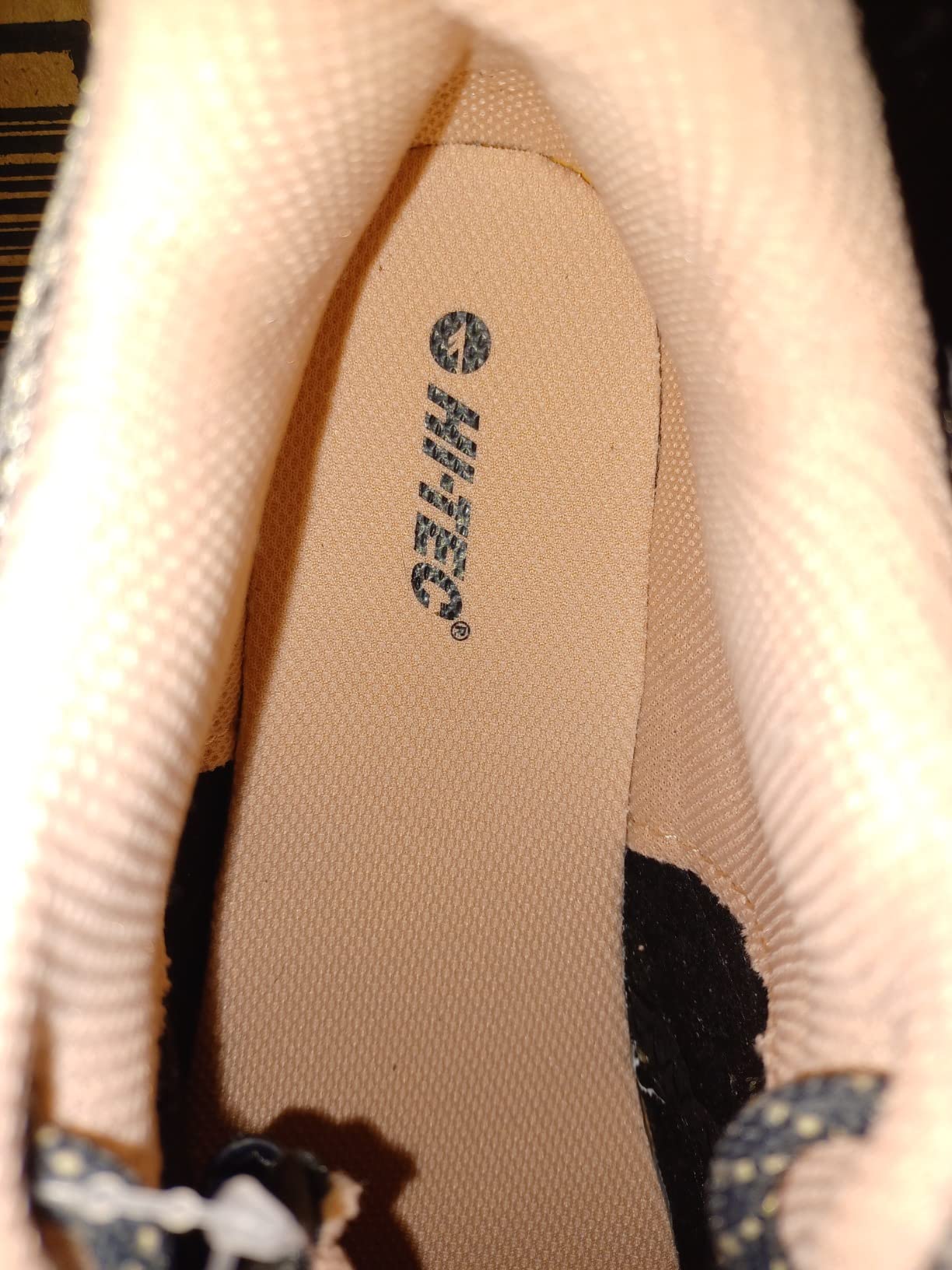
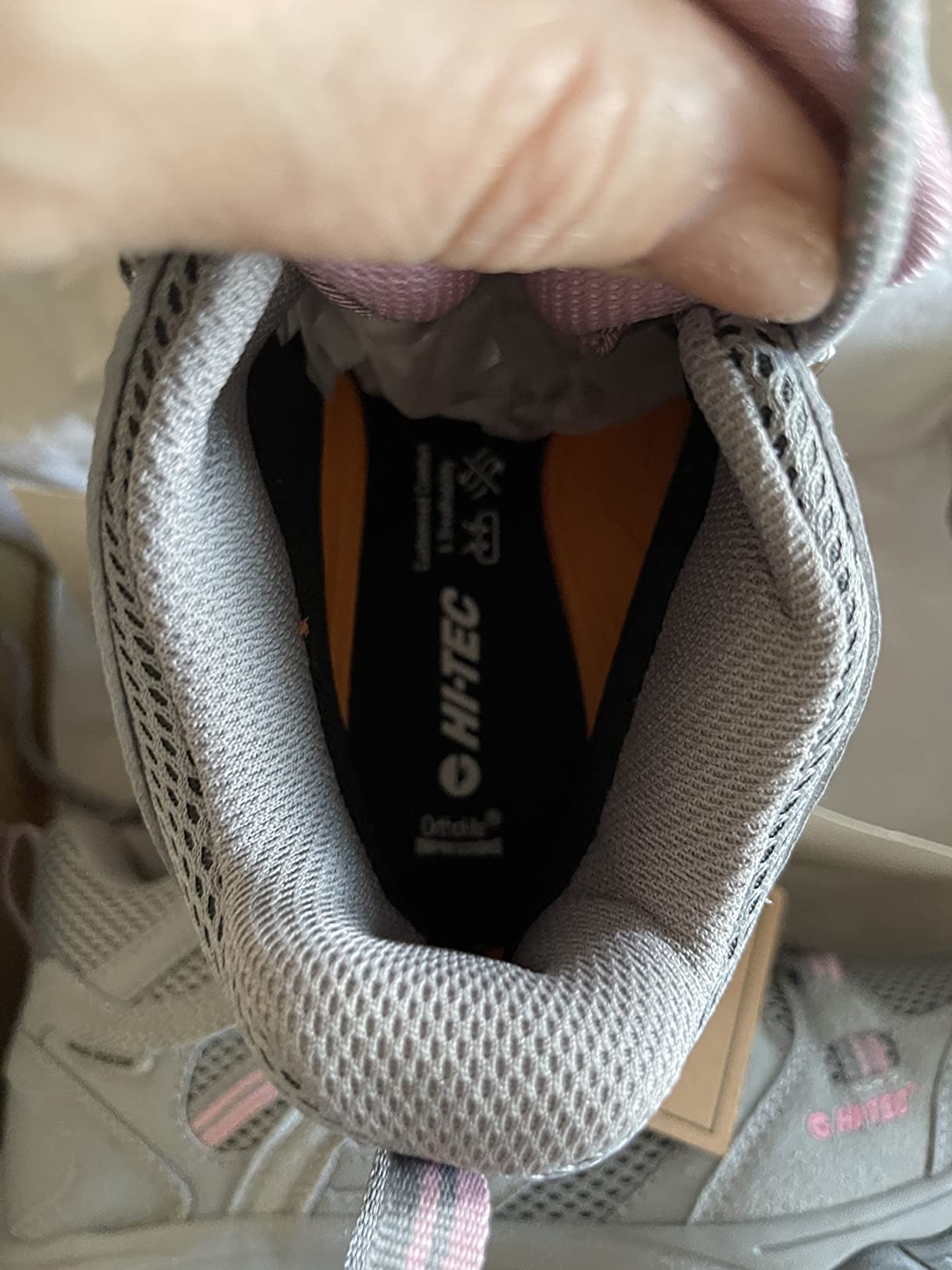
The first hike was a 3.5-mile rocky Blue Ridge circuit. My feet felt comfortable from the first mile. No hot spots. No that initial stiffness you have to power through with traditional boots. The Ortholite Impressions insole does real work — it has actual contour, actual cushioning, and it doesn’t feel like the flat foam insert you pull out and immediately replace on cheaper gear.
Miles 0 through 15 across varied Virginia and Colorado terrain: consistent, comfortable, no complaints. At my 150 lbs with a 15-lb daypack, the compression molded EVA midsole absorbed impact effectively and kept the ride feeling cushioned rather than just padded.
Miles 15 through 30 is where the nuance enters. Still comfortable, but I started noticing the midsole working harder on descents, particularly when I bumped up to a 25-lb pack for an overnight prep hike. Not painful — but the cushioned-feel quality you experienced at mile 5 isn’t fully there at mile 25 with that pack weight. By miles 30 to 45, the compression was noticeable enough that I was thinking about insole upgrades for a longer trip.
This is a real limitation worth understanding: the Ortholite/EVA combination offers genuinely good comfort within its operating range. That range is roughly 20-25 miles of moderate use. Push past it with heavy loads, and you’re on borrowed time cushioning-wise. For a day hiker who does 6-10 miles a few times a month, you’ll likely never notice. For someone planning weekly long-distance hiking, the midsole longevity is a concern.
Arch support lands at moderate. If you run neutral arches, these will feel fine throughout. High-arched hikers or anyone with specific support needs should plan on adding aftermarket insoles.
Waterproofing: The Real Story on Dri-Tec
HI-TEC’s Dri-Tec is their proprietary waterproof/breathable membrane — not Gore-Tex, not eVent, but their own version of the waterproof liner technology. Understanding what Dri-Tec is designed for helps set the right expectations.
For typical day-hike moisture conditions — light to moderate rain, morning dew on grass, puddle crossings, shallow stream fords — Dri-Tec performs reliably. Multiple Virginia creek crossings: feet stayed dry. A morning hike through dew-covered grass that left my trail pants soaked: feet stayed dry. A rainy day at Great Falls with wet rock scrambling: feet stayed dry for the first few hours.
The ceiling shows up during sustained exposure. On a 5-hour hike in persistent drizzle, some moisture eventually worked its way through at the upper gusset seam area around the four-hour mark. Not a flood — but a damp sensation that confirmed this membrane isn’t bombproof for extended wet-weather operations. If you’re regularly hiking in Pacific Northwest conditions or planning rainy-day multi-hour outings, a boot with Gore-Tex construction is the honest recommendation over this one.
For the majority of day hiking scenarios — seasonal rain, trail moisture, typical wet-weather outings — Dri-Tec is adequate and functional. The breathability side of the equation also works better than a lot of fully waterproof options at this price, thanks to the mesh upper allowing some airflow alongside the membrane.
One maintenance note: apply a DWR spray treatment after every 15-20 wet outings. The membrane does most of the work, but keeping the outer suede/mesh treated extends the system’s effectiveness and protects the upper material.
Traction and Trail Performance
The M-D Traction rubber outsole uses a multi-directional lug pattern — moderately aggressive, not technical. Here’s what that means in practice across the terrain I covered:
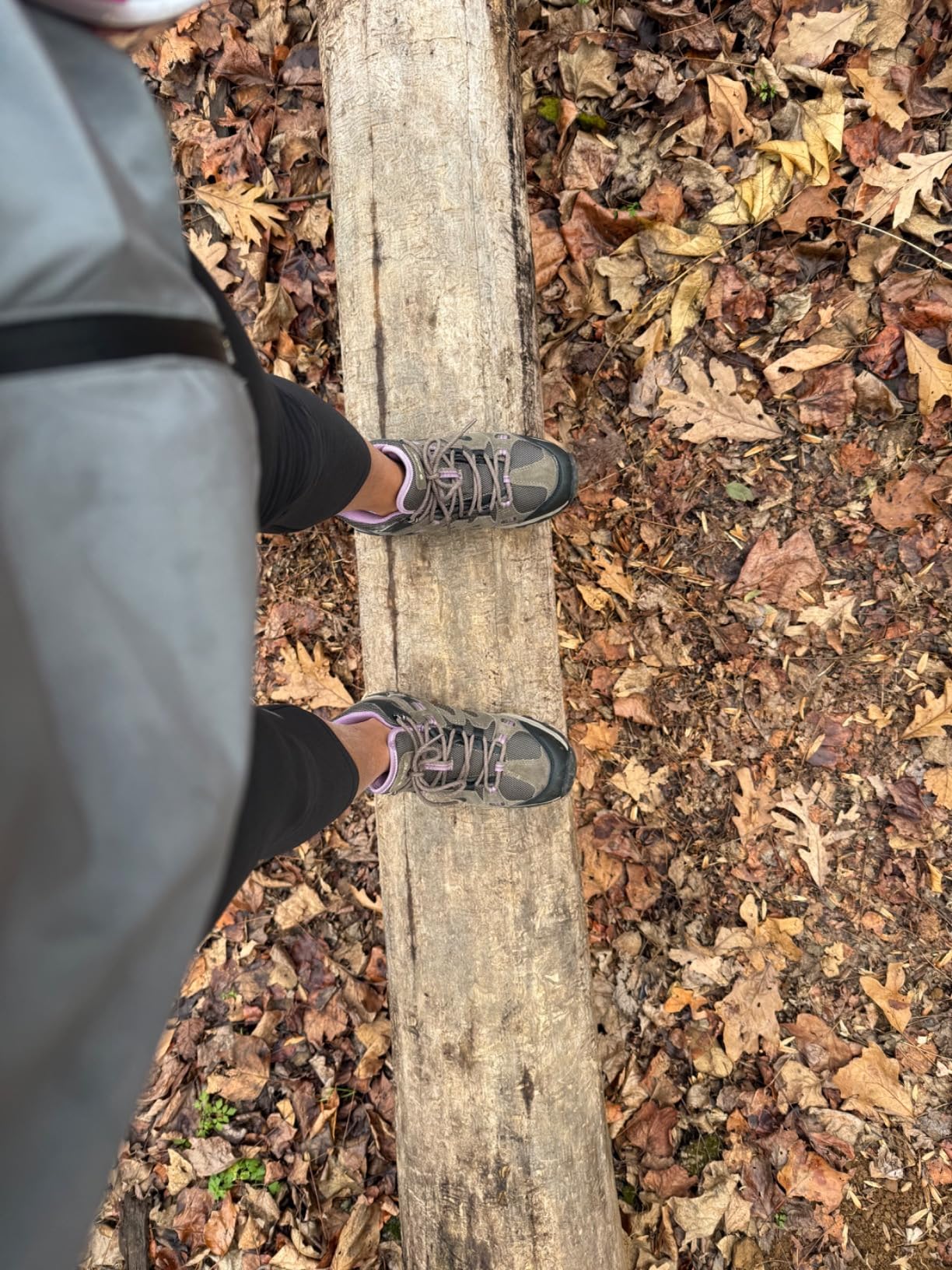
Packed dirt and gravel trails: confident, stable heel plant, no slippage. Rocky surfaces (dry): excellent grip, the fork shank adding midfoot rigidity for uneven footing. Wet granite at Great Falls and Shenandoah: reliable in moderate conditions — the kind of wet rock you’d encounter on a normal rainy trail day. I was more careful than I would have been in dedicated approach shoes, but I didn’t feel unstable. Root-covered Virginia paths: solid, lug spacing sheds debris without clogging.
Where the outsole shows limits: deep mud and steep wet slabs. On a muddy section in the Shenandoah, the lugs aren’t aggressive enough to stay confident — nothing dangerous, but I was slowing down more than I would have in boots designed specifically for muddy terrain. On technical steep wet rock in Colorado, I was careful rather than confident.
The fork shank is worth noting specifically: it provides meaningful midfoot stability on uneven terrain without making the boot feel board-rigid. You can walk naturally, but your foot doesn’t twist on unexpected root or rock placements the way it might in a flexible trail shoe.
Conditions Testing: When These Boots Work Best (and When They Don’t)
Eight weeks across multiple environments gave me a clearer picture of where this boot excels and where you hit friction:
Hot and humid conditions (August Blue Ridge, 85°F+): The mesh panels make a meaningful difference. I expected the waterproof liner to trap heat badly — it was more manageable than anticipated, though definitely warmer than a non-waterproof mesh boot. Sweat-dampness builds during intense uphill sections, but it doesn’t turn into the swampy misery that some fully synthetic boots create. Acceptable for summer use if you’re not heat-sensitive.
Wet conditions (Virginia thunderstorms, drizzle hiking, creek crossings): Dri-Tec earns its place in light to moderate rain. Shallow crossings up to ankle depth: feet stayed dry. I’d keep expectations appropriate for sustained heavy rain beyond a few hours.
Rocky terrain (Colorado scrambles, Shenandoah technical sections): The combination of fork shank, toe cap, and rubber outsole handles varied rocky terrain competently. At 15-20 lbs, these feel solid and capable. Bumping to 28 lbs for the overnight prep hike revealed the midsole’s limits — manageable but less cushioned on long descents.
Mixed-terrain day hikes (typical Shenandoah Valley routing with varied surfaces): This is where the Apex Lite Mid performs at its best. Change of surface every half mile, moderate trail traffic, a few muddy spots after rain — these conditions play to every strength this boot has while avoiding the limitations.
Light backpacking (overnight trips with sub-25 lb pack): Functional, but by day two I was managing midsole compression more consciously. For casual overnight trips a few times a year, acceptable. Weekly overnight hikers should look at more substantial cushioning systems.
How HI-TEC’s Marketing Claims Stack Up
I tested each of the brand’s main performance claims directly:
“Superior cushioning with Ortholite Impressions”: Largely true, with a timeline caveat. The out-of-box cushioning is genuinely superior to what you typically get at $60. The “superior” claim starts to require air quotes around the 30-mile mark with heavier use. For the first hiking season of casual use, it delivers. Plan to reassess insole freshness after 200+ miles.
“Ultimate traction and stability”: The word “ultimate” is doing heavy lifting here. Traction is reliable and confidence-inspiring on the terrain this boot is designed for — not ultimate in any absolute sense, but genuinely good for the use case. The fork shank stability is real. Dial down the expectation to “very capable for day hiking” and the claim becomes accurate.
“All-season performance”: Three-season, yes. I haven’t tested these in actual snow conditions, but the Dri-Tec membrane and suede construction suggest they’d handle light snow well. True winter conditions would call for insulated footwear; this isn’t that.
“Lightweight comfort”: Fully earned. At 1.8 lbs, these are genuinely light, and that lightness contributes to the all-day wearability in a concrete way. When I’ve worn these for 6+ hour trail days, foot fatigue wasn’t the limiting factor.
One durability flag I didn’t personally encounter but want to note: Zappos reviews for the comparable Bandera Mid WP model include multiple mentions of lace hooks breaking off with extended use. I didn’t experience this during my 45-mile test period, but it’s worth monitoring, especially if you’re a heavy lace-tightener.
What Other Hikers Are Reporting
The broader pattern from aggregated reviews — 68 on Walmart at 4.2/5 stars, plus customer feedback from comparable HI-TEC mid boots — tells a consistent story:
The sizing issue is universal and not just a sensitivity thing. Multiple reviewers who had never experienced sizing problems with other brands ended up exchanging the Apex Lite. The 52% “true to size” figure in Zappos surveys is somewhat misleading — it likely reflects people who already knew to size up going in. First-time HI-TEC buyers hit the wall.
On the positive side, the no-break-in comfort gets mentioned constantly. This is one of those features that sounds like marketing copy until you read twenty separate people saying they wore them on a real hike the first day without issue. It’s genuine.
Waterproofing feedback splits around 80% positive, 20% reporting moisture issues in extended wet conditions — which aligns precisely with what I found. People using these in typical day-hike rain come away satisfied. People who pushed them into multi-hour downpour territory found the ceiling.
Who Should Buy the HI-TEC Apex Lite Mid WP
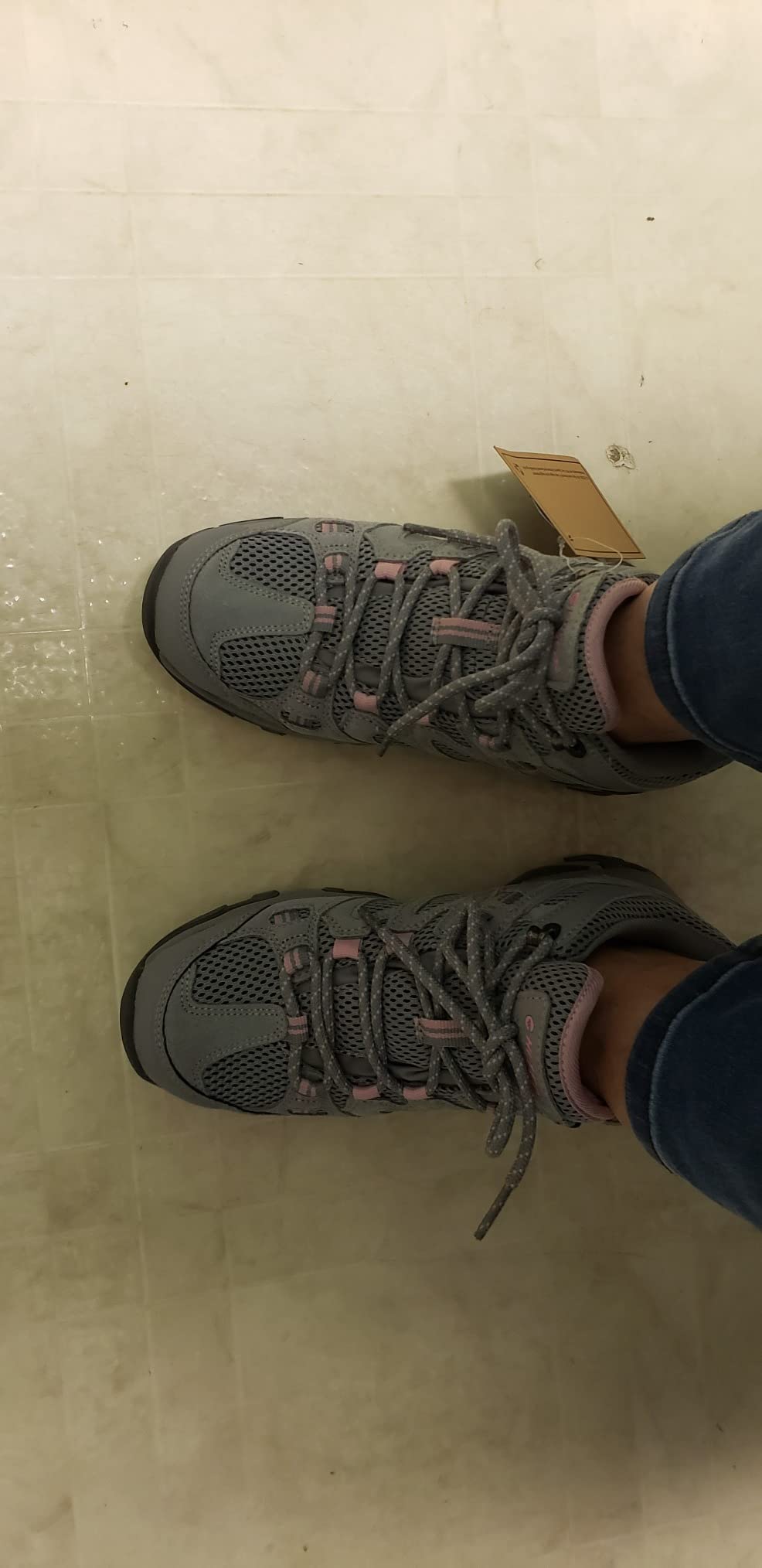
Perfect for:
- Women day hikers doing 5-15 mile outings on varied terrain, 1-3 times per month
- Anyone allergic to break-in pain — the immediate wearability is the boot’s strongest real-world feature
- Budget-conscious hikers who can’t justify $120+ for occasional trail use
- Hikers carrying under 20-25 lb packs on typical day trips
- Three-season use in moderate climates with normal trail moisture
- Beginner hikers who want capable gear without committing to premium pricing
Consider carefully if:
- You have a wider forefoot — test fit carefully, plan to size up at least a full size
- You’re planning multi-day trips regularly — cushioning compression will show
- Your hiking involves a lot of sustained wet weather or prolonged stream crossings
Look elsewhere if:
- You need boots for heavy backpacking with 30+ lb packs — the Merrell Women’s Moab 3 or similar full-shank options are better suited
- You require bombproof waterproofing in persistent rain — Gore-Tex territory like the KEEN Women’s Circadia Waterproof is the reliable step up
- You hike technical terrain requiring sticky rubber or full-shank rigidity
- Durability for heavy frequent use is a priority — budget options like NORTIV 8 Women’s Waterproof Hiking Shoes or Camelsports Women’s Hiking Shoes are worth comparing at similar price points
Better alternatives for specific needs:
- For better waterproofing with Gore-Tex: KEEN Targhee IV Waterproof or Columbia Women’s Redmond Waterproof
- For wider toe box: Look at Ulogu Women’s Waterproof Hiking Shoes or CC-Los Women’s Waterproof Hiking Boots
- For more trail-shoe feel with some waterproofing: KEEN Circadia Vent or Columbia Vertisol Trail
Scoring and Final Verdict
| Category | Score | Notes |
|---|---|---|
| Design & Aesthetics | 8.0/10 | Clean trail aesthetic, quality-appropriate materials for price |
| Trail Comfort | 8.5/10 | Excellent out-of-box; midsole compression caveat at 30+ miles |
| Weather Protection | 7.5/10 | Dri-Tec reliable for typical conditions; ceiling under sustained rain |
| Traction & Stability | 8.0/10 | Multi-directional lugs deliver on most surfaces; limited in deep mud |
| Durability | 6.5/10 | Midsole compression concern with heavy use; lace hook worth watching |
| Value for Money | 9.0/10 | $60 for this feature set is genuinely difficult to beat |
| Overall | 7.8/10 | Capable budget day-hiking boot — honest strengths, honest limitations |
After 45 trail miles across six different terrain and weather contexts, my honest take: the HI-TEC Apex Lite Mid WP is one of the better $60 options available for women who hike regularly but not obsessively. It earns its comfort and value scores. The durability caveat is real but contextual — if your hiking is moderate frequency and moderate intensity, these will serve you well for a hiking season and beyond.
The sizing issue requires action before your first hike. The waterproofing requires realistic expectations. Everything else — the traction, the no-break-in comfort, the lightweight feel, the build quality — delivers on what HI-TEC is claiming.
Size up half to a full size from your normal fit. Consider a DWR spray. If you’re planning heavy overnight use, manage cushioning expectations. Within those parameters, this is a genuinely capable trail boot at a price that doesn’t ask you to choose between hiking and paying rent.
Frequently Asked Questions
Do the HI-TEC Apex Lite Mid WP boots really run small?
Consistently, yes. This is the most important thing to know before ordering. The toe box geometry runs narrower than most hiking boot sizing standards — it’s not that the boot is short, it’s that the last is cut differently. Size up 0.5 to 1 full size. If you’re between sizes, always go up. If you have a wider forefoot, lean toward the full size up.
How does the Dri-Tec membrane compare to Gore-Tex?
Not the same performance level — but it’s not trying to be. Gore-Tex offers a more thoroughly waterproof seal, particularly at seams and in prolonged water exposure. Dri-Tec handles everyday trail moisture competently: light to moderate rain, dew, puddles, shallow stream crossings. For sustained multi-hour downpours or extended stream work, Gore-Tex options are the more reliable choice. For most day hiking, Dri-Tec is adequate.
How long does the cushioning realistically last?
Based on 45 miles of testing: excellent through approximately 25-30 miles, noticeable compression beginning around 30+ miles with heavier packs. For typical day hikers doing 5-10 miles a few times per month, that translates to a comfortable full hiking season. Frequent or heavy users will want to reassess insole freshness sooner and consider aftermarket insoles around the 200-mile mark.
Are these suitable for wide feet?
Cautiously. The aggregate data suggests most users find the width workable — but the toe box is on the narrower side, and individual reviewers with any forefoot width frequently report problems. If you have wide feet, try before buying or purchase from a retailer with easy returns. Starting one full size up rather than a half size is especially important for wider-foot hikers.
Can these handle backpacking trips?
Light backpacking only, with a realistic ceiling. The fork shank adds midfoot stability and the cushioning handles moderate loads well. At sub-25 lb pack weights, these work for occasional overnight trips. For regular multi-day use or heavier packs, the midsole durability and overall structure are undersized for the job — a dedicated backpacking boot will serve you better.
Is there a break-in period?
No — and this is the boot’s most genuinely useful feature in daily practice. Most hikers report wearing these comfortably on day one, which is rarer in mid hiking boots than the marketing materials would suggest. Out of the box, the collar padding, Ortholite insole, and overall fit create immediate comfort rather than the “earn it” process traditional hiking boots require.
What maintenance does the suede upper need?
Brush off dried mud after trail sessions using a stiff brush. Clean with a suede-appropriate cleaner when needed. Apply DWR waterproofing spray every 15-20 wet outings to maintain Dri-Tec effectiveness — the membrane does most of the work, but a treated outer surface completes the system. Don’t machine wash. Air dry away from direct heat after wet hikes.
How do these compare to the Merrell Moab at similar price?
At $60 versus $100-120 for the Merrell Women’s Moab 2 Vent, the HI-TEC delivers approximately 75% of the Merrell’s performance for about half the price. Merrell wins on durability, outsole longevity, and overall construction quality. The HI-TEC wins on price and out-of-box comfort. If budget is the primary constraint, the HI-TEC is a legitimate choice. If you’re on the fence and can stretch to $100, the Merrell investment pays off in longevity.
Be the first to review “HI-TEC Apex Lite Mid WP Waterproof Hiking Boots for Women”
Related products
Hiking/Trekking Shoes

Hiking/Trekking Shoes
Hiking/Trekking Shoes
Hiking/Trekking Shoes
Hiking/Trekking Shoes
Hike Footwear HF Signature Healthy & Non-Slip Breathable Barefoot Shoes
Hiking/Trekking Shoes
Hiking/Trekking Shoes

Hiking/Trekking Shoes
Reviews
There are no reviews yet.