
The shoes that finally fixed my forward lean cost thirty-five dollars and came in lemon yellow. Sarah here — and if you’d told me three months ago that a pair of velcro-strap gym shoes from a brand I’d never heard of would change how I deadlift, I’d have been skeptical. But there I was at 11pm, Amazon deal timer ticking down, and I figured the worst-case scenario was returning them. I ended up testing them across 8 weeks, 24 sessions, and 36 hours of actual lifting — here’s the unfiltered version of what happened.
Quick Specs
- 💰 Price: $34.99
- ⚖️ Weight: 220–226g (~7.8–8.0 oz) depending on color/size variant
- 📏 Heel-to-toe drop: 0mm
- 📐 Stack height: ~4mm rubber sole
- 🧪 Upper: Breathable mesh fabric
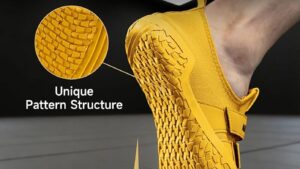
- 👟 Sole: Rubber, textured grip pattern
- 🎯 Best for: Deadlifts, squats, functional training
- 📐 Sizes: US 6.5–13
- 🎨 Colors: 9 options (Lemon Yellow, Obsidian Black, Deep Red, Sapphire Blue, Beige, Rubber White, Gradient Red, Forest Green, Panda Color)
- ⏱️ Tested: 8 weeks, 24 sessions, 36 hours
Design and Build: Lighter Than They Look
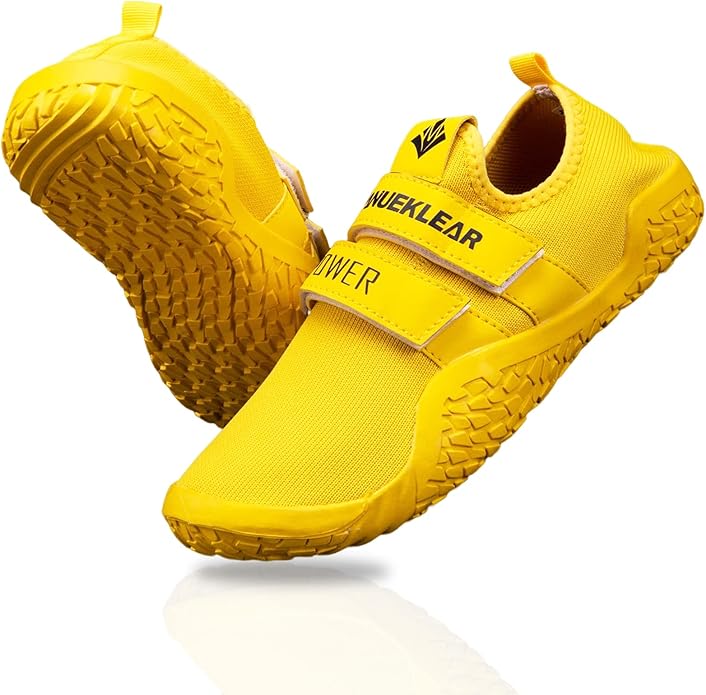
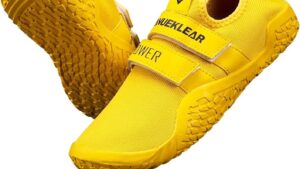
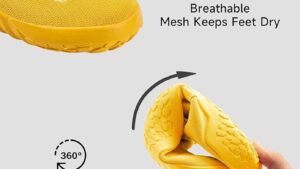
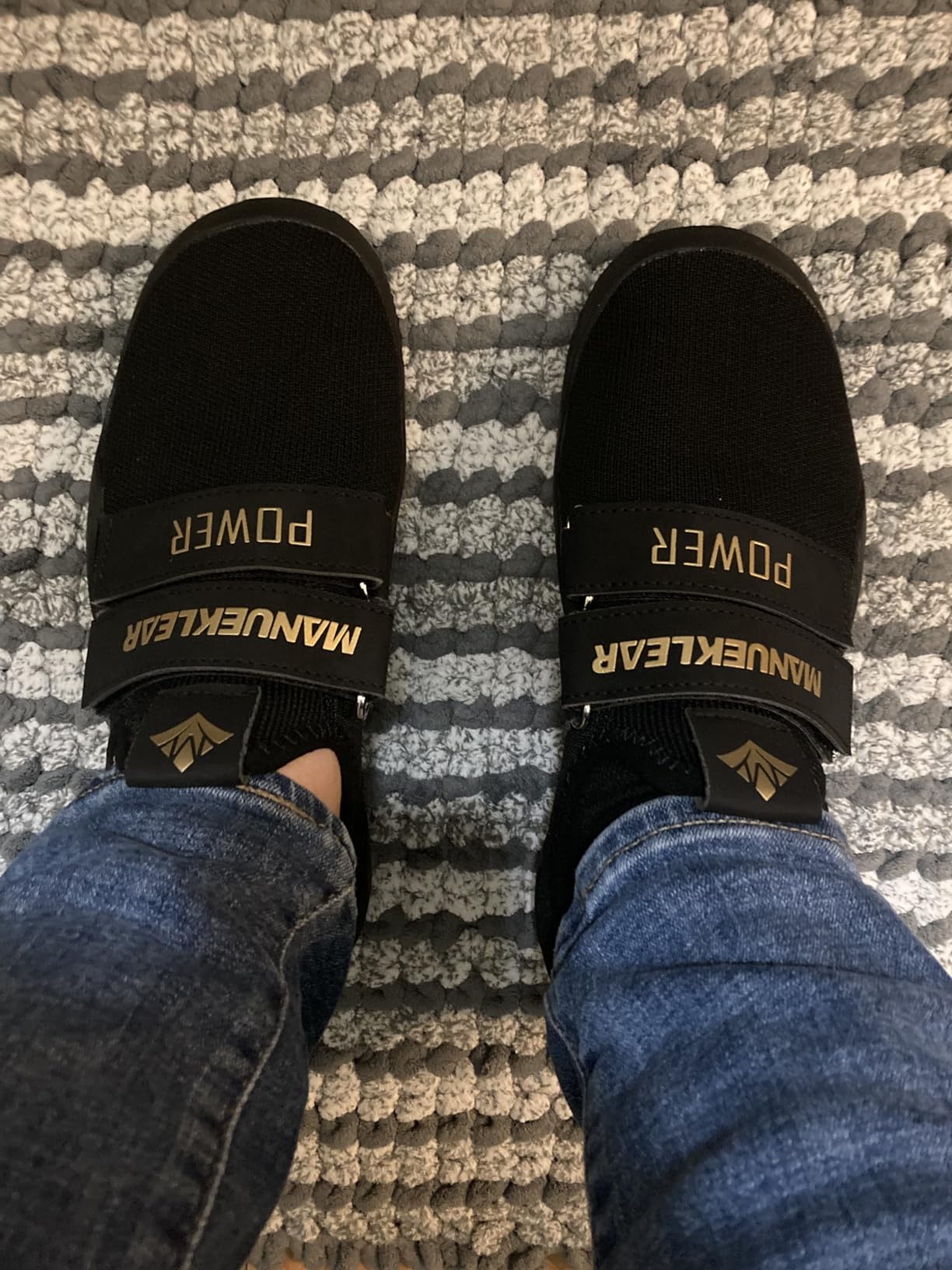
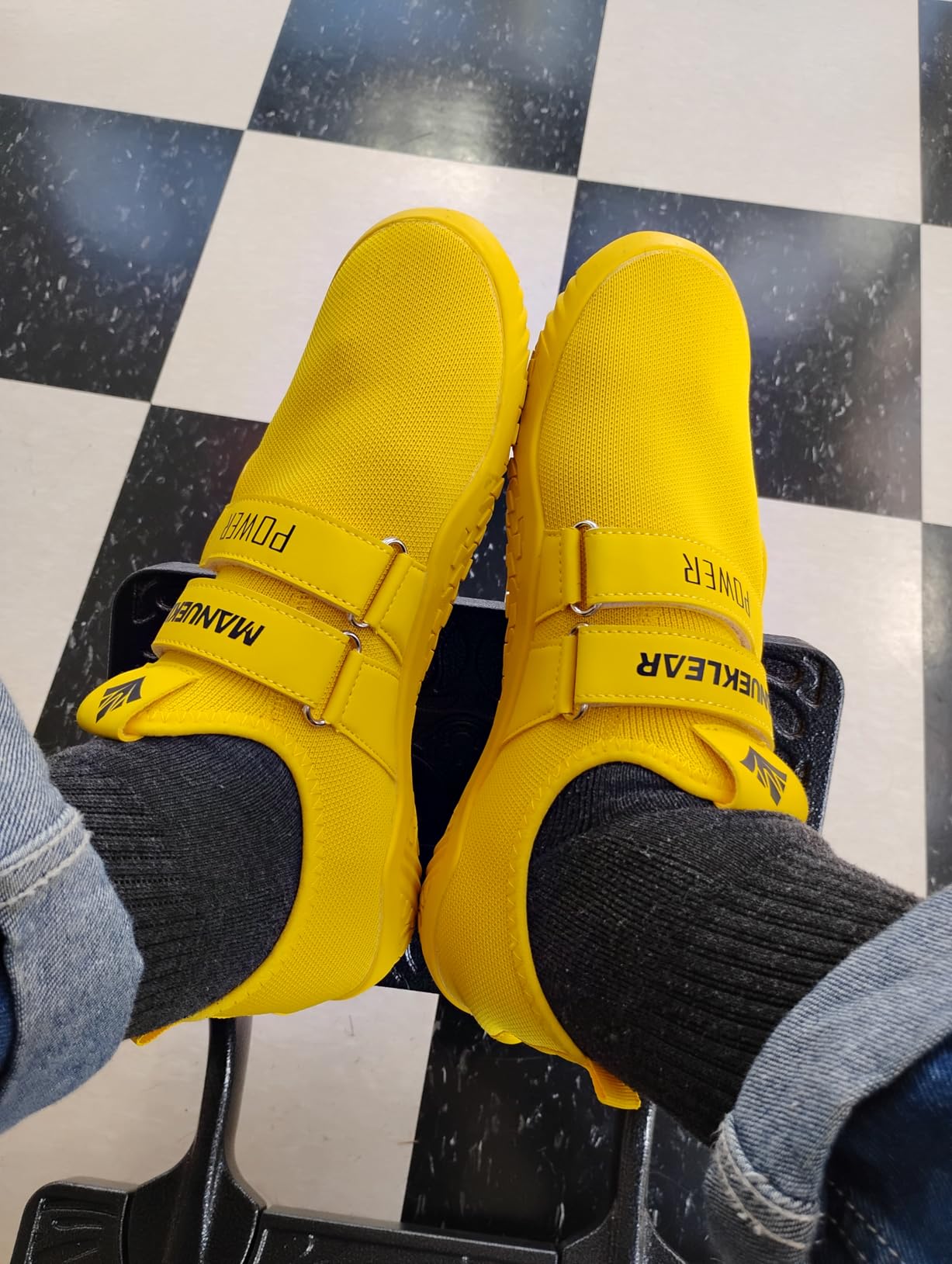
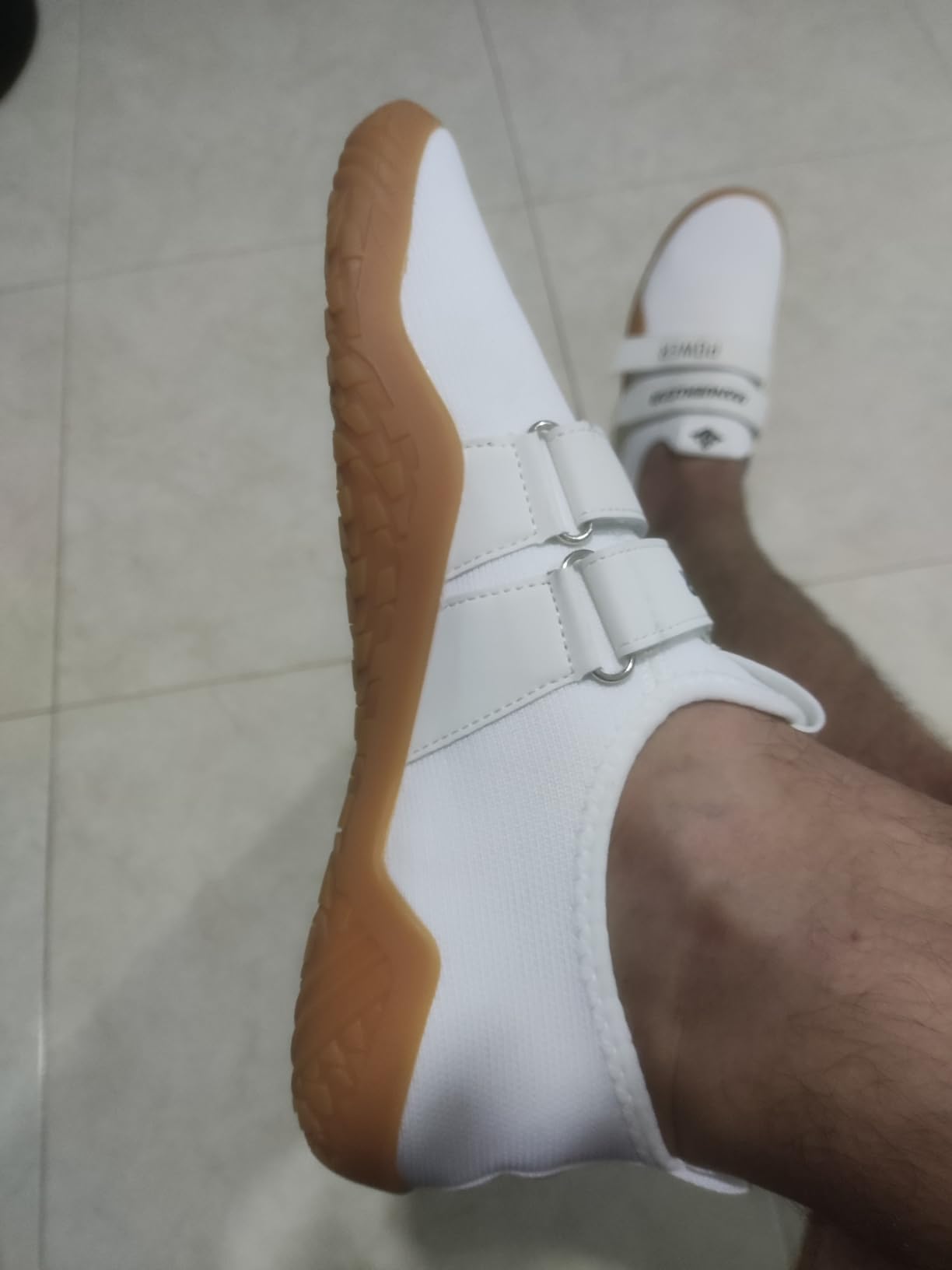
Pull these out of the box and your first thought is probably: these can’t be real gym shoes. The mesh upper has a soft, almost stretchy quality — less like athletic footwear, more like a technical running sock with a rubber sole attached. They fold in half. They pack flat into a gym bag pocket. The lemon yellow colorway I tested is aggressive in the best possible gym-motivational way, though I completely understand if you’re reaching for the obsidian black instead.
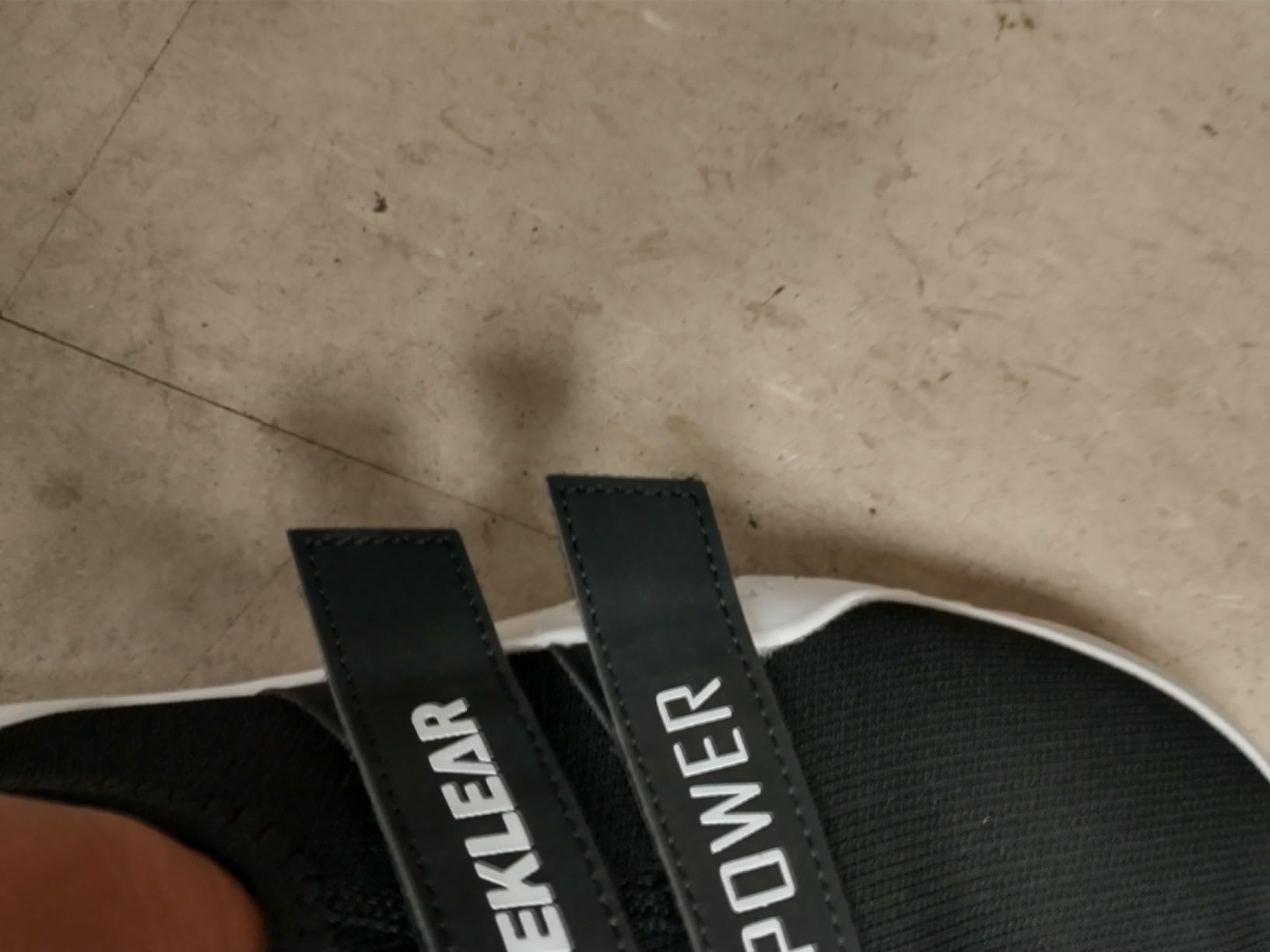
The double velcro strap is the design decision that actually matters. After years of re-tying laces between heavy sets — or worse, discovering mid-squat that one had come undone — getting a shoe that stays exactly where you set it is genuinely freeing. You adjust the straps once during your warmup, and they hold through your entire session. The heel pad adds enough structure to keep the shoe from feeling floppy on your foot, while the wide toe box gives your foot room to flatten and spread during the setup of a lift. Neither element feels like an afterthought.
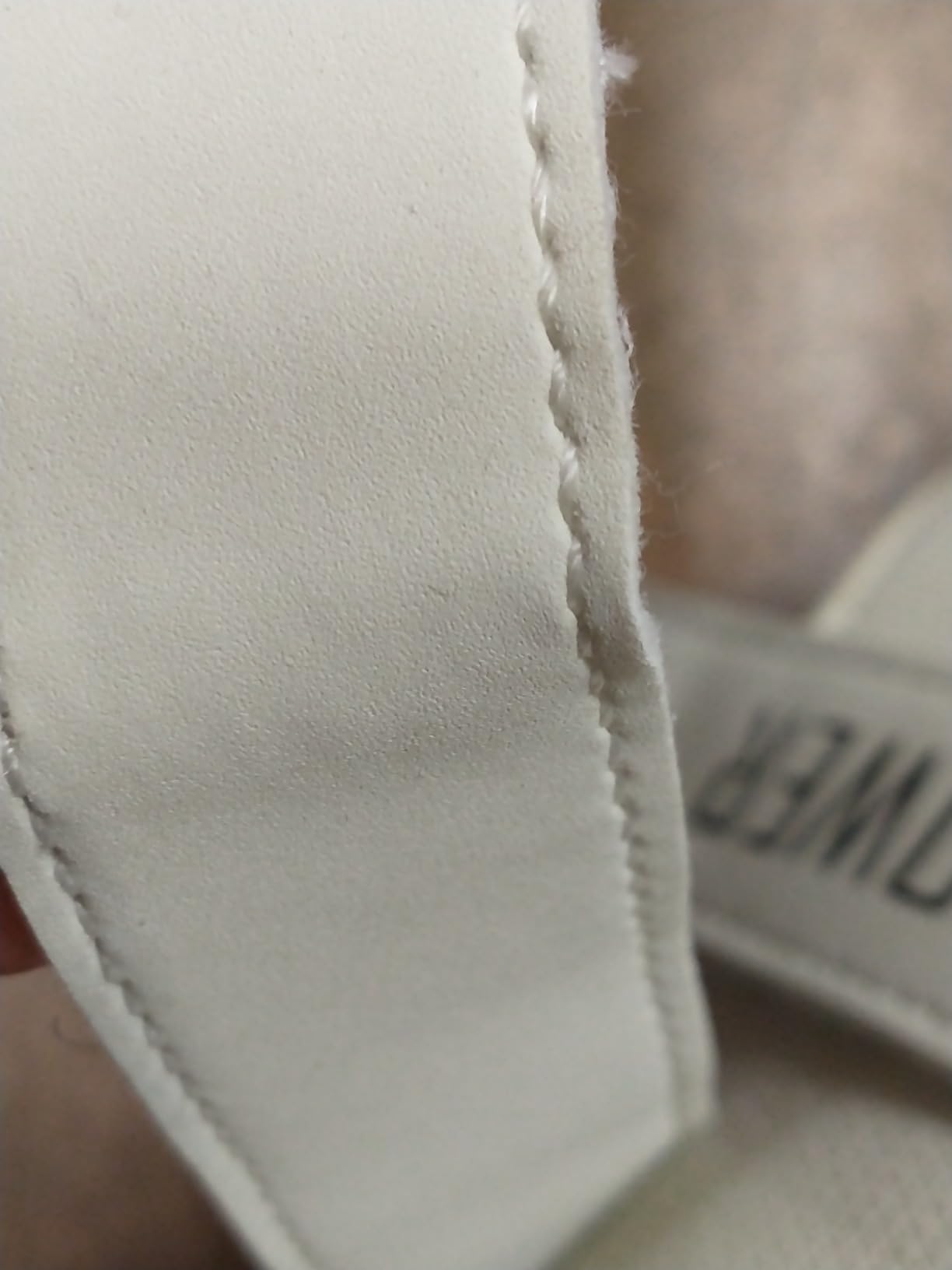
Build quality at 8 weeks: the velcro holds firmly, the mesh shows no tearing or delamination, and the rubber sole looks nearly identical to day one. That said, 8 weeks isn’t a lifetime durability test — I’d be cautious about assuming they’ll perform the same at the 12-month mark.
Fit and Sizing: Navigate the Inconsistency
Here’s the one area where you should genuinely read before clicking “buy.” Sizing isn’t perfectly consistent across units — a fact that shows up in Amazon reviews more than anywhere else. Some buyers report their labeled size ran large; others small. MANUEKLEAR’s product page has a size chart, but it’s an image rather than a text-based guide, so you can’t search it.
What I’d recommend based on testing and aggregated buyer feedback:
- Narrow feet: Standard size or consider going half a size down
- Standard width: True to size for most
- Wide feet: Size up 0.5 — the wide toe box helps, but the sizing gap does exist
- High arches: Worth trying with the return policy as your safety net; the minimal arch support design may feel constraining
- Flat feet: Generally excellent fit — the zero-drop design lets your foot function naturally without forcing a raised arch
The mesh upper has minimal stretch, so there’s no “breaking in” in the traditional sense. What does change over the first few sessions is proprioceptive familiarity — your foot and ankle learning where they are relative to the floor. That’s not the shoe, that’s you adapting to a genuinely different type of footwear.
Ground Connection: The Feature That Actually Earns the Price
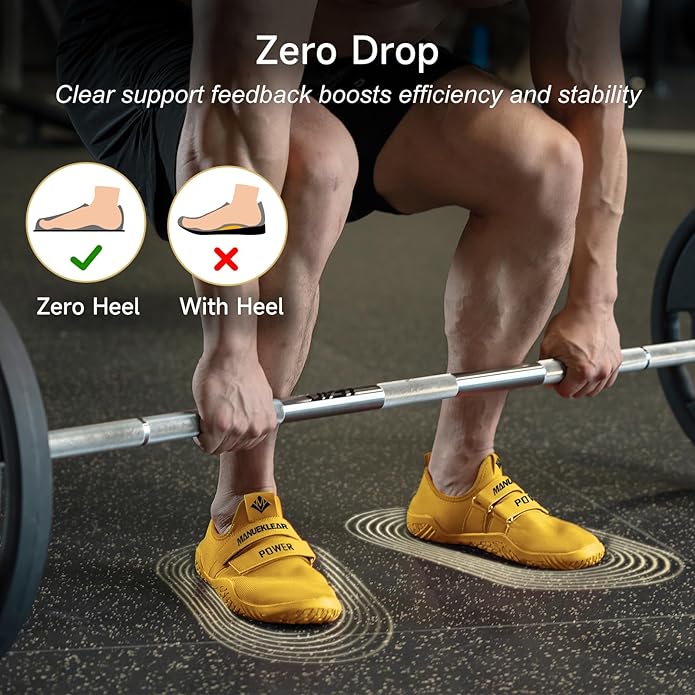
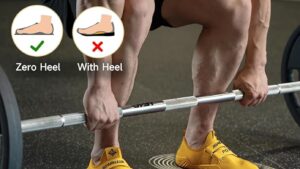
My first deadlift session in these shoes, coming from my usual cushioned cross-trainers, was disorienting in a way I wasn’t prepared for. I could feel the texture of the rubber gym mat through the sole — not unpleasantly, but as information I wasn’t used to receiving. The 0mm drop means your heel and forefoot are on the same plane, which changes everything about how force moves through your lower body during a pull.
Week one was an adjustment period. I felt slightly off-balance, like the floor was closer than expected. By week three, that sensation had flipped — the cushioned cross-trainers felt like standing on a mattress by comparison. The MANUEKLEAR shoes just felt like standing.
The stability impact on my deadlifts was measurable. The forward lean I’d been fighting for months — the kind that comes from heel elevation shifting your weight forward — disappeared. I pulled a 185-pound personal best during week five and felt completely planted for the entire rep. The wide toe box gave my foot room to press flat into the floor during the setup, which is exactly what the lift requires.
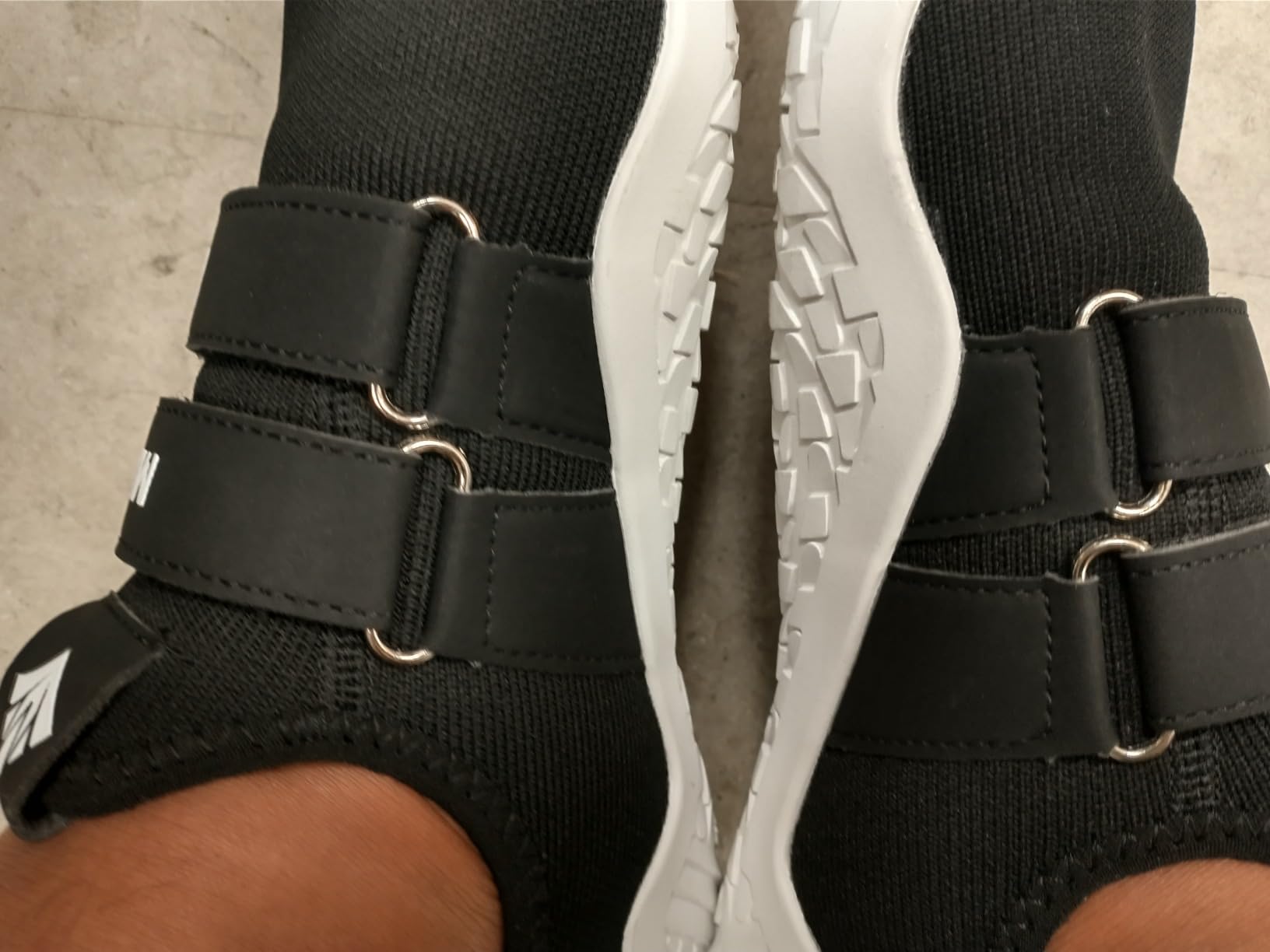
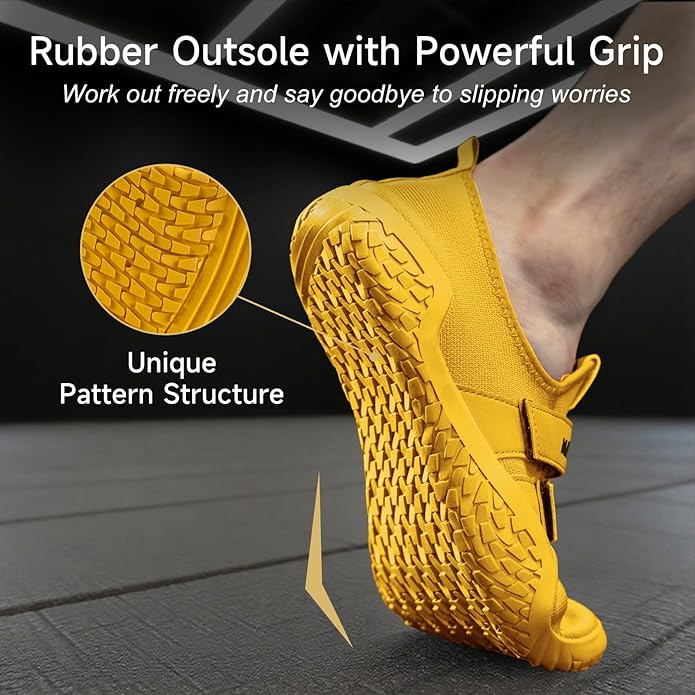
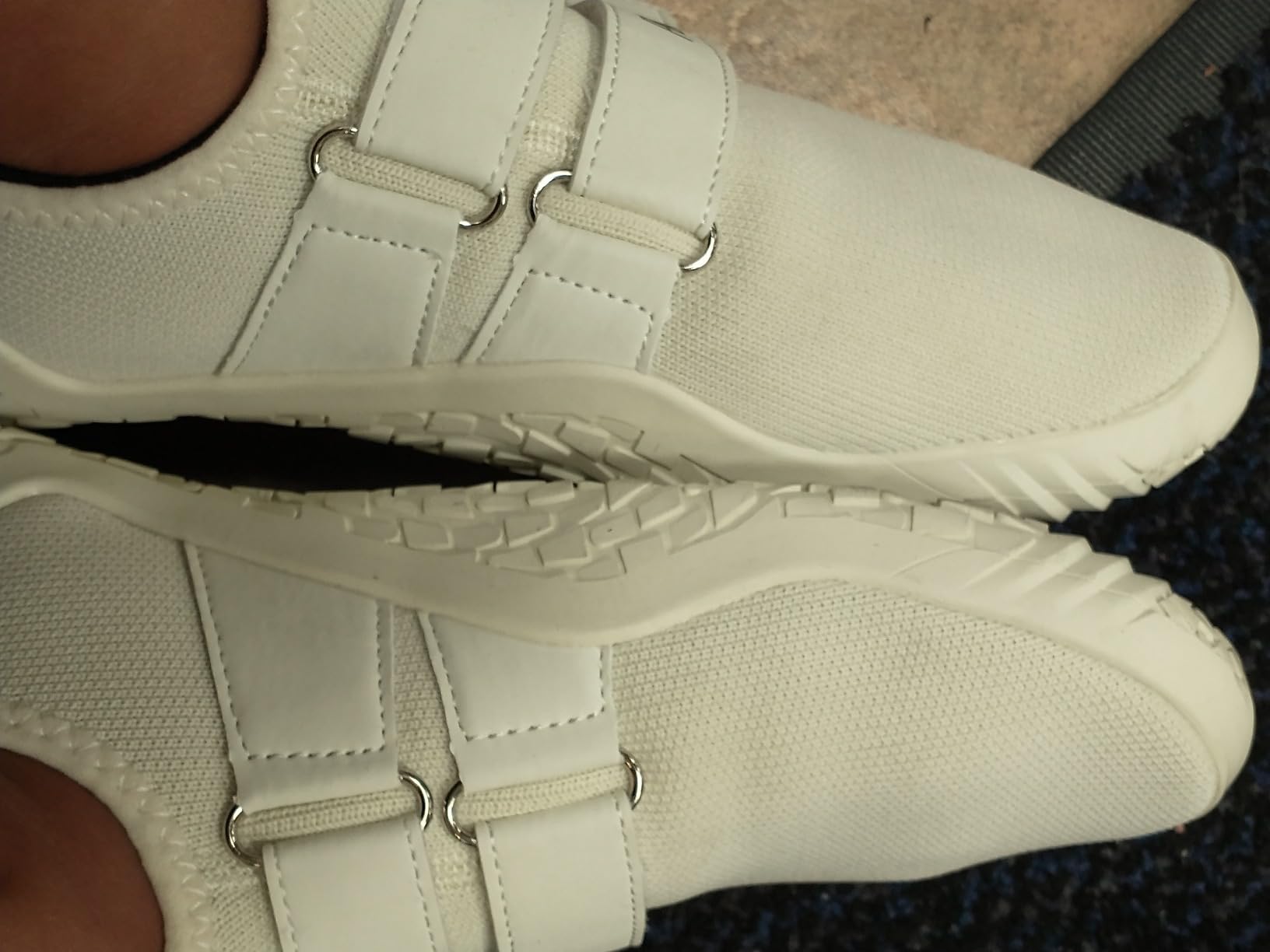
The 4mm rubber sole confirms what the zero-drop design promises: you’re as close to the floor as you can get while still having protection and traction. Other barefoot-style options like the Airhas Barefoot Zero Drop or the MIFAWA Barefoot Shoes offer a similar concept at comparable price points — but where the MANUEKLEAR specifically excels is in the deadlift context: the rubber sole grips gym flooring without any slippage, and the velcro keeps your foot from shifting inside the shoe during the pull.
Gym Floor Performance: Where It Shines and Where It Doesn’t
Over 8 weeks across two training environments, the performance picture became fairly clear:
Deadlifts (9.2/10): This is the shoe’s home. Stable platform, no heel elevation to fight, rubber grip that held on both carpet (home gym) and rubber flooring (commercial gym). The pull feels different — more connected, more mechanically efficient.
Squats (8.8/10): Similar story. The wide toe box accommodated natural foot flare during the squat setup, and the flat sole kept weight centered rather than drifting forward. Romanian deadlifts and overhead press followed the same pattern — any bilateral compound movement that benefits from a stable, flat base worked well.
Functional training: Kettlebell swings felt solid. Deadlift variations, floor press, step-ups — all fine. The shoe performed without calling attention to itself, which is the goal.
Where it gets complicated: Box jumps and lateral movements. I noticed during circuits involving side-to-side agility that I wanted more structure around my ankle. The 4mm sole means every jump landing is felt — not in a painful way, but as impact that a cross-trainer’s cushioning would absorb. For pure strength training, this isn’t a problem. For circuits mixing lifting with cardio, it’s a limitation you’ll feel.
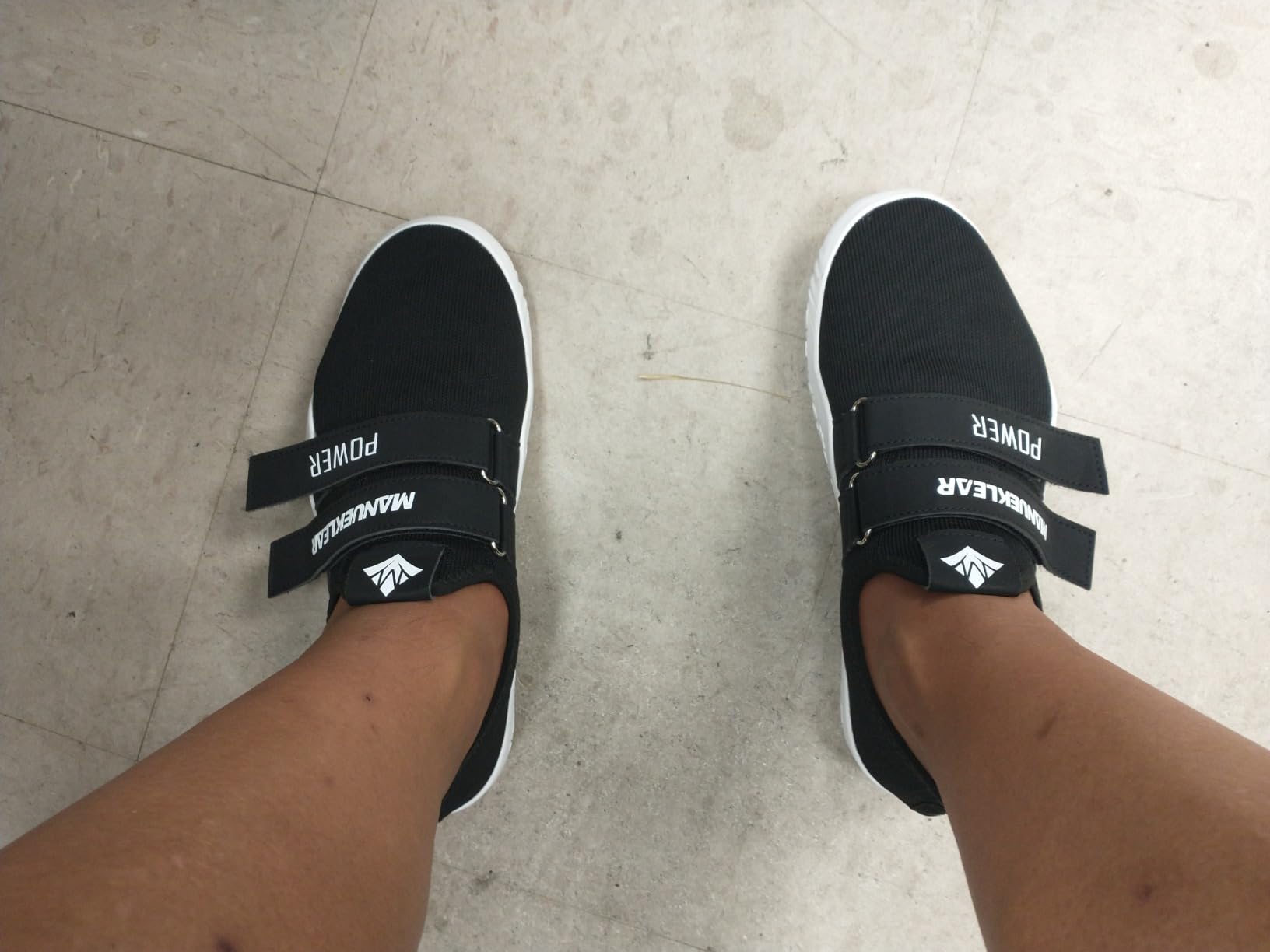
Temperature and breathability held up during 75-minute sessions. Moisture accumulated during high-intensity work, but the mesh dried quickly between uses. Going sockless worked for shorter sessions; past 30–40 minutes, I found thin athletic socks more comfortable.
What These Shoes Are Not
I want to be clear about the scope here because the marketing doesn’t always draw this line.
These are not all-purpose gym shoes. They’re specialized for deadlifts, squats, and bilateral strength movements. Running in them would be uncomfortable. Extended walking puts more demand on your foot than the minimal sole is designed to handle. Cardio intervals involving lateral cuts or extended impact will highlight the cushioning gap compared to a proper cross-training shoe.
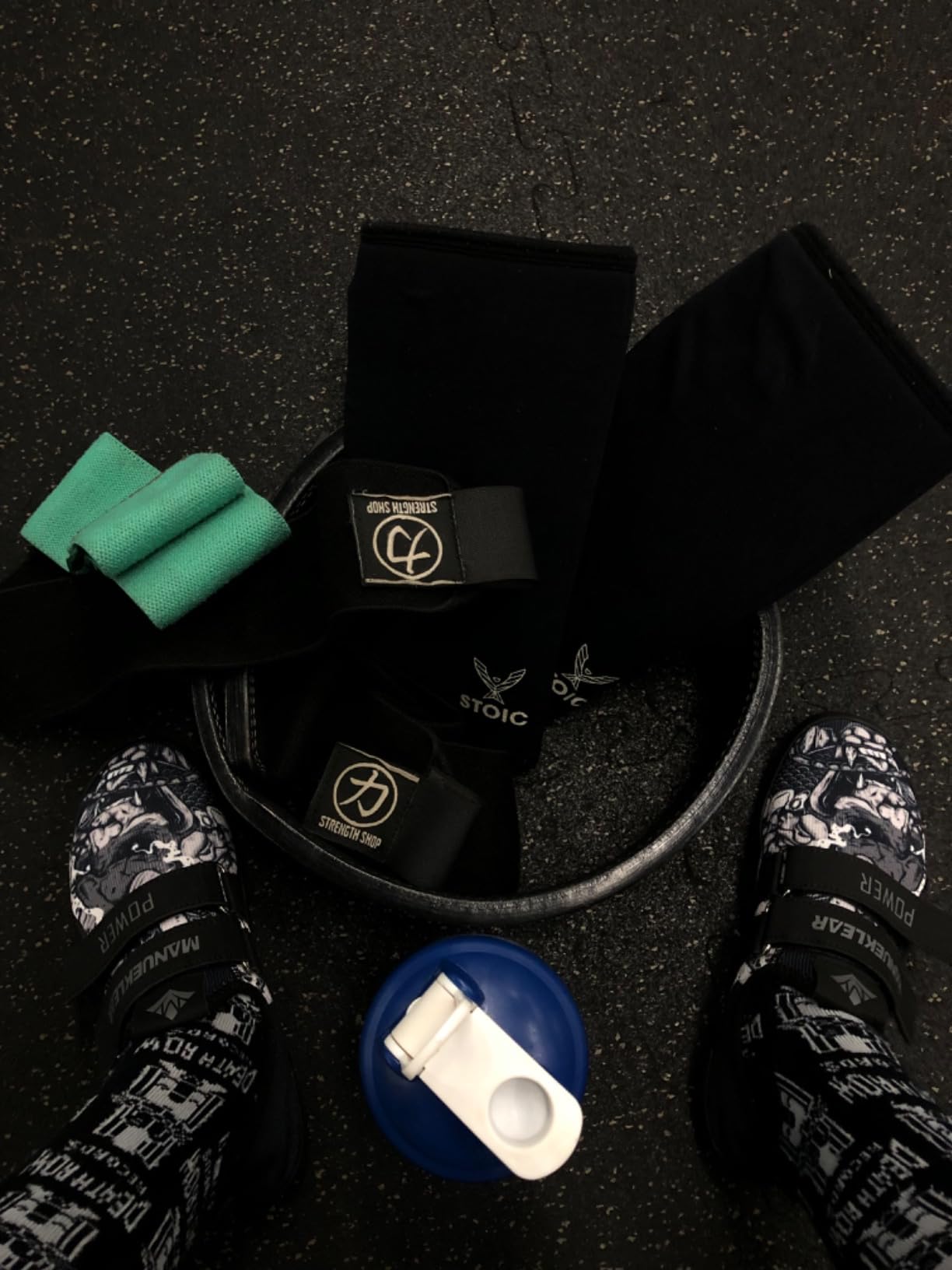
If you lift and then immediately go to a treadmill in the same session, you’ll want to bring a second pair. The MANUEKLEAR shoes function as a specialist, not a generalist. For people who primarily lift weights, that’s a reasonable tradeoff. For someone who needs one shoe for everything, a versatile cross-trainer like the Reebok Nano X3 or a Nike Metcon 9 would serve them better despite the higher price.
High arch users may also find the absence of arch structure uncomfortable over longer sessions. The zero-drop philosophy works beautifully for neutral and flat-footed users; it’s more demanding for feet that expect structural support.
Marketing Claims vs. Reality
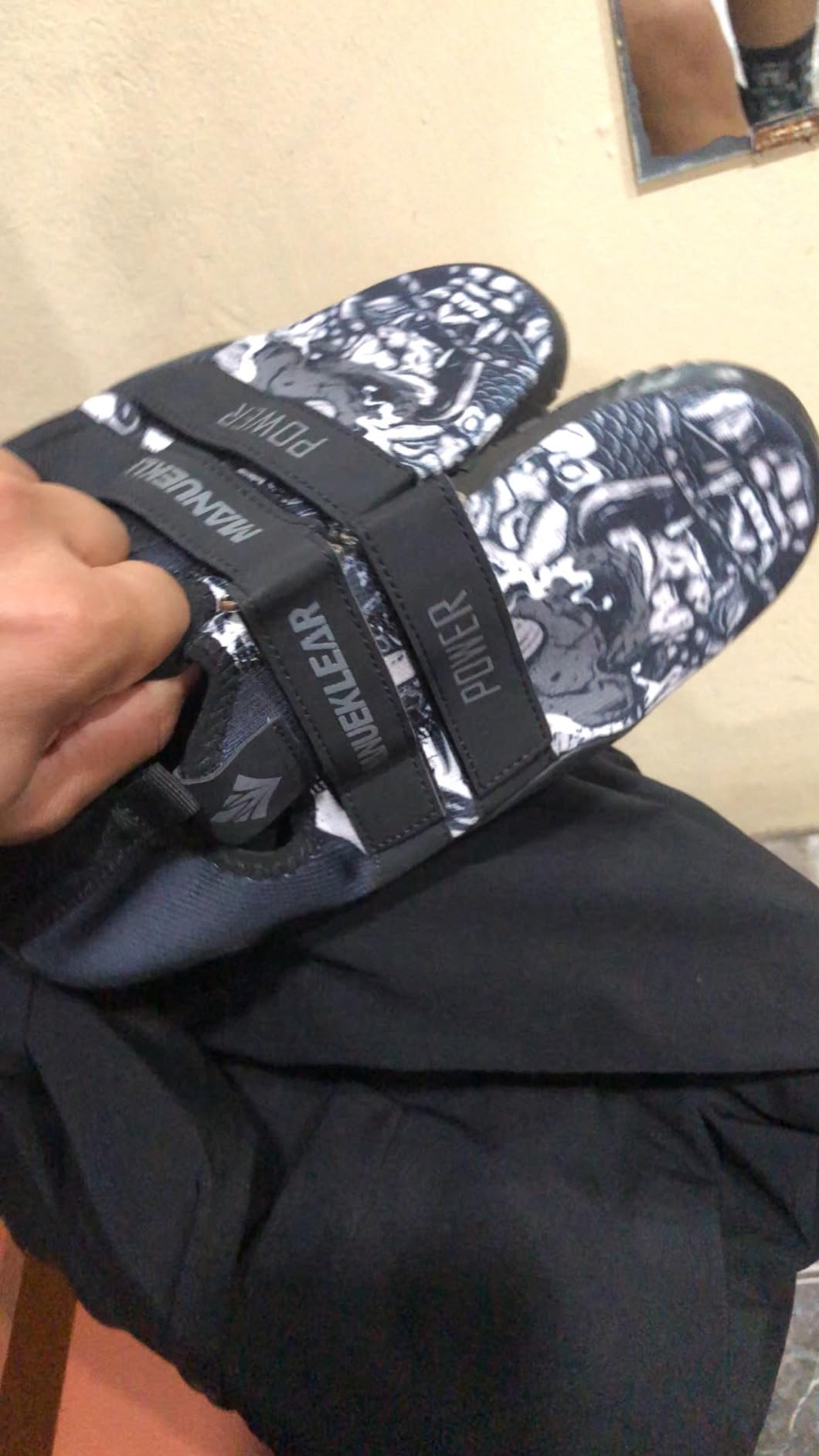
MANUEKLEAR makes a few bold claims. Let me check them against 8 weeks of use:
“Fits as light and thin as socks” — Largely accurate. The shoe disappears on your foot after the first session. Fit varies by foot shape (high arch users, take note), but the sock-like quality is real.
“Only 220g” — Confirmed, with a caveat: weight varies by color and size variant. The official site says 220g; Amazon’s UAE listing says 226g. Either way, you won’t notice the weight during a session.
“Excellent safety and cushioning” — Partially accurate, and the marketing is doing some heavy lifting here. The shoes are safe: they grip, they stabilize, they keep your foot secure. But “cushioning” in the traditional sense is minimal by design. The safety comes from stability, not from impact absorption. If you’re expecting padded cushioning, you’ll be surprised.
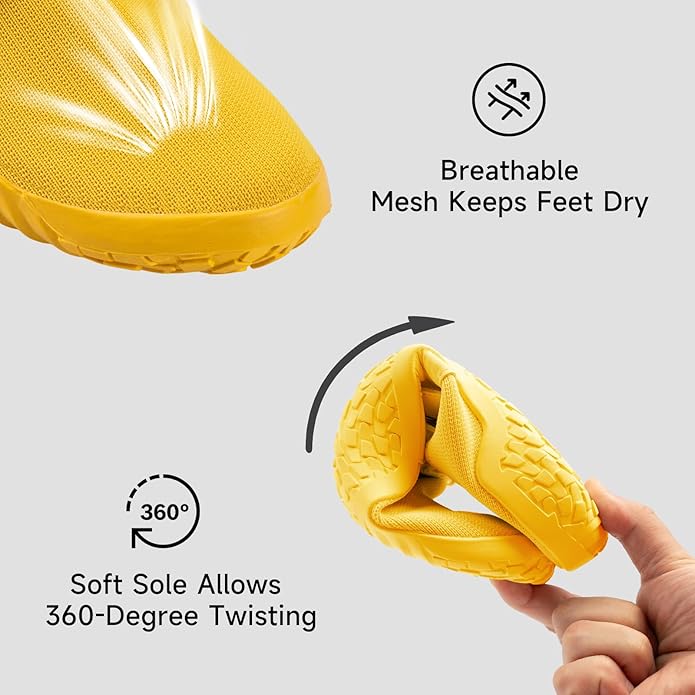
“720° free roll” — Confirmed. These shoes flex in every direction, which contributes to both their sock-like feel and their gym bag portability.
Who Should Buy These
Good fit:
- Primary lifters (deadlifts, squats, Olympic accessory work) who want ground connection without spending $100–150 on dedicated lifting shoes
- People transitioning from padded cross-trainers to minimize heel elevation during pulls
- Wide-foot users — the toe box genuinely accommodates natural spread
- Home gym users who want a packable, lightweight shoe they can leave in a bag
- Anyone curious about barefoot-style training but not ready to invest in premium minimalist brands
- Flat-footed lifters who find arch-support designs uncomfortable under load
Not the right shoe for:
- Athletes who need one shoe to cover cardio, lifting, and sports — the specialization is real
- Anyone who needs significant impact cushioning (box jumps, plyometrics, distance running)
- People with high arches who require structured support
- Competitive powerlifters who need a metatarsal strap or federation-approved lifting shoe
- Those expecting premium materials or construction — the $35 price reflects budget-grade build
How They Compare
| Shoe | Price | Drop | Best for | Versatility |
|---|---|---|---|---|
| MANUEKLEAR Deadlift | $35 | 0mm | Deadlifts/squats | Low (specialist) |
| Skerxut Deadlift Cross-Trainer | ~$40 | Low | Budget deadlift | Low-medium |
| Joomra Wide Minimalist | ~$30 | 0mm | General minimalist | Medium |
| Nike Metcon 9 | ~$130 | ~4mm | Cross-training | High |
| Adidas Amplimove Training | ~$75 | ~6mm | Mixed training | Medium-high |
At $35, the MANUEKLEAR costs about $1.46 per session over an 8-week test period. If they last a full year of 3-day-per-week training, that math drops below $0.25 per session. Compared to the Reebok Nano X3’s ~$130 price point, you’re getting 70–80% of the deadlift-specific performance at 27% of the cost. The gap shows in versatility and long-term build quality, not in ground connection for pulling.
If you’re not ready for MANUEKLEAR, other UBFEN Barefoot Minimalist or JMZB Barefoot Shoes options exist in the same budget range with slightly different trade-offs. If you want to step up in quality without going full premium, the Merrell Vapor Glove 6 or Merrell Trail Glove 5 offer more construction quality at a higher price, though they’re not gym-optimized the same way.
Frequently Asked Questions
Are MANUEKLEAR deadlift shoes true to size?
Not consistently. The most common experience is slightly small, with many buyers recommending a half-size up — particularly if you have wide feet. Standard and narrow-foot users often find TTS works fine. My recommendation: check the manueklear.com size chart, then buy from a retailer with a clear return window so you can exchange if needed.
How long do they last?
At 8 weeks (24 sessions, 36 hours), mine look nearly new. Based on customer review patterns, light use (1–2x per week) tends to yield 12–18 months; regular training (3–4x per week) typically gets 6–12 months before significant sole wear. At $35, even the shorter lifespan represents good cost-per-use math.
Can I wear these for cardio or running?
Technically possible, not advisable. The 4mm sole provides no impact cushioning for repetitive heel strike, and the minimal lateral support isn’t designed for direction changes. These are lifting shoes used for lifting. For anything involving sustained running or court movement, a dedicated training shoe serves you better.
Do I need socks?
For sessions under 30 minutes, sockless is workable. Past that, thin athletic socks prevent the mesh from rubbing against the tops of your toes during extended wear. I found performance socks (not ankle socks) gave the best experience during longer sessions.
How close is this to actually going barefoot?
Very close. The 4mm rubber sole means proprioceptive feedback is nearly identical to barefoot — you feel the floor, sense the pressure distribution, engage stabilizing muscles your padded shoes have been doing the work for. The difference is rubber protects against sharp objects, provides grip, and keeps the gym management happy. Options like the Relxfeet Men’s Barefoot Shoes or Airhas Zero Drop offer similar minimalist philosophies if you want comparison points.
Are these suitable for flat feet?
Yes — this is actually one of the better matches for flat-footed lifters. The zero-drop design doesn’t force your foot into an artificial arch position; it lets your foot contact the floor in its natural state. Many flat-footed users find the lack of arch support here is specifically what makes these comfortable compared to traditional athletic shoes.
What if the sizing is wrong?
Amazon standard return policy applies. MANUEKLEAR’s own site offers a 30-day return/exchange. Given the QC inconsistency on sizing, buying from a platform with a clear return window is the sensible move.
Are there other color options beyond the yellow?
Eight others: Obsidian Black, Deep Red, Sapphire Blue, Beige, Rubber White, Gradient Red, Forest Green, and Panda Color (black and white). The shoe construction is identical across colorways; only the aesthetics differ.
Final Verdict
| Category | Score | Comment |
|---|---|---|
| Deadlift Performance | 9.2/10 | Exceptional — eliminates heel elevation, maximizes ground contact |
| Squat Performance | 8.8/10 | Wide toe box + flat sole = natural foot positioning |
| Comfort & Fit | 7.5/10 | Excellent for lifting; minimal cushioning intentional, not a flaw |
| Durability | 8.0/10 | Strong at 8 weeks; longer-term performance unknown |
| Value for Money | 9.5/10 | $35 for genuine deadlift-specific performance |
| Versatility | 6.0/10 | Honest reflection of specialization — not a criticism |
| Overall | 8.2/10 | Excellent specialist shoe at a price point that removes the financial risk |
Eight weeks in, I’d buy these again — specifically for what they are. The ground connection I found on that late-night Amazon scroll turned out to be real, and the 185-pound pull in week five was cleaner than anything I’d managed before. But I also keep a second pair of shoes in my bag for the cardio intervals at the end of my sessions, because asking these to do that job would be like using a chef’s knife to open packages.
For budget-conscious lifters who primarily deadlift and squat, these deliver where it counts. The sizing inconsistency is manageable if you buy smart. The specialization is a feature, not a compromise — these shoes know exactly what they’re good at.
If you want to explore other barefoot training options, Hike Barefoot Shoes or Joomra Wide Minimalist offer comparable zero-drop design with slightly different fits. But at $35, the MANUEKLEAR remains the most purpose-built deadlift option at that price point.
Be the first to review “MANUEKLEAR Deadlift Shoes”
Related products
Training Shoes
Training Shoes
Training Shoes
Hiking/Trekking Shoes
Running Shoes
Reviews
There are no reviews yet.