


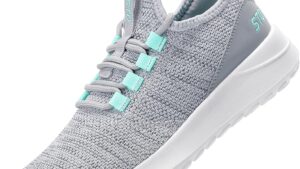

My mornings run on autopilot: wake up, workout, change, meetings, school pickup, errands, dinner. When a friend mentioned she’d been wearing the same $40 STQ slip-ons for three months straight without a single complaint, I was intrigued — and honestly a little skeptical. Sarah here, and after six weeks of putting these through my actual packed schedule, I’ve got answers. The short version: they’re better than they look on paper, worse than the marketing implies, and probably exactly right for a specific kind of buyer.
What’s Actually in the Box
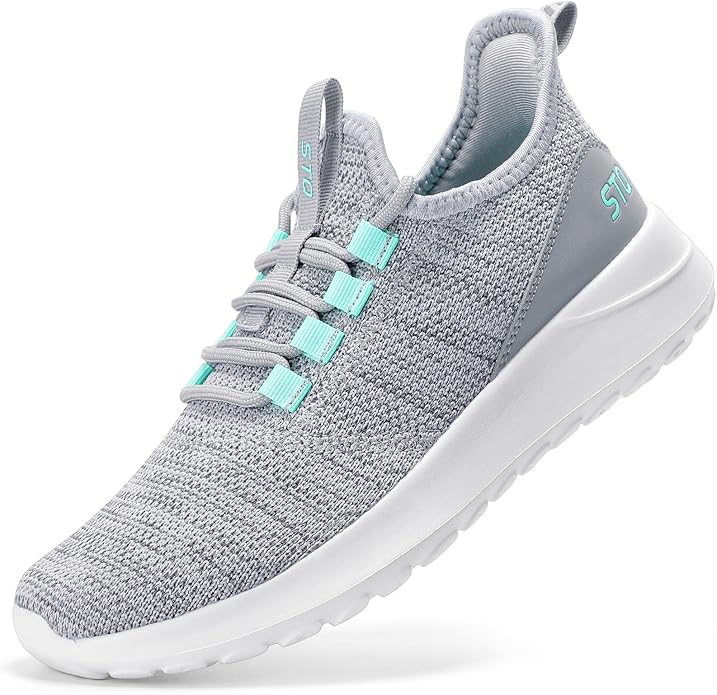
Before the testing breakdown, here’s the spec reality check. STQ — which apparently stands for “Step Queen” — targets this shoe squarely at busy moms and pregnant women. The pitch makes sense once you see it in person.
- Price: ~$40
- Weight: ~8 oz per shoe (size 8)
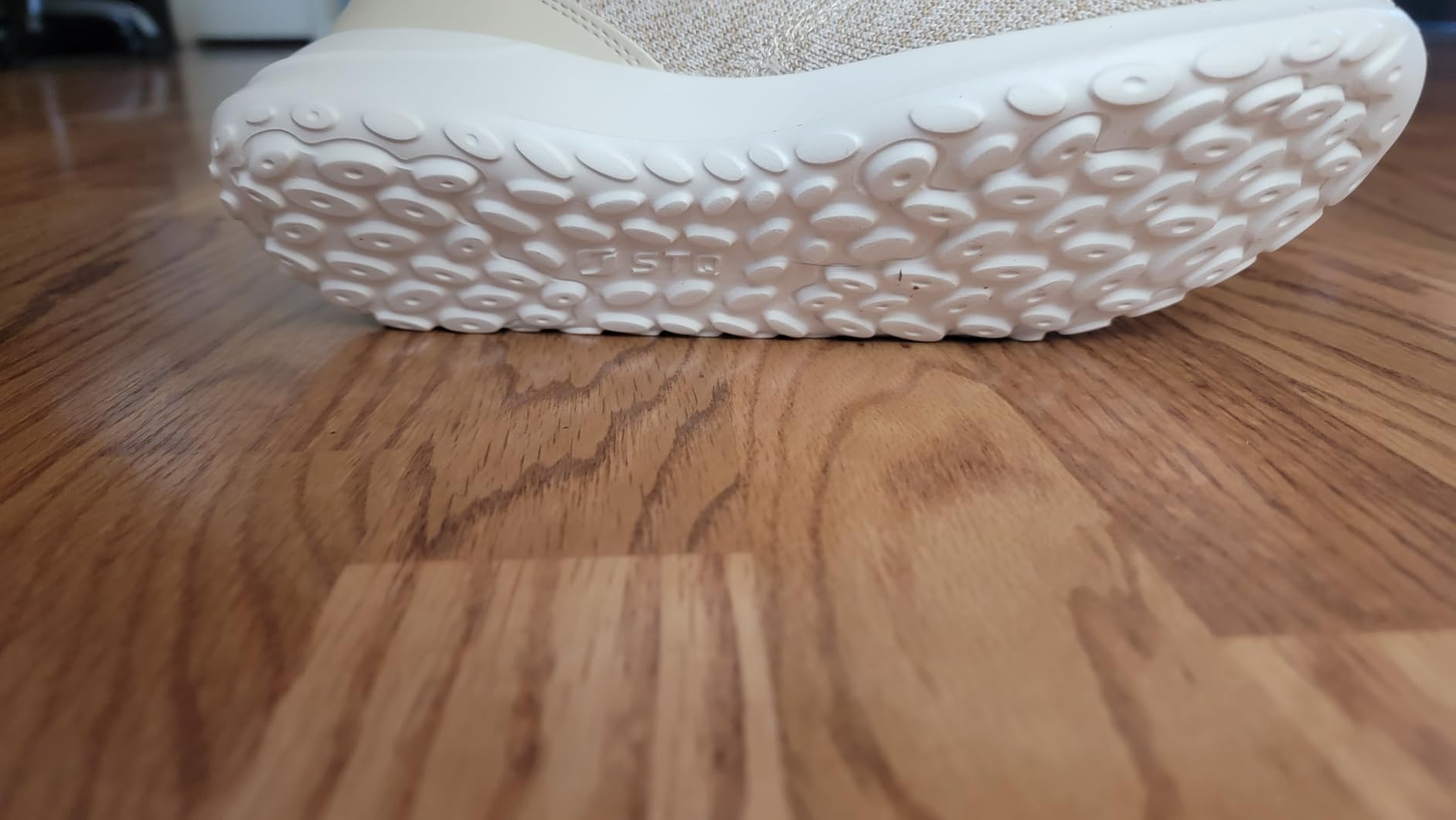
- Sole: MD (moulded EVA composite — more on this in a moment)
- Upper: Knit fabric
- Closure: Pull-on slip-on, no laces
- Best for: Walking, casual errands, light gym, daily wear
- Not for: Running, intense workouts, clinical arch needs
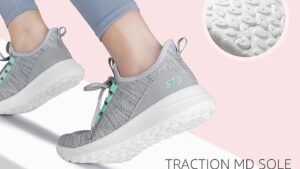
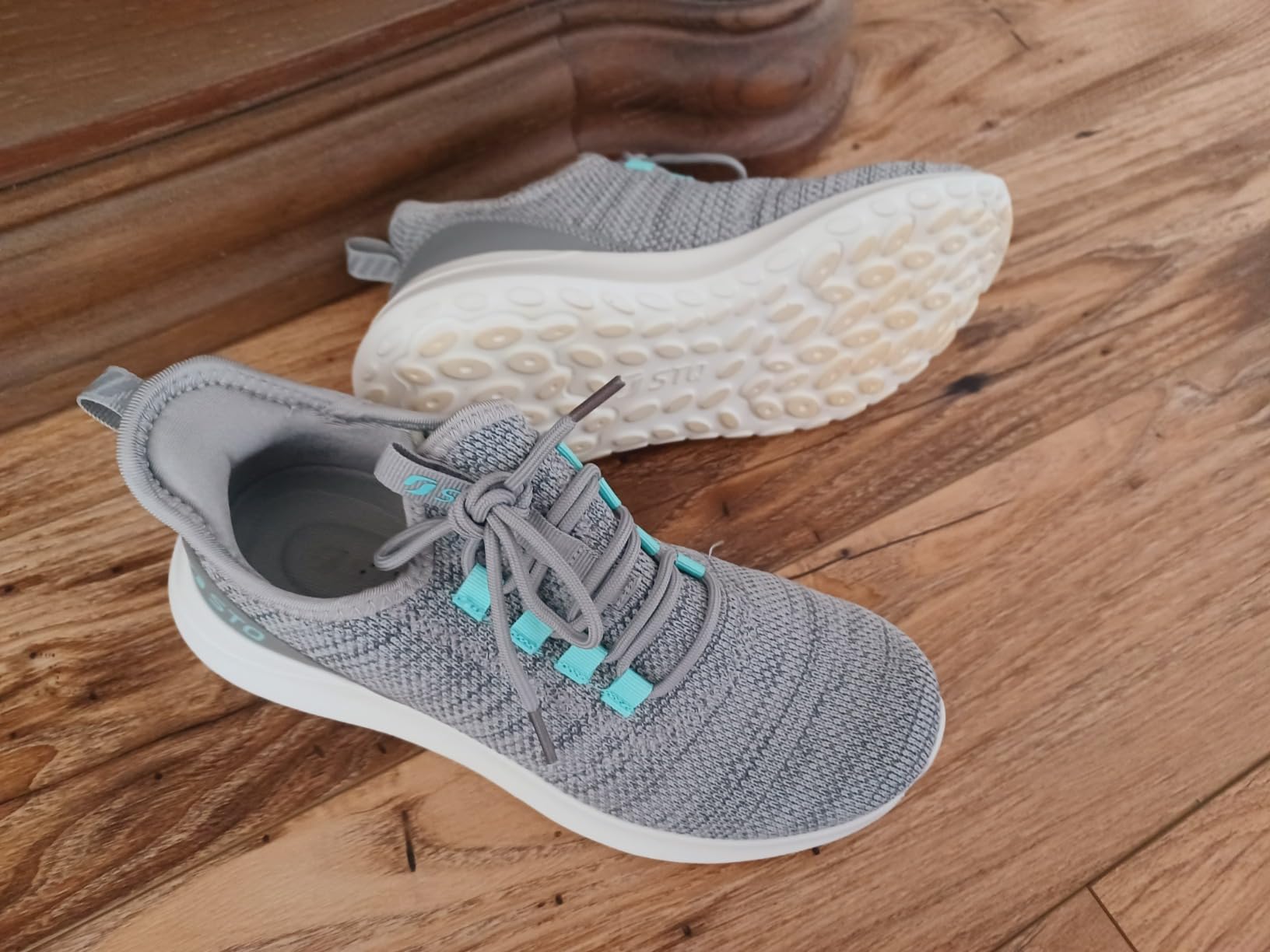
One thing worth catching early: the Amazon listing says the sole is “MD” — not EVA, which gets repeated in many reviews. MD stands for Moulded, also called Phylon. It’s an EVA-derived composite that gets double-cured at high temperature with rubber compounds mixed in. Practically, this means it’s lighter and more shaped than raw EVA foam, but more sensitive to heat compression and loses cushioning responsiveness faster over time. Not a dealbreaker at $40 — just useful to know when setting durability expectations.
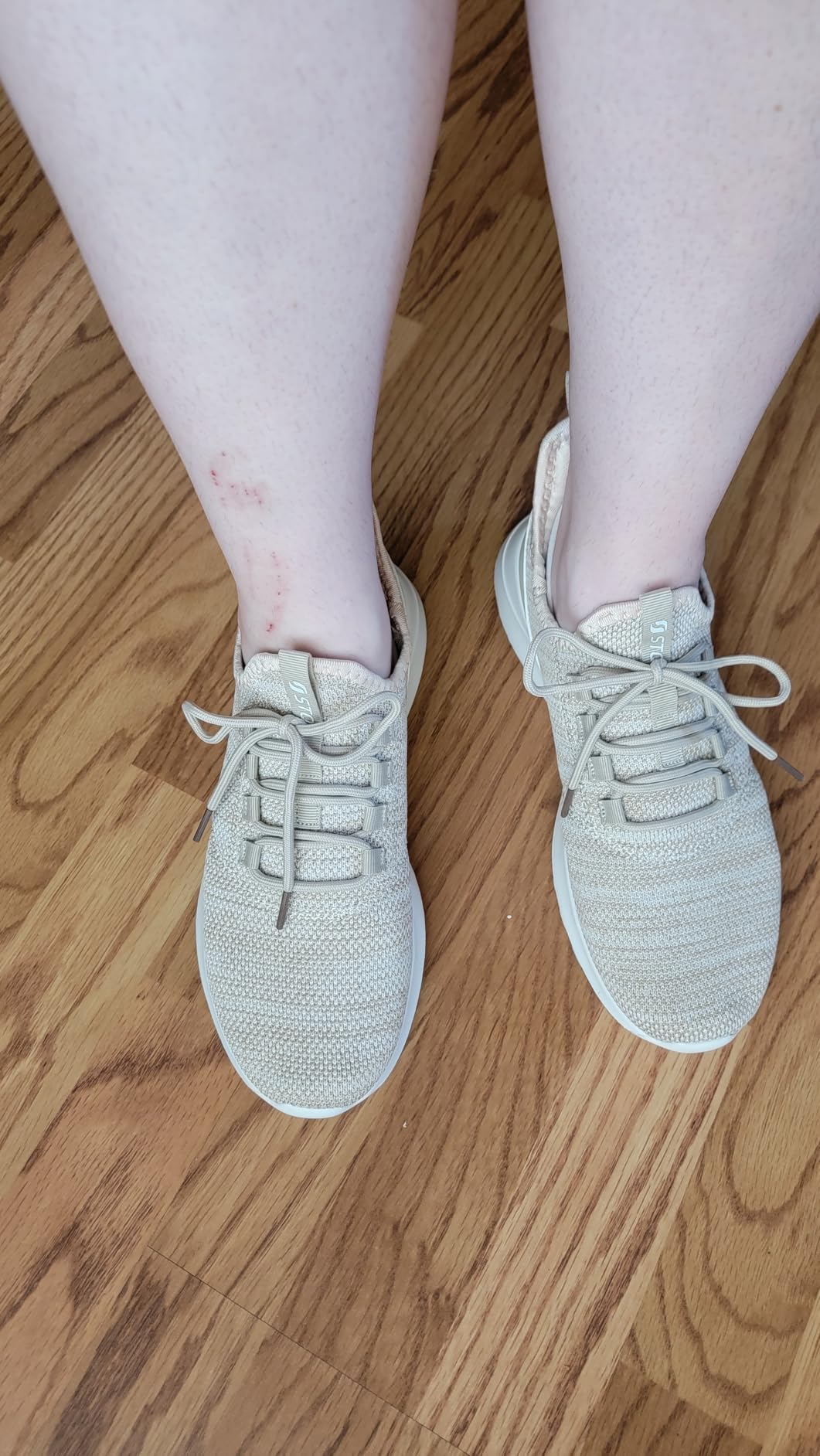
The Hands-Free Claim: Testing It Honestly
This is the headline feature, so let’s go there first.
STQ markets these as “hands-free” — slide your foot in without bending, no laces, no pull tab. I tested this every single day for six weeks across different situations, and here’s the honest breakdown: it works about 70% of the time.
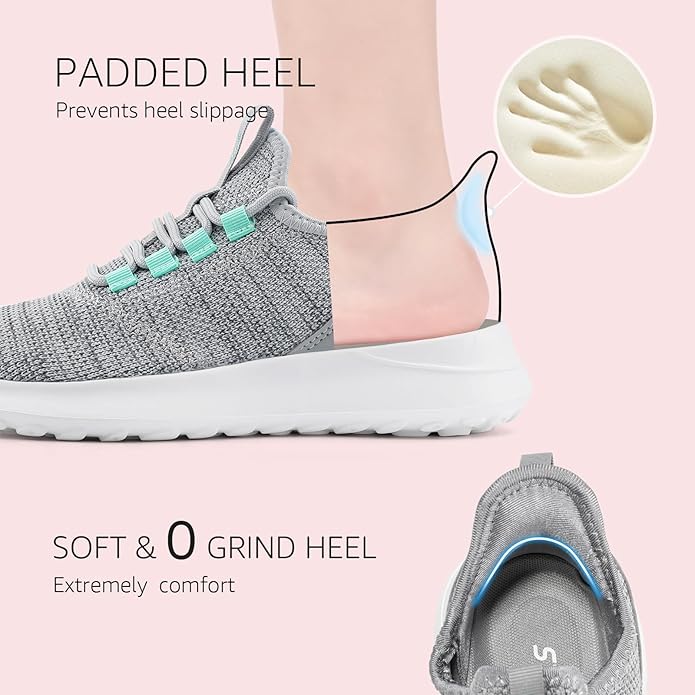
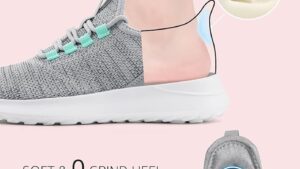
The mechanism is a flexible heel collar that’s supposed to collapse when your foot enters and snap back into position. In practice, morning grocery runs? Perfect. Running out the door with coffee in one hand and a bag in the other? Usually fine. Slipping them on post-gym when my foot was slightly warm? I needed to use my finger to guide the heel about a third of the time.
The failure scenarios aren’t random. They cluster around specific conditions: sweaty or damp feet (friction increases), very first thing in the morning before the knit has warmed up (collar feels stiff), and trying to put them on while seated without much foot clearance. None of these are catastrophic failures — you’re talking about two seconds of heel adjustment, not a frustrating wrestling match. But if “hands-free” is your primary reason for buying, set realistic expectations.
| Situation | Hands-Free Success |
|---|---|
| Morning quick exit (dry, standing) | ✅ Yes |
| Grocery store entry/exit | ✅ Yes |
| School pickup (worn all day, foot expanded) | ✅ Usually |
| Post-gym retrieval (warm/damp feet) | ❌ Needed adjustment |
| First thing in morning (cold knit) | ❌ Stiff, needed help |
| Seated, limited foot clearance | ❌ Heel guide needed |
For comparison, Skechers Hands Free Slip-Ins use a stiffer heel cage that’s more consistent — closer to 90%+ hands-free across conditions — but costs $25–30 more. If 100% hands-free is non-negotiable, Kizik Lima (around $120) has engineered specifically for that guarantee. The STQ version is a budget approximation of the concept.
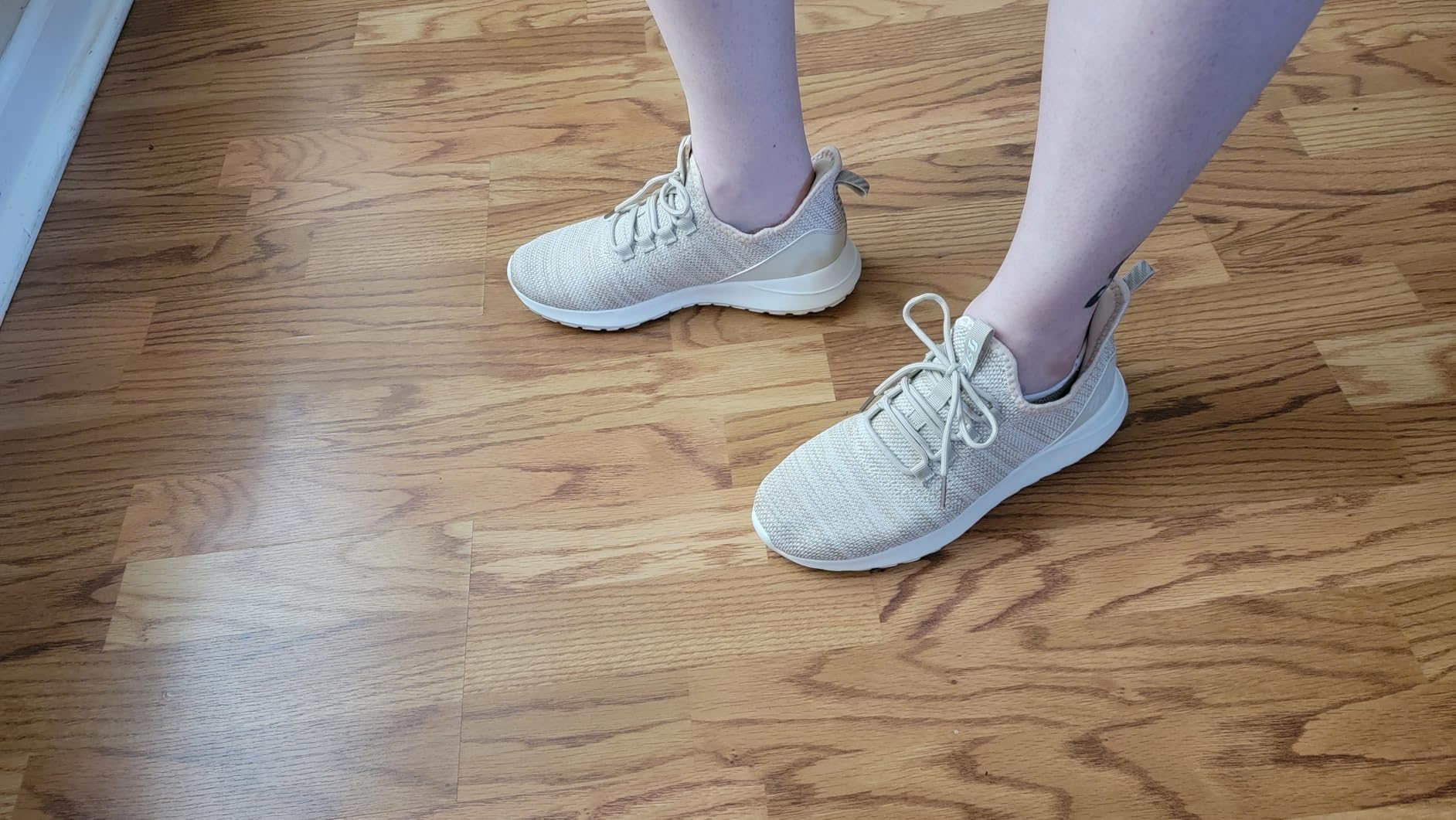
Comfort: Where These Actually Shine
Here’s the thing about these shoes — set aside the hands-free marketing, and what you’re left with is a genuinely comfortable daily sneaker. The 8.5/10 comfort score I’d give them isn’t generous; it’s accurate for the intended use case.
The moulded sole cushions impact without feeling mushy. Walking across a concrete parking lot, the feedback is absorbed without any jarring. Standing in a checkout line for 20 minutes? No foot fatigue. Three hours at a playground? I forgot I was wearing them — which is the best thing you can say about a shoe.
Over six weeks of testing, I paid attention to how comfort tracked over time during long days:
| Wear Duration | Comfort Level | What I Noticed |
|---|---|---|
| Hours 0–4 | 9/10 | Zero issues — genuinely comfortable |
| Hours 4–6 | 8.5/10 | Still good, very mild arch awareness |
| Hours 6–8 | 7.5/10 | Foot awareness grows, especially if standing stationary |
| Hours 8+ | 6/10 | Fatigue sets in, arch support absence becomes notable |
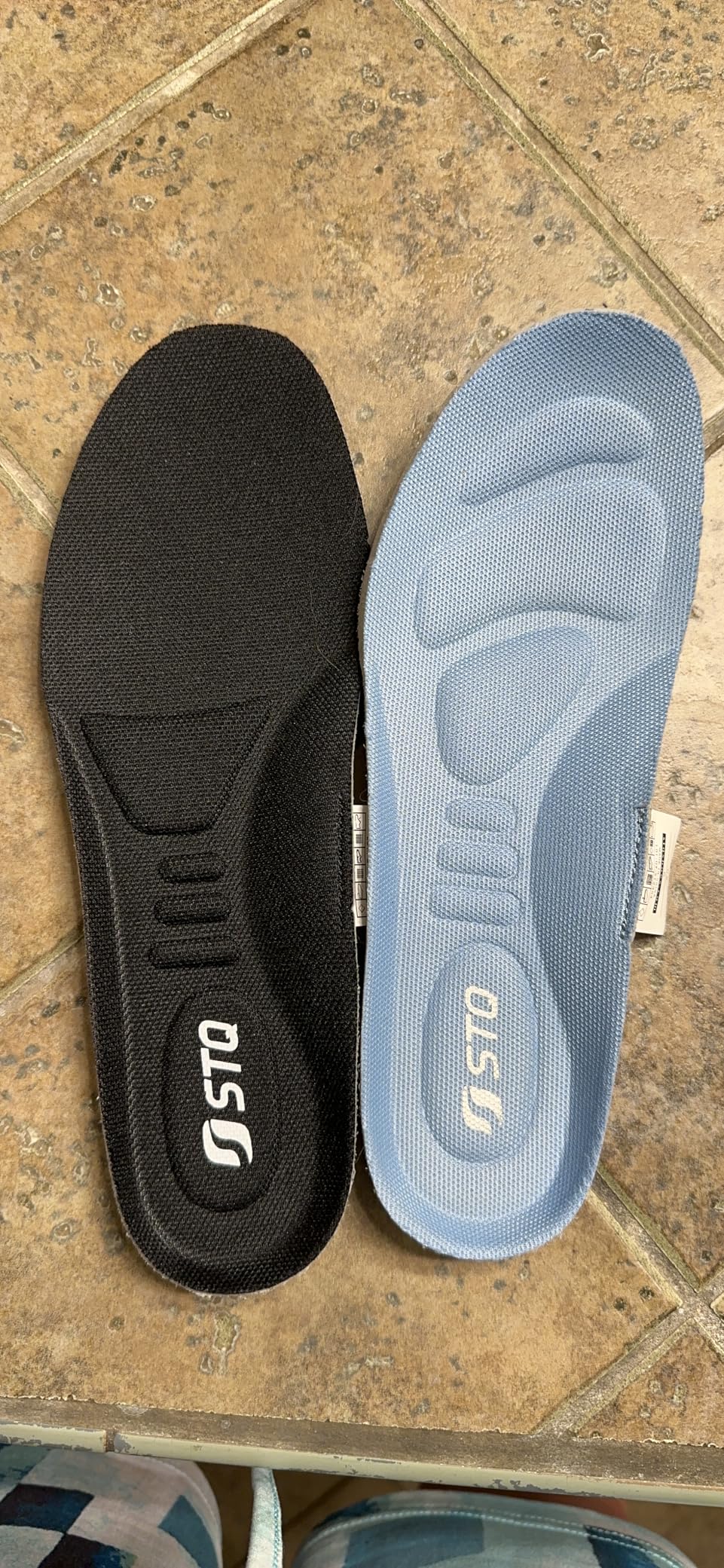
The caveat is arch support. STQ themselves call it “low arch support” — which is honest and worth taking seriously. For casual daily use with normal arches, it’s fine. For people with plantar fasciitis or high arches who need actual support, the cushioning here is about comfort, not correction. The Amazon listing’s “orthopedic insole” language is marketing — there’s no APMA certification, no clinical testing, no podiatric endorsement attached to this shoe.
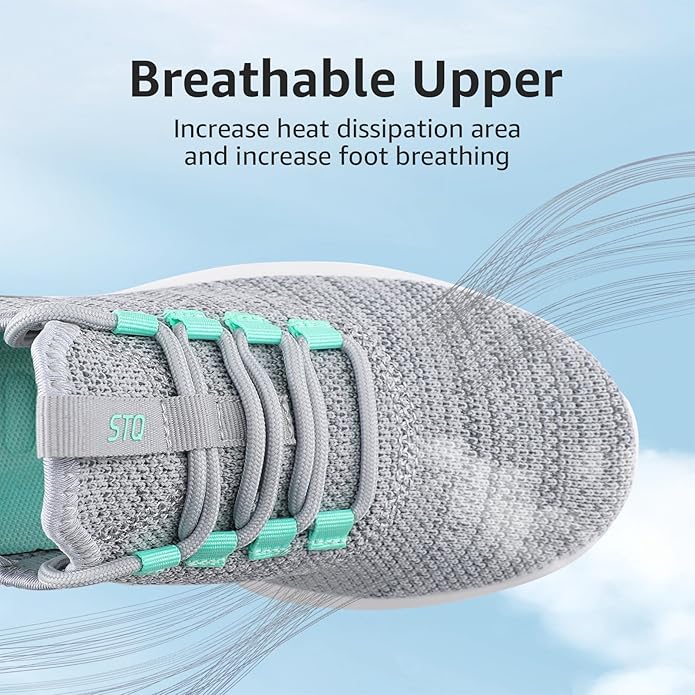
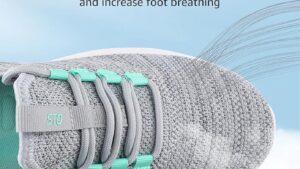
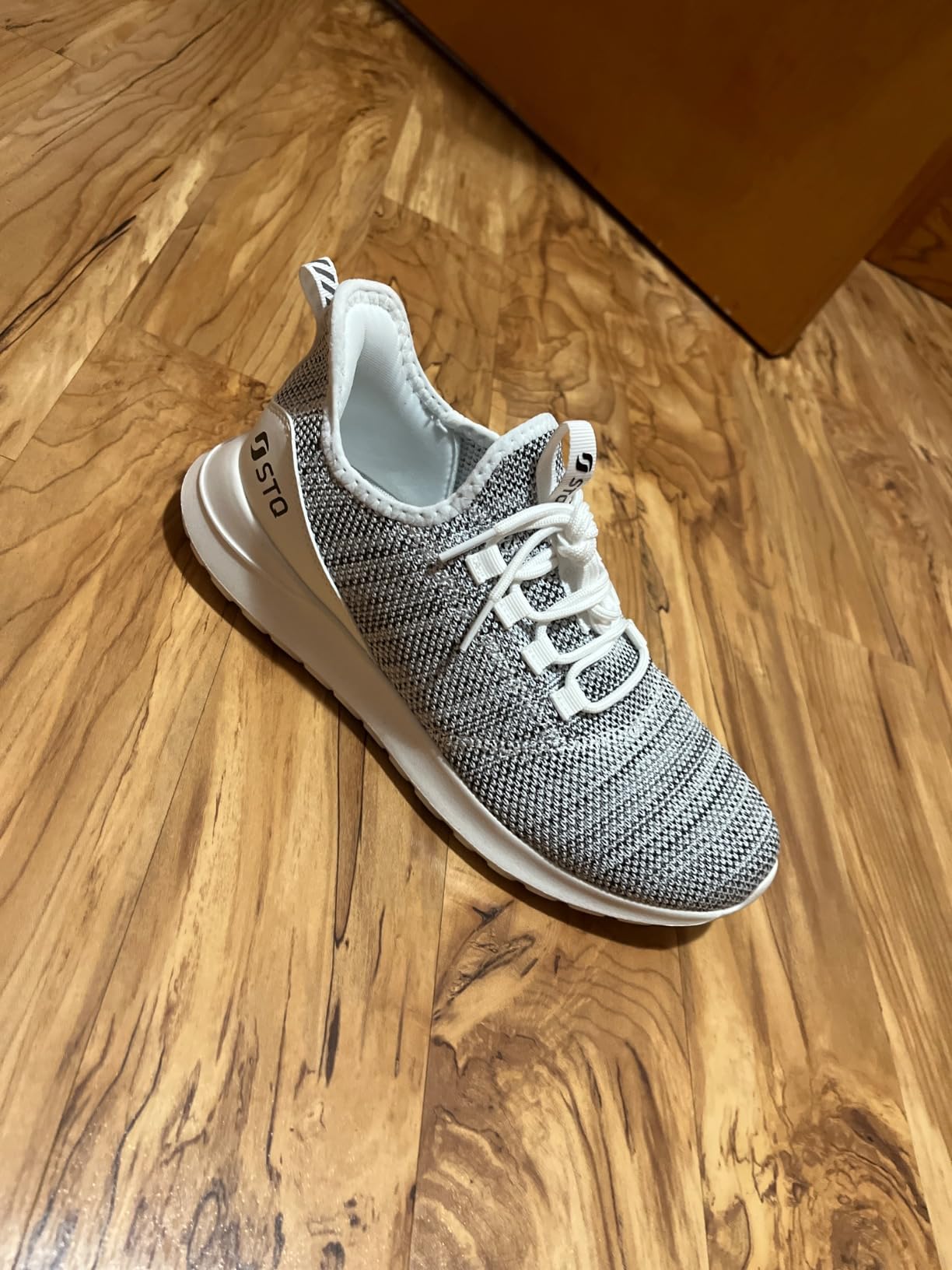
The knit upper breathes better than you’d expect. Even on warmer days, my feet stayed comfortable without overheating. That’s a genuine standout for this price range.
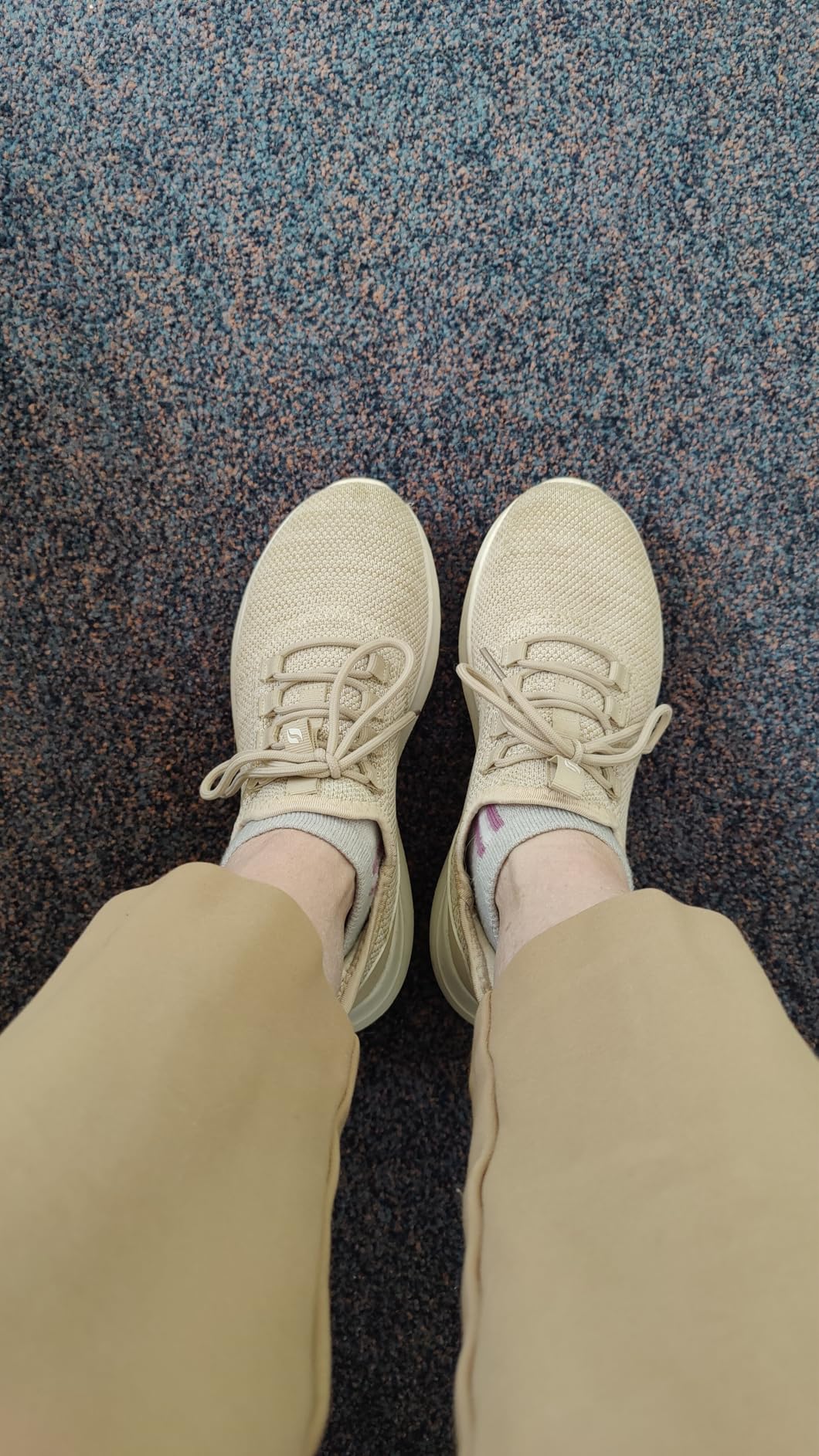
Build Quality: What $40 Delivers (and What It Doesn’t)
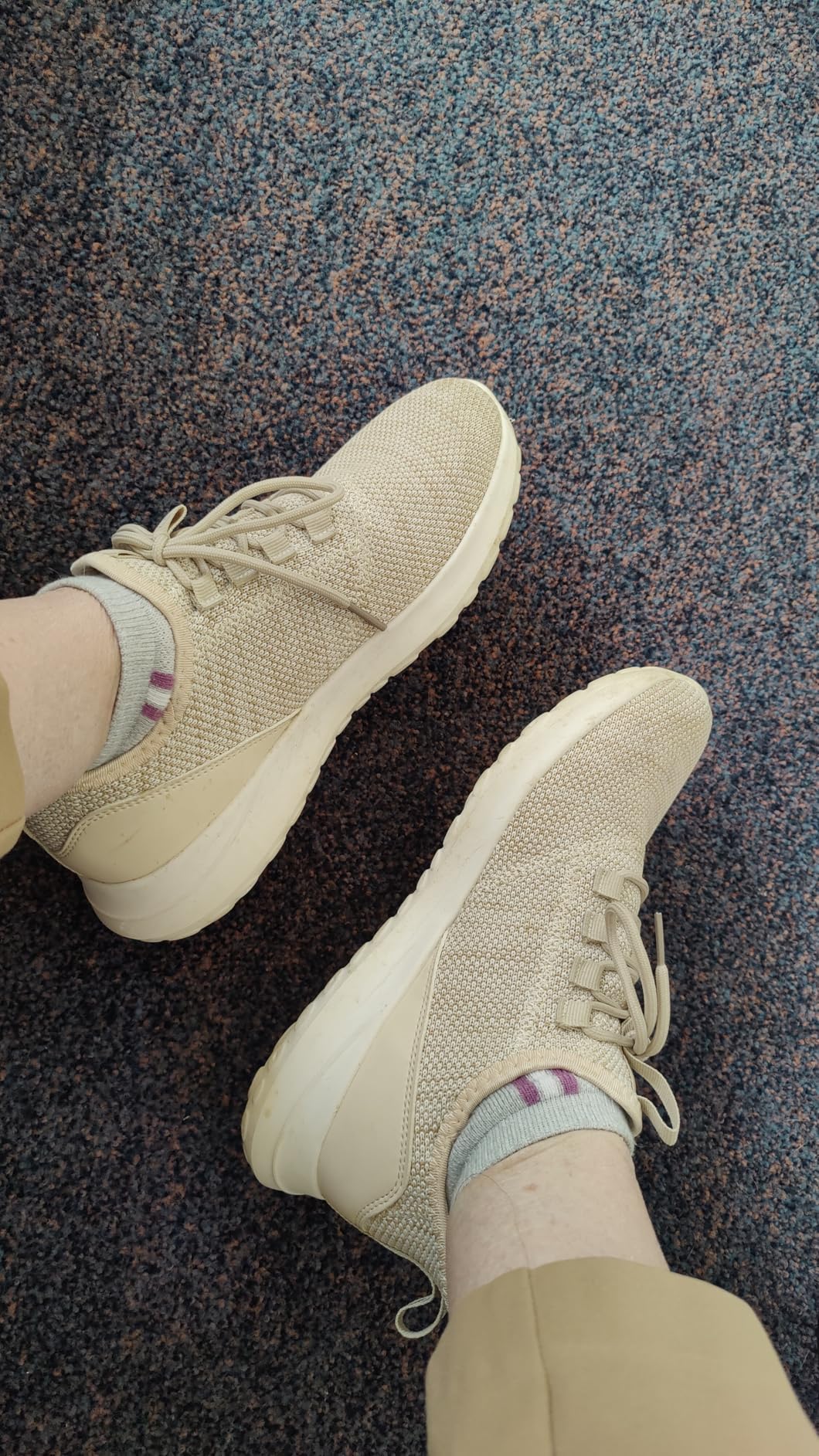
At six weeks, the construction looks better than I expected. Seams are intact, the sole-to-upper bond shows no stress marks, the knit weave hasn’t frayed. The insole has softened slightly but hasn’t collapsed. That’s a respectable showing for the price tier.
The longer-term picture is where realism kicks in. MD soles — remember, that’s the moulded EVA composite — are known to compress and lose responsiveness over time. Industry data puts the degradation window at several months under regular use, with cushioning feeling noticeably flatter by month 6–8 of daily wear. Some community reviews also report sole separation around weeks 3–4 under heavy use, which is consistent with the adhesive bond being the primary failure point in budget shoes at this construction quality.
Lifespan expectations by use pattern:
| Use Pattern | Expected Lifespan | Cost/Month |
|---|---|---|
| Casual (2–3x/week, short outings) | 12–18 months | $2.22–$3.33 |
| Moderate (daily casual wear) | 8–12 months | $3.33–$5.00 |
| Heavy (8+ hours daily, varied terrain) | 4–6 months | $6.67–$10.00 |
At casual rotation, you’re looking at $0.07–$0.11 per wear — that’s genuinely strong value math for a comfortable daily sneaker. The shoe isn’t designed to last five years; it’s designed to be comfortable and affordable for a meaningful stretch of time. At that framing, it delivers.
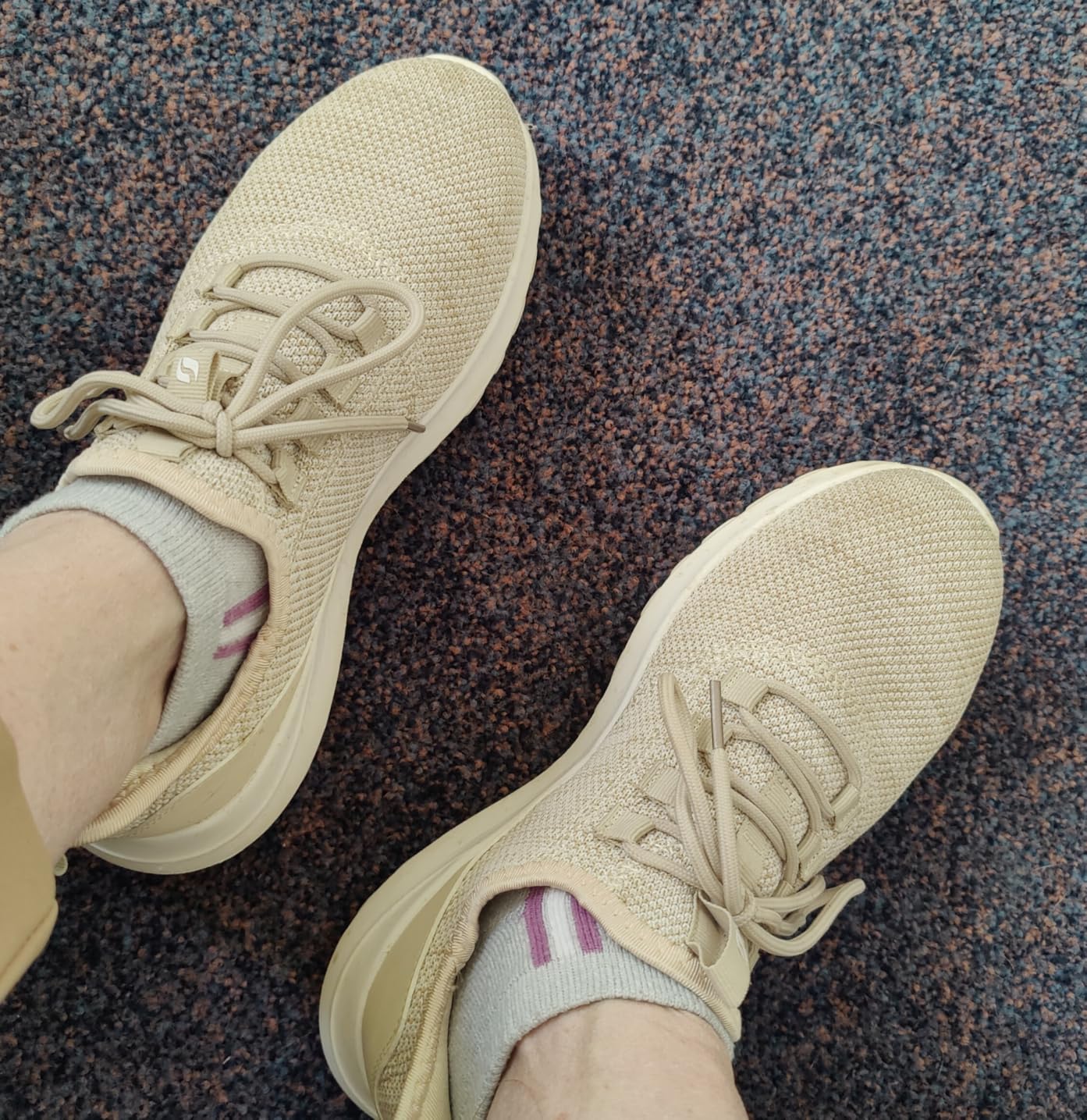
Six Weeks of Testing: What I Found in the Field
I tested these across the kind of days that represent my actual life — not a controlled lab scenario.
Grocery runs: Three-hour mixed standing/walking sessions across grocery and big-box stores. Consistent 9/10 comfort. The cushioning handles tile floors well, and the slip-on convenience genuinely speeds up shoe transitions (parking lot → store → car → next stop).
School pickup runs: Wearing these to school pickup meant walking from parking to classroom and back, plus standing around talking with other parents for 20–30 minutes. Zero complaints. The knit upper doesn’t feel constricting, which matters when you’re on your feet longer than planned.
Playground visits: This tested the traction. On wood chip surfaces, gravel, and paved pathways — adequate grip. I didn’t slip. I wouldn’t take these on wet grass (knit absorbs moisture, and the moulded sole doesn’t have aggressive wet-grip lugs), but typical playground terrain was fine.
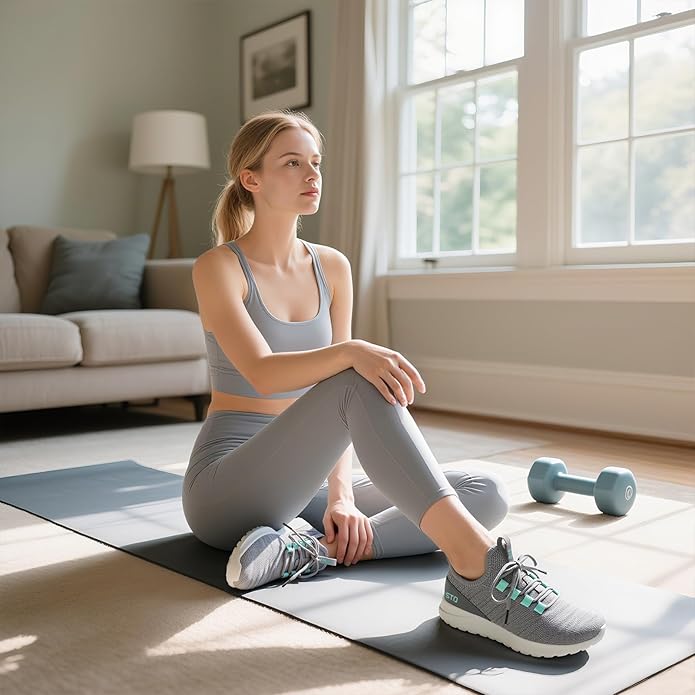
Light gym work: Elliptical and light weight work — fine. Walking on a treadmill — also fine. If you showed up to a serious lifting session or tried running intervals, you’d feel the absence of proper lateral support and midsole structure quickly. This isn’t an athletic shoe; it’s a casual shoe that won’t embarrass you in the gym during easy sessions.
One thing I’ll note: the knit upper is not waterproof. Light drizzle walking from car to store was fine — the knit repels brief moisture contact. Anything beyond that and your feet will get wet. Not a flaw exactly, just a material reality of knit construction.
STQ’s Marketing Claims vs. What Testing Found
Claim: “Hands-Free Design”
Reality: Context-dependent, ~70% success rate. Genuinely convenient when conditions align; requires heel adjustment in sweaty or cold-start situations. Accurate in spirit, overstated in guarantee.
Claim: “Orthopedic Insole”
Reality: Marketing language. The insole is soft and conforming — comfortable for daily wear. But there’s no APMA certification, no clinical orthopedic testing, and no podiatrist endorsement. If you’re managing plantar fasciitis or other structural needs, look at genuinely certified options like AOV Women’s Arch Support Walking Shoes or consider adding Sof Sole insoles for real arch support. STQ’s own product description elsewhere calls it “low arch support” — which is the more accurate framing.
Claim: “Shock-Absorbing Sole”
Reality: Validated for daily walking. The MD sole absorbs impact well enough for casual movement. Don’t expect running-shoe-grade shock absorption — this is moderate cushioning for moderate activity.
Claim: “Breathable Upper”
Reality: Validated. Knit fabric breathes genuinely well. Even in warm conditions, my feet didn’t overheat. This is one of the shoe’s actual standouts.
Claim: “Designed for Pregnant Women and Busy Moms”
Reality: Validated. The combination of slip-on entry, foot-conforming knit, adequate cushioning, and low profile makes this a sensible choice for that exact use case. No bending required, gentle fit for swollen feet, decent all-day comfort — all relevant for pregnancy or postpartum wear.
Sizing and Fit: The Practical Answer
True to size for standard-width feet — that’s the short answer, and it held up across my six weeks of testing. I wear size 8 in most brands, ordered size 8, and the fit was accurate without adjustment.
The knit upper adds some flexibility. If you’re between sizes or have a slightly wider forefoot, the material accommodates without creating hotspots. That said, if you have genuinely wide feet, sizing up 0.5 is the safer bet — the knit does have limits, and a too-snug fit around the toe box will cut into that comfort score quickly.
No aggressive break-in period needed. The shoe felt comfortable from the first wear, which is consistent with the knit construction and moulded sole — both of which conform rather than resist.
Who Should Buy This — and Who Shouldn’t
Strong buy if:
- You want a comfortable, low-fuss daily sneaker for errands, school runs, and casual activity
- You’re budget-conscious and $40 is your target range
- You like the idea of slip-on convenience and can live with 70% hands-free (not 100%)
- You have standard arches and don’t require orthopedic intervention
- You’re pregnant or postpartum — the combination of easy entry, conforming fit, and light cushioning works well
- Breathability matters (warm weather, active lifestyle)
Skip it if:
- You need consistent hands-free entry — look at Skechers Bobs Squad Chaos Slip-Ins or the Kizik Lima instead
- You have plantar fasciitis or need clinical arch support — Romensi Women’s Arch Support Walking Shoes or AOV Arch Support are better fits
- You live in a rainy climate — the knit absorbs water
- You do serious running or lateral sports — you need a dedicated athletic shoe
- You want a 2+ year shoe — this is a 1-year investment at casual use
- You have very wide feet — sizing up may create too-loose a fit
Budget-conscious shoppers looking at similar slip-on sneakers in this tier might also consider Abboos Women’s Slip-On Sneakers or KEEZMZ Women’s Slip-On Sneakers as alternatives with similar comfort profiles.
Frequently Asked Questions
Are these actually hands-free slip-on shoes?
About 70% of the time, yes — and that’s an honest number based on six weeks of daily testing. They work well for quick casual transitions in most situations. Post-gym, cold morning, or seated entry are the failure cases where you’ll use a finger to guide the heel. Not a deal-breaker unless 100% hands-free is the purchase reason.
What does the sole material MD mean?
MD stands for Moulded — it’s a secondary-foamed EVA composite, sometimes called Phylon. The Amazon listing says MD while some reviews say EVA; both are referencing the same material family. MD is lighter and more shaped than raw EVA, but it does compress and lose responsiveness faster over time. That’s relevant to durability expectations more than day-to-day comfort.
Is the arch support actually orthopedic?
No — “orthopedic insole” is marketing language on the Amazon listing. The insole is soft and comfortable, and STQ’s own description elsewhere calls it “low arch support,” which is accurate. If you need clinically supported arch correction, consider aftermarket orthotic insoles or purpose-built arch support walking shoes.
Can I add custom insoles?
The insole appears to be removable in most color variants, though this varies slightly by batch. If orthotic support is the goal, purchasing a half-size up to accommodate insole volume is the usual approach. Custom Sof Sole insoles or similar options run $15–25 and can extend this shoe’s usefulness for people with mild arch needs.
How do these fit — do they run small or large?
True to size for standard-width feet. I wear size 8 and ordered size 8 — accurate fit throughout testing. Wide feet should consider 0.5 up. No strong run-small pattern found, which is actually above average for this price tier.
Are they good for healthcare workers / long shifts?
Through 8 hours of mixed standing and walking, yes. The comfort holds well through a typical workday. At the 8+ hour mark, the low arch support starts to become noticeable — so for 10–12 hour shifts with prolonged standing, bringing a backup shoe or adding arch insoles is the smarter play.
Are they waterproof?
Not at all. The knit upper absorbs moisture — light drizzle is manageable for a minute or two, but real rain or puddle contact will wet your feet. This is a dry-conditions shoe. If weather resistance matters, look elsewhere.
How long will they last?
At casual daily use (errands, school runs, light activity), expect 12 months before noticeable degradation. Heavier daily wear compresses this to 6–8 months. The primary failure mode in this construction tier is sole-upper bond separation, which some users report as early as weeks 3–4 under heavy use. The 7.5/10 durability score reflects a reasonable-for-budget-price assessment.
Review Scoring Summary
| Category | Score (1-10) | Key Notes |
|---|---|---|
| Comfort | 8.5 | Genuine all-day comfort up to 8 hrs; low arch support is real caveat |
| Slip-On Functionality | 6.5 | ~70% hands-free success rate; context-dependent |
| Build Quality | 7.0 | Solid at 6 weeks; MD sole compresses over time; QC lottery reported |
| Style Versatility | 8.0 | Clean neutral look; transitions gym-to-errands easily |
| Value for Money | 8.5 | $0.07–0.11/wear casual; strong value math at $40 |
| Durability | 7.5 | 12-month casual lifespan expected; not a multi-year shoe |
| OVERALL RATING | 7.5 | Solid budget daily sneaker; buy with realistic expectations |
The Verdict
Six weeks in, I keep coming back to the same thought: these shoes are exactly what they are, and that’s the most honest thing I can say about them.
They’re not premium. They don’t have certified arch support. The hands-free claim doesn’t deliver 100% of the time. The MD sole will lose responsiveness before a full year of heavy daily wear.
But for $40, they’re comfortable in ways that matter — cushioned enough for 8 hours, breathable enough for warm days, versatile enough for the mixed-terrain chaos of a real daily schedule. The cost-per-wear math works if you’re rotating them and not treating them as your one-and-only daily driver.
If you go in with eyes open about the arch support limitation, the ~70% hands-free reality, and the 1-year casual lifespan, there’s a lot to like here. The 7.5/10 overall score reflects a shoe that consistently delivers on its core promise — comfortable, convenient, budget-friendly daily wear — while being honest about where it falls short.
That’s a reasonable shoe. Sometimes that’s exactly what you need.
Be the first to review “STQ Womens Slip On Sneakers Tennis Walking Orthopedic Shoes”
Related products
Tennis/Squash Shoes
Tennis/Squash Shoes
Tennis/Squash Shoes

Tennis/Squash Shoes
Tennis/Squash Shoes
Tennis/Squash Shoes
Tennis/Squash Shoes
Tennis/Squash Shoes
Reviews
There are no reviews yet.