
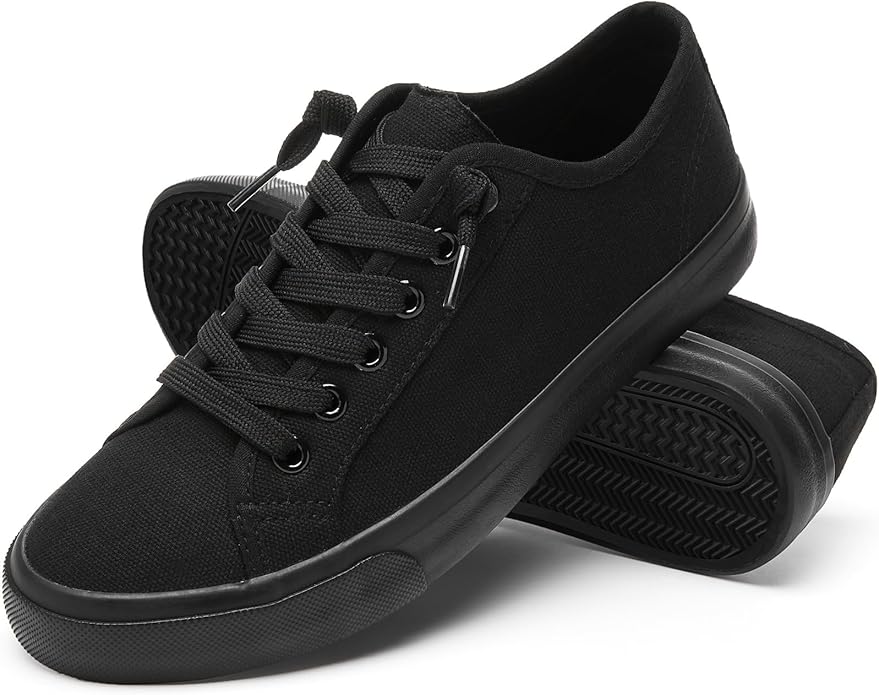

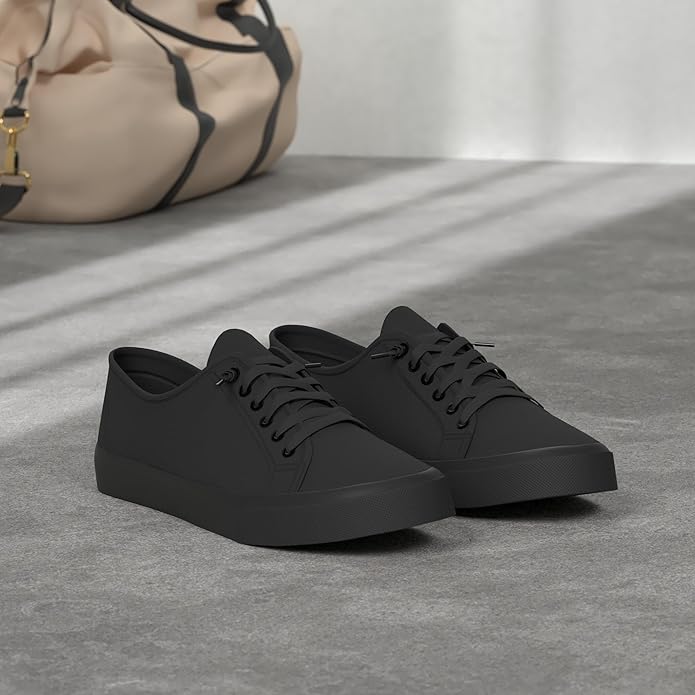
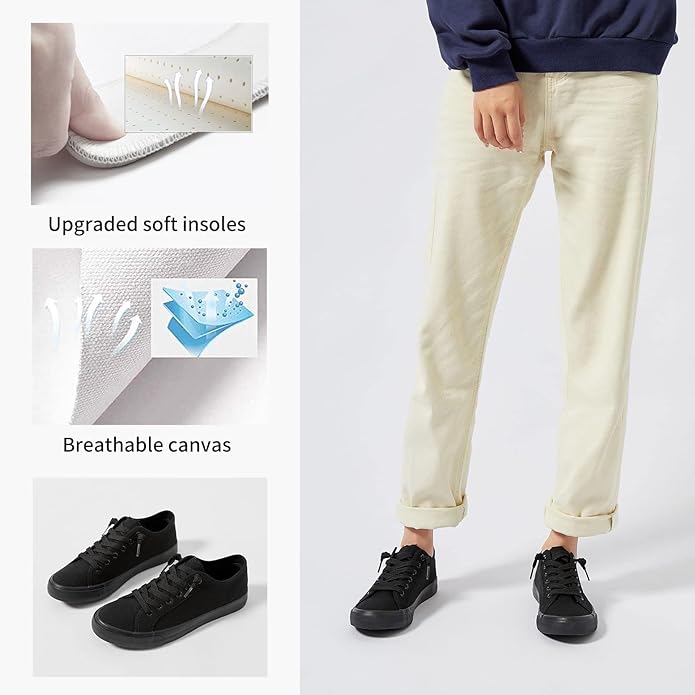
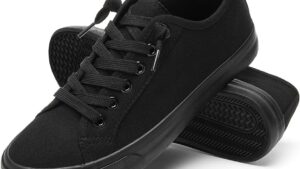
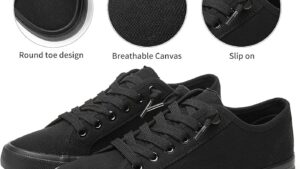
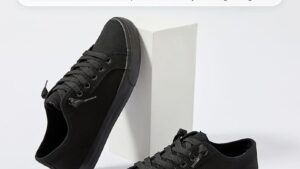
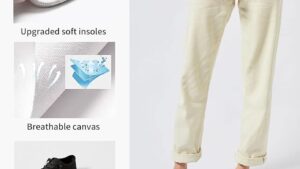
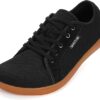
Between juggling school pickup, grocery runs that somehow always take longer than planned, and trying to look semi-put-together for work meetings, I needed canvas sneakers that could actually handle my life without requiring a second mortgage. When the XRH Women’s Canvas Slip-On Sneakers showed up promising comfort and style at $40, I was cautiously hopeful—emphasis on cautious. After 6 weeks and more than 40 wearing sessions through every scenario I could think of, here’s what these budget canvas shoes actually deliver, where they fall dangerously short, and whether they’re worth your money.
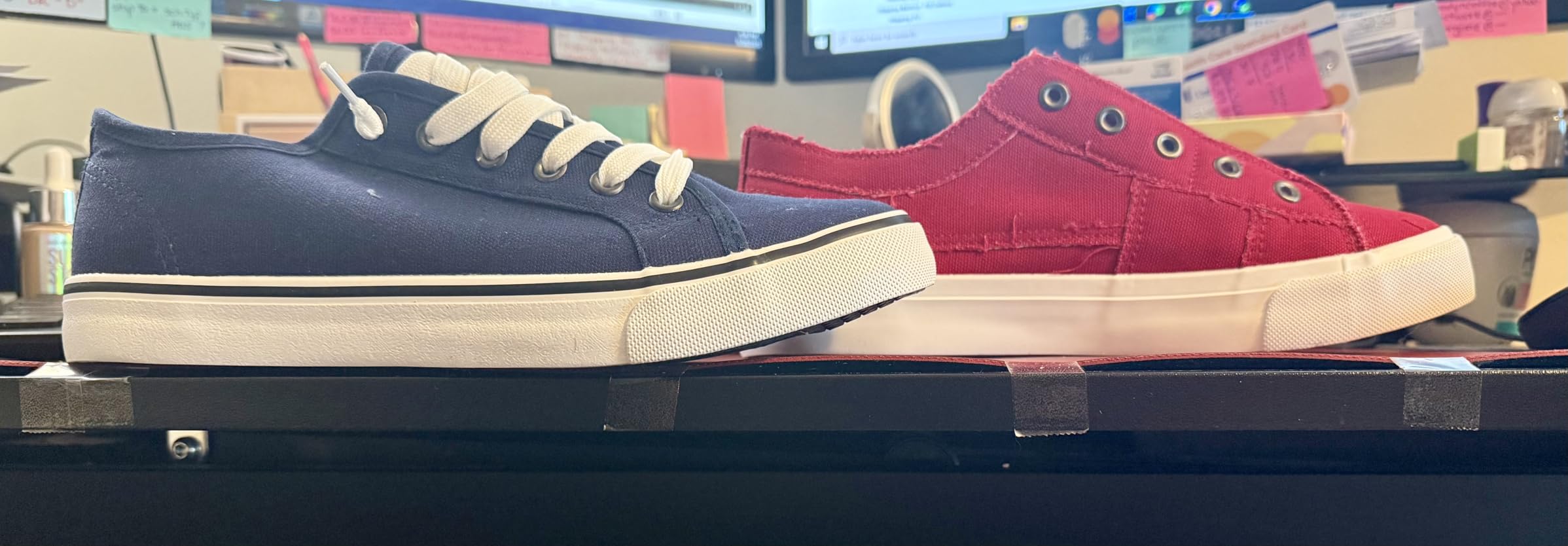
Technical Specifications
| Specification | Details |
|---|---|
| Price | $40-45 USD (April 2026) |
| Weight | 8 oz per shoe (women’s size 8) |
| Upper Material | Canvas (breathable) |
| Sole Material | Rubber (marketed as “non-slip”) |
| Insole/Cushioning | Memory foam padded interior |
| Closure Type | Elastic band with decorative laces (marketed as “slip-on”) |
| Available Colors | Black, White, Navy, Beige, Red, Green, Pink, Purple |
| Best For | Casual light wear, errands, occasional use (4-6 hour sessions) |
| Testing Period | 6 weeks, 40+ sessions, various daily activities |
| Expected Lifespan | 6-12 months casual use, shorter with daily wear |
First Impressions: The Good, The Surprising, and The “Wait, What?”
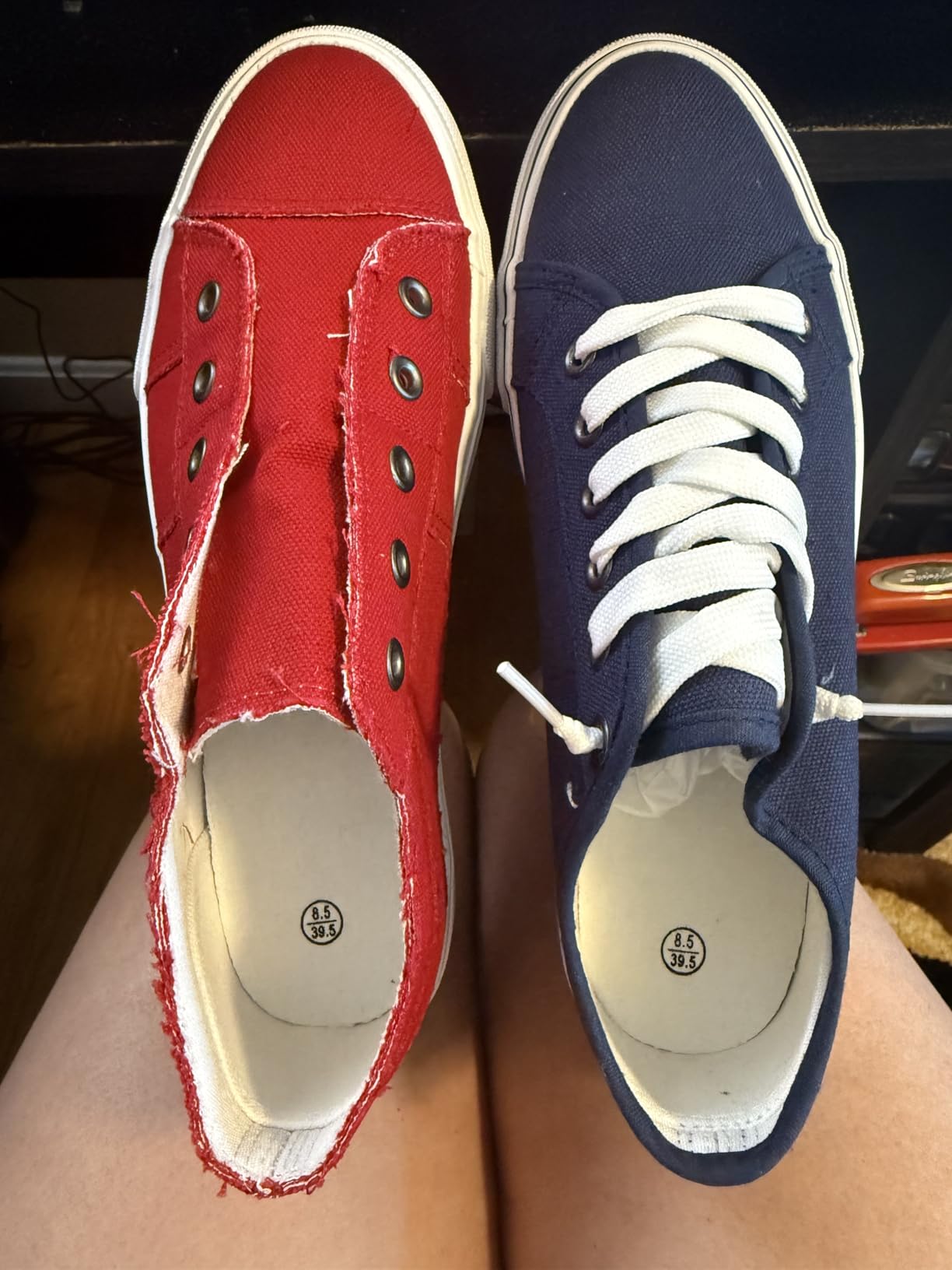
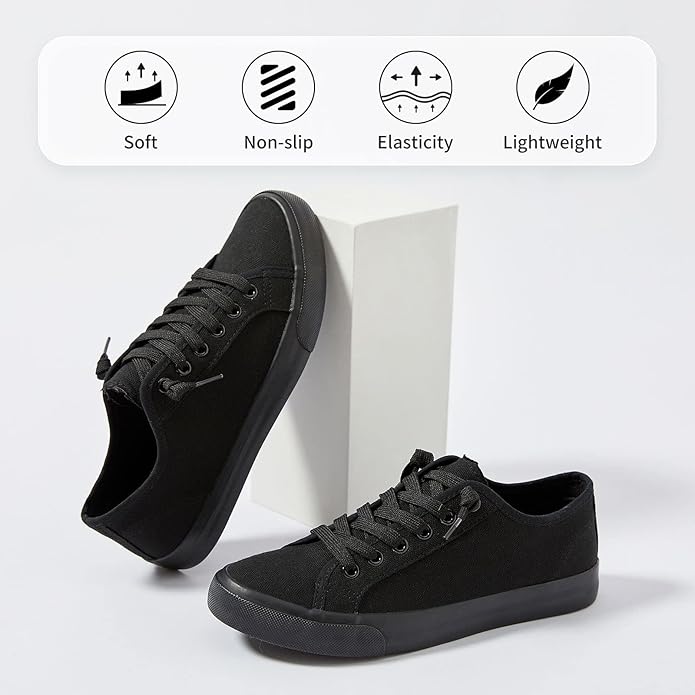
When these arrived, my first thought was about the weight—or rather, lack of it. At 8 ounces per shoe, they’re genuinely lightweight in a way that feels practical for long days on your feet, not just a marketing buzzword. Picking them up, the canvas quality sits right where you’d expect for $40: not premium Converse territory, but decent enough that you’re not embarrassed to wear them.
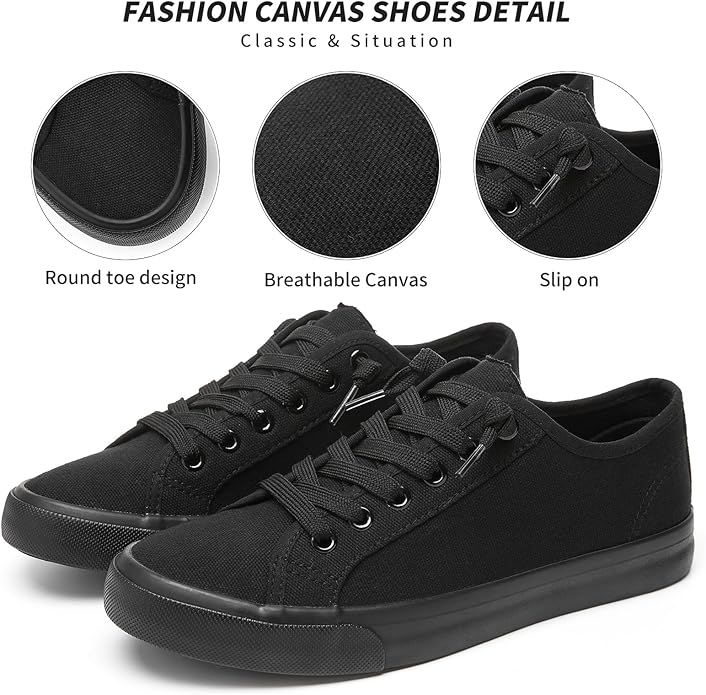
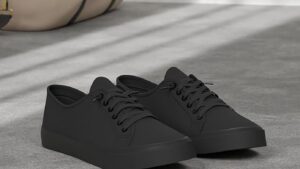
The round toe design and low-top profile are classic for a reason—they work with jeans, dresses, even athleisure if you’re running to Target after yoga class (not that I’m speaking from experience or anything). The memory foam cushioning I could feel just by pressing the insole was a pleasant surprise. Most budget canvas shoes at this price point feel like you’re walking on cardboard.
Then came my first attempt to actually put them on.
The “Slip-On” Reality Check Nobody Warns You About
Here’s where I need to keep it real: the “slip-on” feature is aspirational fiction. There’s an elastic band underneath those decorative laces that creates such a snug fit, getting your foot in requires genuine effort—and probably a shoehorn if you’re trying to preserve the heel counter. I wear a size 8 and ordered my usual size, immediately understanding why so many Amazon reviews mention sizing issues.
The elastic band isn’t doing you any favors for convenience. During the first week, I experimented with loosening the laces all the way, which helped significantly. By week two, the elastic had stretched enough that entry became easier, but these never transformed into actual slip-on shoes. Your hands are getting involved every single time.
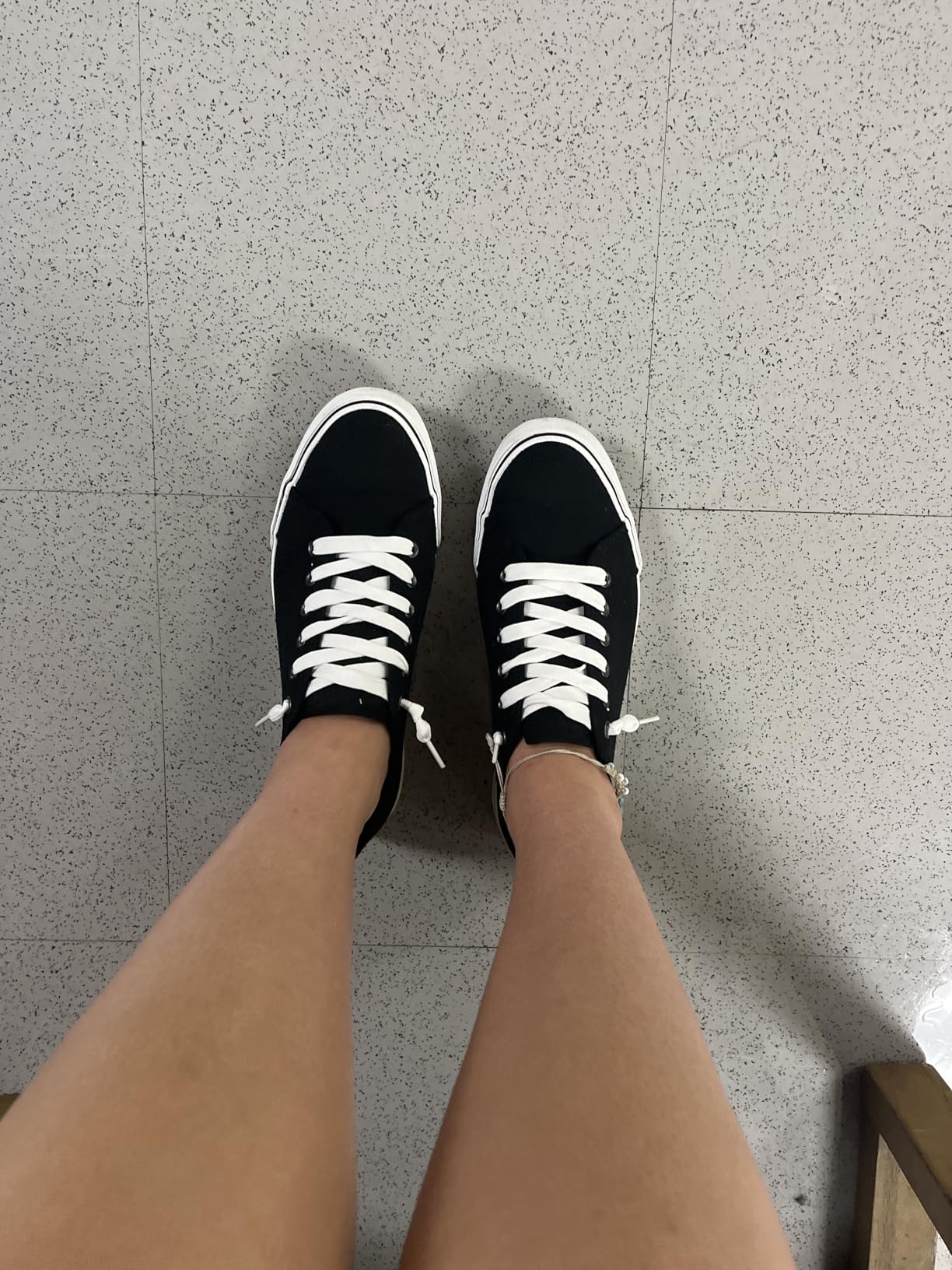
For women with narrow feet, multiple reviewers noted these actually stay put better than traditional slip-on sneakers—no heel slipping. If you have wider feet, the elastic band does accommodate width reasonably well, though you’re still dealing with that initial entry struggle.
Comfort Across Daily Activities: The Four-to-Six-Hour Sweet Spot
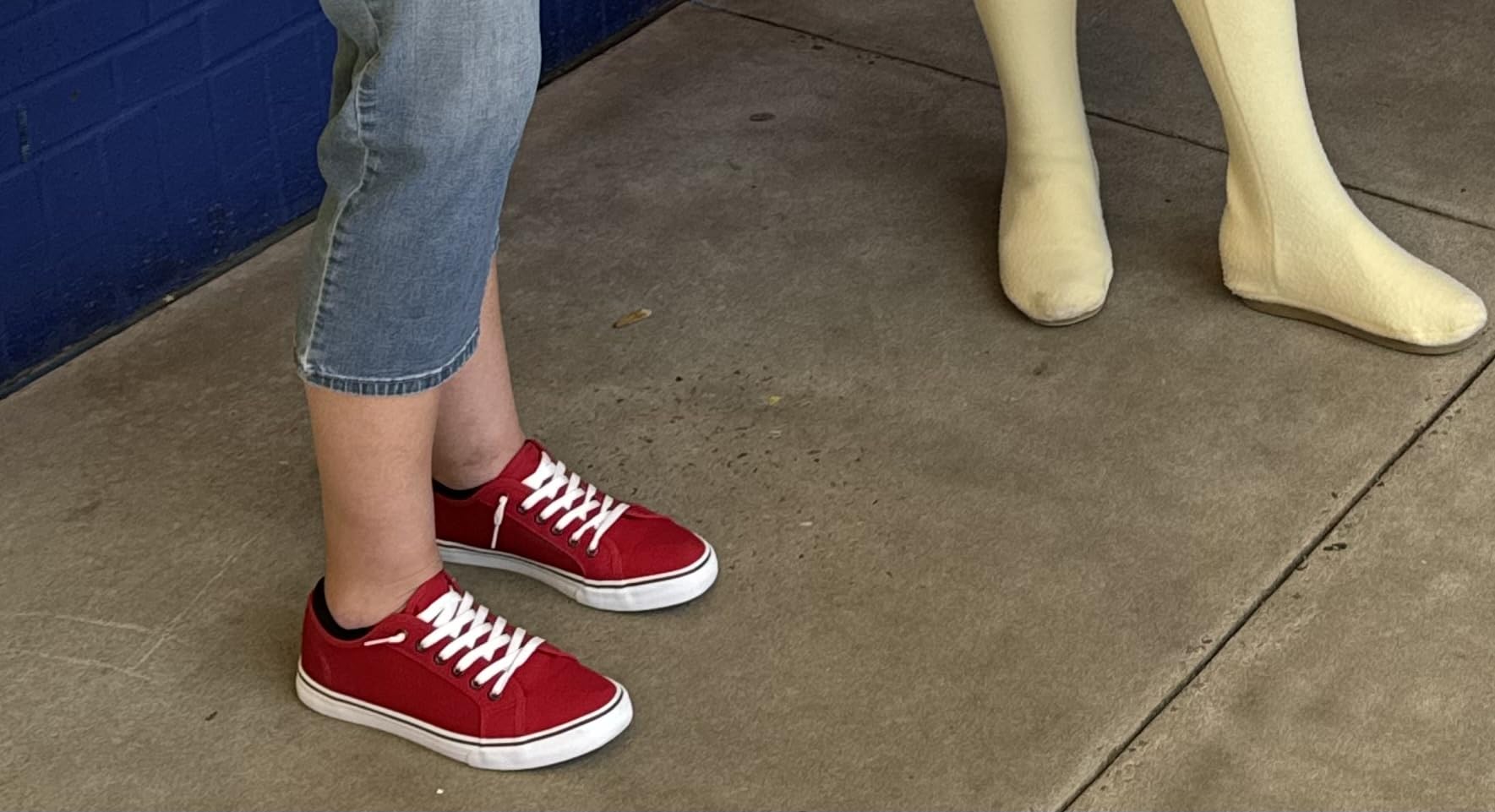
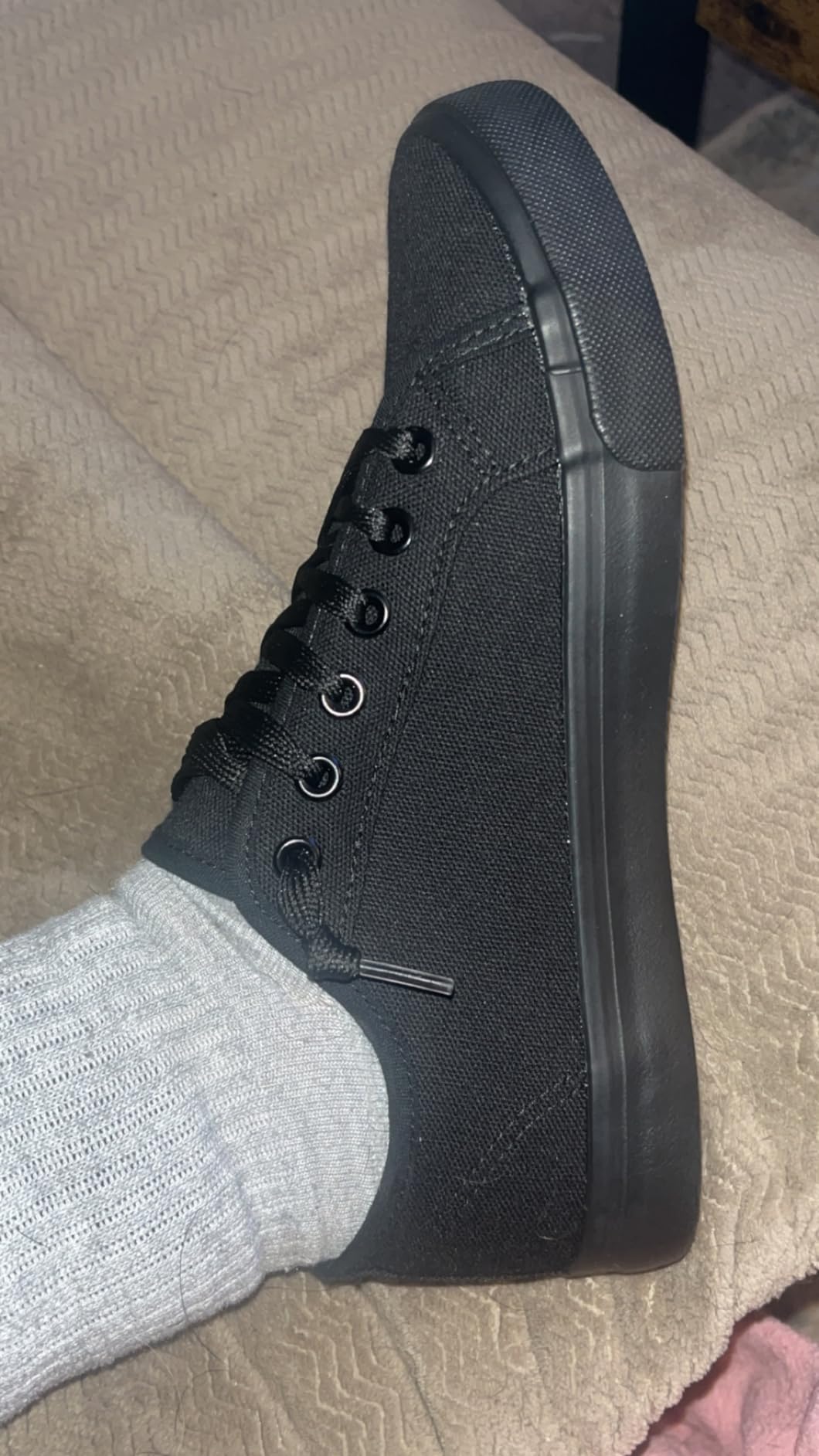
After breaking through that first-week adjustment period, something clicked. For errands that keep you moving for 4-6 hours—school pickup, Target runs, casual work days—these are surprisingly comfortable. The padded interior isn’t just marketing speak; there’s actual cushioning underfoot that you don’t typically find at this price point.
I wore these through various scenarios: grabbing groceries, walking through the mall, standing in line at the post office. The lightweight construction means your feet aren’t fighting the shoe itself. The canvas upper breathes well enough that even on warmer days (testing in 75°F+ weather), my feet weren’t cooking inside.
But around hour six or seven of continuous wear, the reality of that thin insole becomes apparent. The arch support is minimal—fine for casual movement, problematic when you’re standing in one spot for extended periods. I could feel the ground beneath my feet on harder surfaces, and that gentle fatigue started creeping into my arches.
For casual lifestyle wear with mixed sitting and walking, they’re solid. For retail workers, healthcare professionals, or anyone spending full shifts on their feet? The comfort ceiling is too low. Plan for insole swaps if you’re pushing past that 6-hour mark regularly.
The Slip-Resistance Safety Issue: Where Marketing Becomes Dangerous
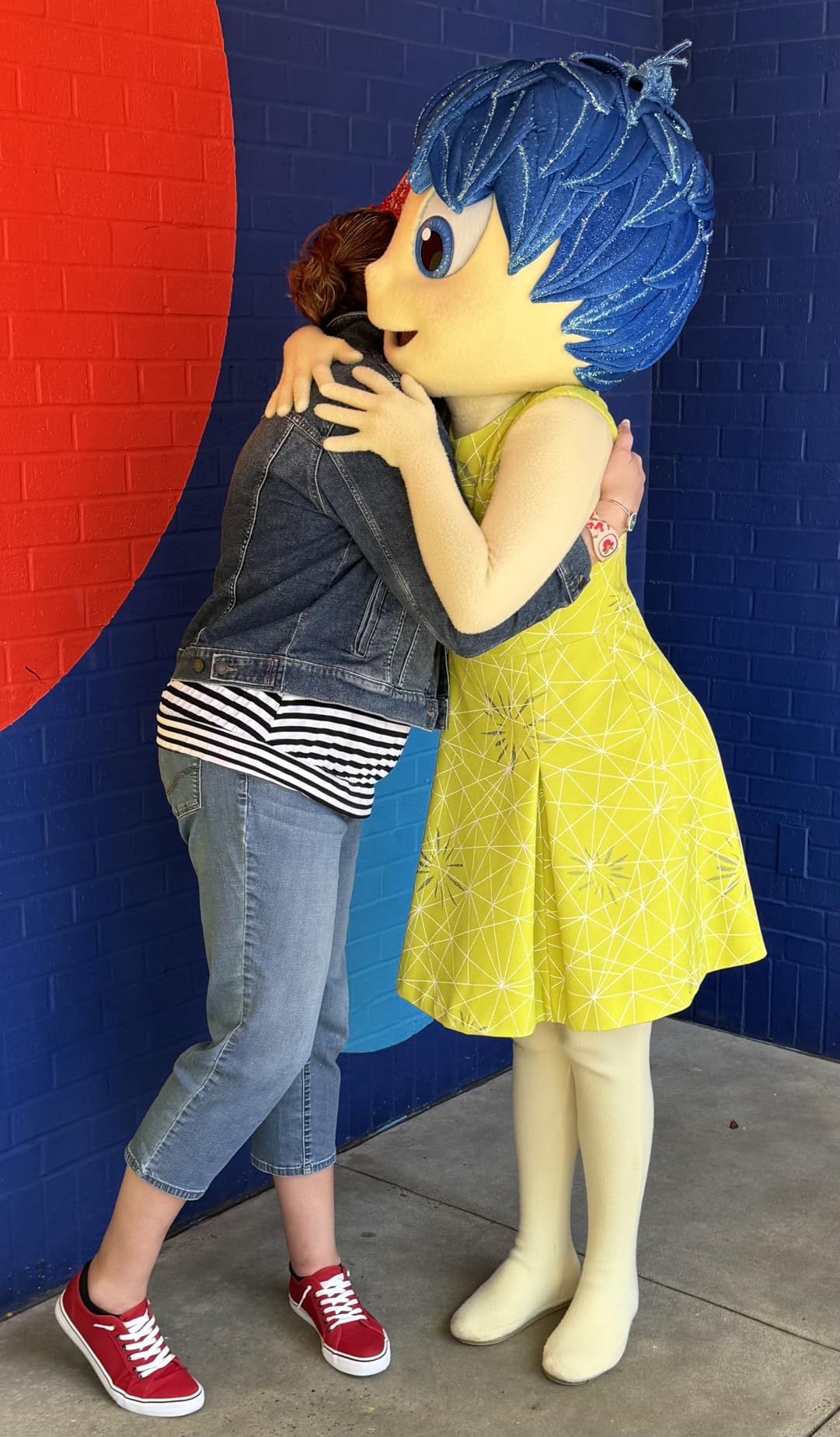
This is where we need to shift gears from “budget shoe quirks” to “legitimate safety concern.” The product listing claims “non-slip soles” and “anti-slip rubber material.” Based on my testing across multiple surfaces, that claim ranges from misleading to outright false depending on conditions.
On dry surfaces—grocery store tile, concrete sidewalks, indoor floors—the rubber sole provides adequate traction. No complaints there. But the moment you introduce moisture, these become unreliable in ways that could genuinely hurt you.
I had a near-slip incident on wet bathroom tile that made my heart skip. The traction just vanished. Testing on wet concrete sidewalk after light rain? Same story—your foot can slide unexpectedly. Multiple Amazon reviewers who work in restaurants or kitchens have reported actual slipping incidents, including one memorable bathroom fall and several near-misses on oily floors.
What’s particularly troubling is that XRH has since added a disclaimer to some listings warning against using these for kitchen work. That tells me they’re aware the “non-slip” claim doesn’t hold up, yet the marketing language persists.
Bottom line on safety: If you work in restaurants, kitchens, healthcare, or any environment where slip-resistance is essential, these are not appropriate footwear despite what the product page suggests. Consider proper slip-resistant work shoes instead. Your safety is worth more than the $40 you’d save.
Durability Testing: What Six Weeks Revealed About Longevity
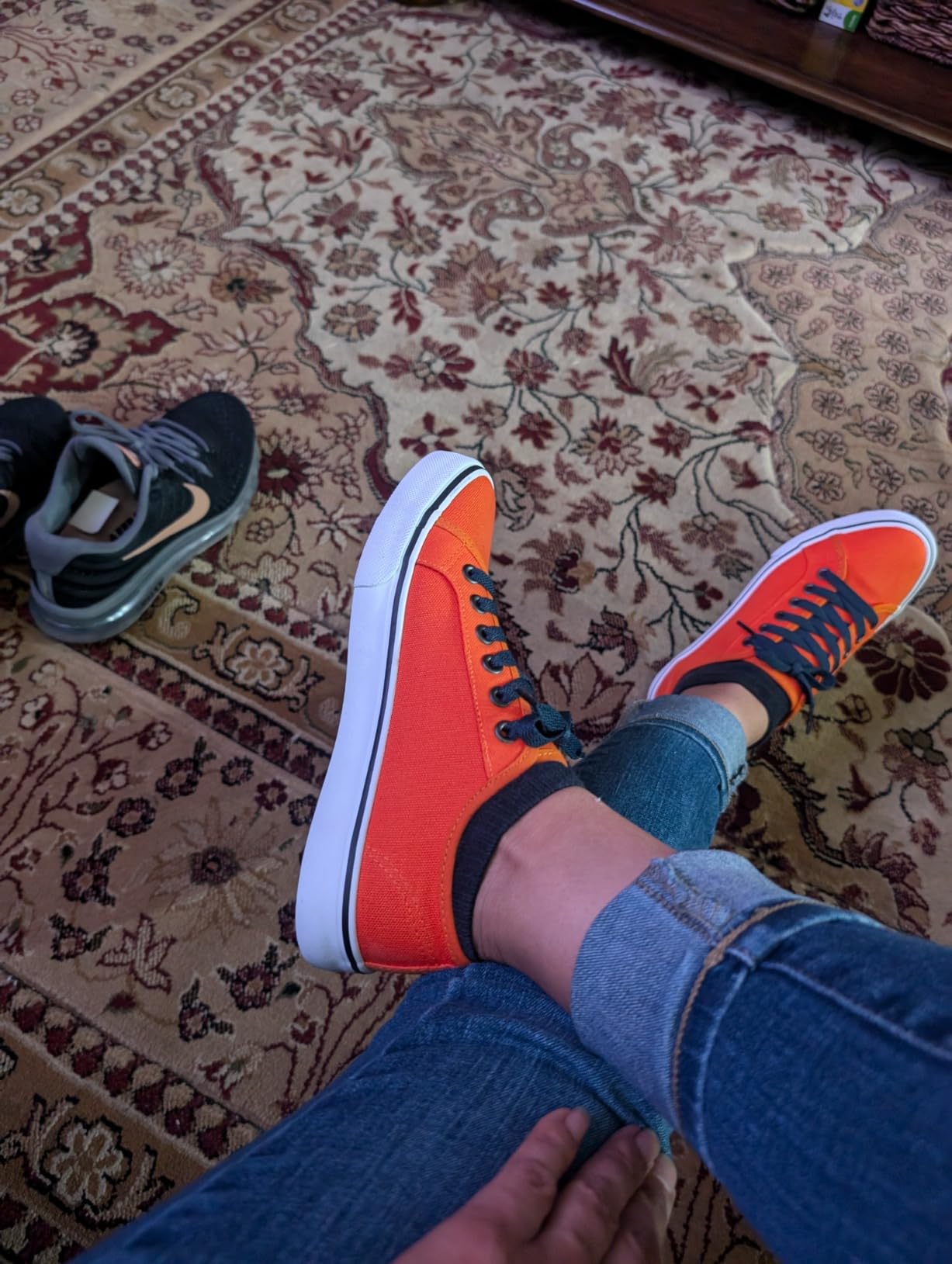
At this price point, expecting premium canvas sneaker durability would be unfair. But it’s worth understanding what “budget construction” actually means for your wallet over time.
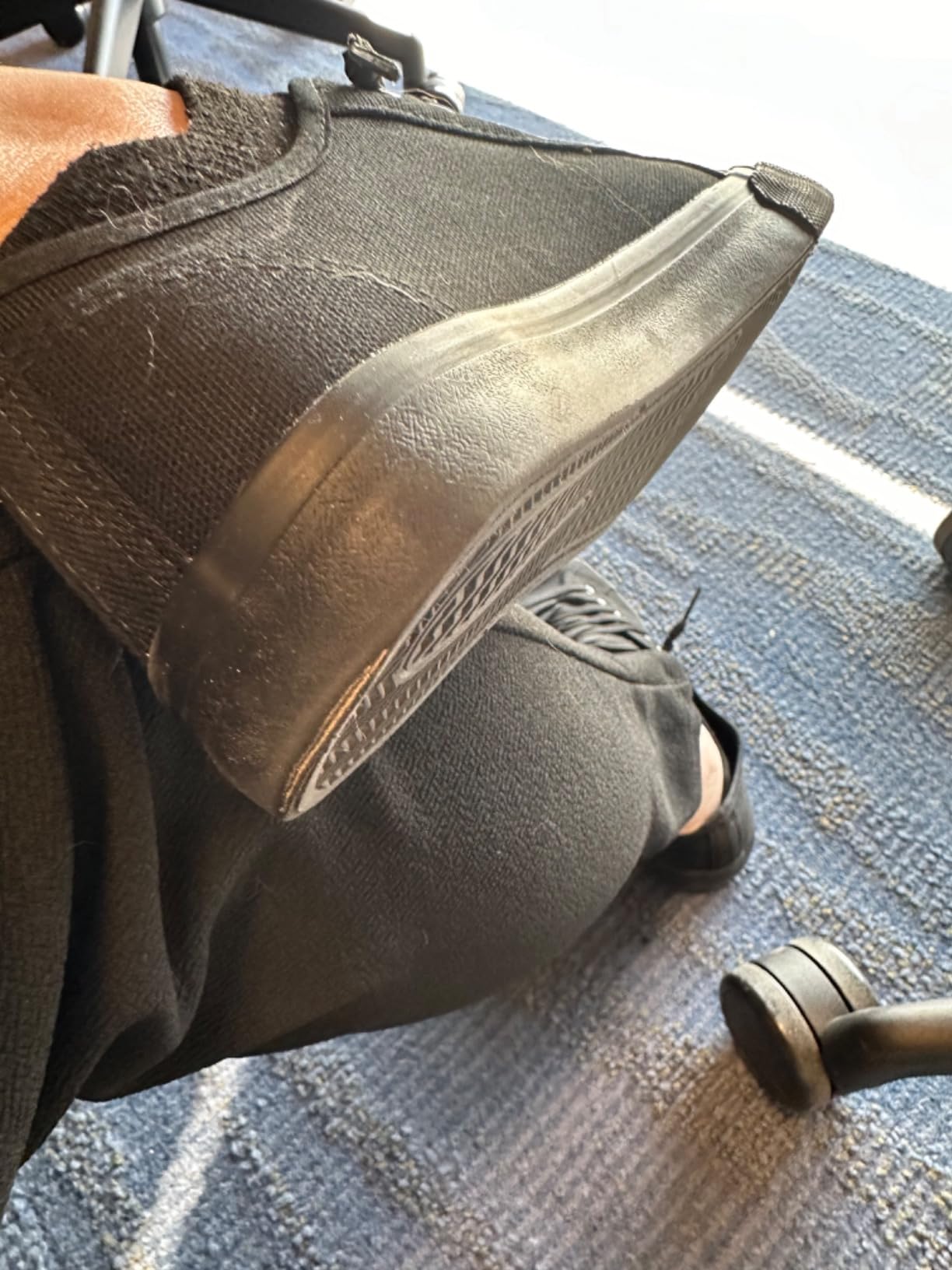
By week four of regular wear (rotating with other shoes, wearing these 3-4 times per week), visible wear marks appeared on the canvas. The toe box showed scuffing where my foot naturally flexes during walking. The areas around the laces started showing slight fraying at the edges where stress concentrates.
The sole wear became apparent around weeks 5-6, particularly on the heel and ball of the foot—the high-friction zones. This isn’t alarming for 6 weeks of testing, but it extrapolates to a clear timeline. Based on the wear rate I observed and comparing notes with other reviewers, here’s the realistic lifespan breakdown:
- Light use (1-2 times per week): 12-18 months
- Regular casual wear (3-4 times per week): 6-12 months
- Heavy daily use (5-7 times per week): 3-6 months
Several Amazon reviewers reported sole separation issues after 3-6 months of regular use, which tracks with the budget-grade adhesive you’d expect at this price tier. If you’re planning to make these your primary daily shoes, factor that replacement timeline into your cost calculations.
Cost-per-month math: At $40 and a 6-month lifespan with regular use, you’re looking at $6.67/month. That’s actually comparable to a $80 shoe that lasts 12 months. The difference is in the comfort arc—premium shoes maintain their cushioning and support longer, while these start declining around month 3-4.
Performance in Real-World Conditions
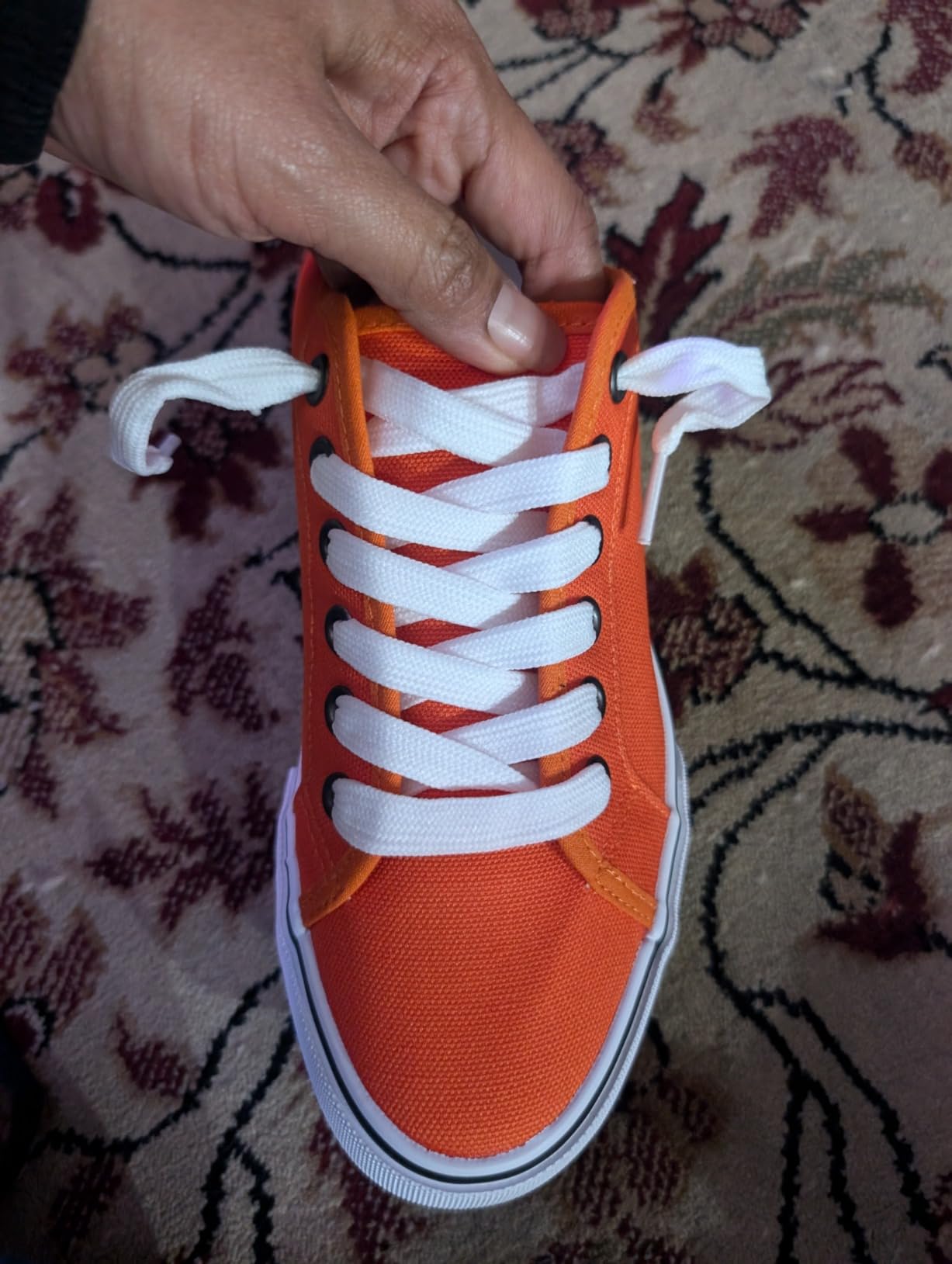
Dry Weather: Where These Actually Shine
In dry conditions, these perform exactly as you’d hope for casual canvas sneakers. The breathability is genuine—the canvas upper allows airflow that keeps your feet comfortable even in warmer weather. I tested these on days pushing 80°F, and while they’re not technical running shoes with engineered ventilation, they don’t trap heat the way synthetic uppers do.
The lightweight construction (8 oz per shoe) makes them easy to wear through long errand days. One Amazon reviewer mentioned walking 21,000 steps at Disney World in these, and while I didn’t hit theme park mileage, I can confirm they handle extended casual walking as long as you’re within that 4-6 hour comfort window.
Wet Weather: Proceed with Extreme Caution
Canvas is canvas—it’s not water-resistant, and these make no pretense otherwise. Light rain for 15-20 minutes and your feet are damp. The canvas absorbs moisture readily, and drying time is hours to overnight depending on how soaked they get.
More concerning is the traction failure I mentioned earlier. On wet surfaces—whether that’s rain-slicked concrete or a bathroom floor after someone’s shower—the rubber sole compound doesn’t grip the way truly slip-resistant shoes do. If you live in a rainy climate or need reliable wet-weather footwear, skip these entirely.
Surface-by-Surface Breakdown
- Dry grocery store tile: Solid traction, no issues
- Dry concrete sidewalk: Reliable grip
- Wet bathroom tile: Near-slip incident, dangerous
- Wet concrete: Noticeably reduced traction, risky
- Light gravel/casual paths: Adequate (not a hiking shoe, but handles basic terrain)
Marketing Claims vs. Reality: The Honesty Report
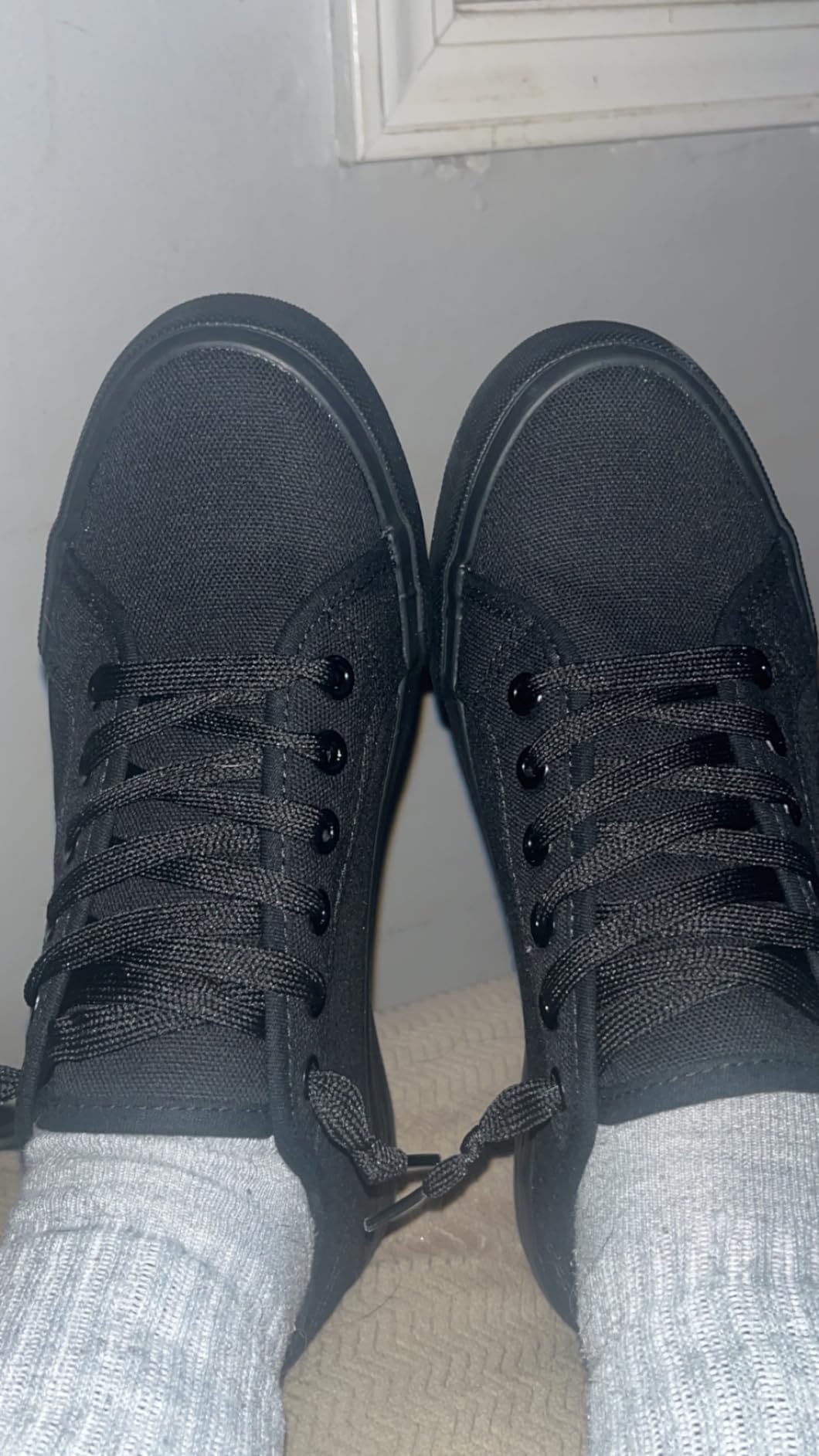
Let’s fact-check what XRH promises against what they actually deliver:
Claim: “Breathable Canvas Upper”
Reality: TRUE. The canvas allows genuine airflow. Tested in warm weather, feet stayed comfortable without the stuffiness you get from synthetic materials. This claim holds up.
Claim: “Non-Slip Soles”
Reality: FALSE/DANGEROUS. Adequate on dry surfaces, fails dangerously on wet conditions. This is the most problematic claim—it positions these as appropriate for work environments when they’re absolutely not safe for kitchens, restaurants, or any wet-floor setting. The fact that XRH added disclaimers after user feedback tells you they know the original claim misleads buyers.
Claim: “Slip-On Convenience”
Reality: MISLEADING. The elastic band underneath the decorative laces creates a tight fit that requires effort to overcome. These are not slip-on shoes in any practical sense. Week one is particularly frustrating, and even after the elastic stretches, you’re still using your hands every time.
Claim: “Comfortable for Daily Wear”
Reality: CONDITIONALLY TRUE. For 4-6 hour casual sessions, yes—they’re comfortable. Beyond that timeframe or for jobs requiring extended standing, the thin insole and minimal arch support become problems. The claim works for their target audience (casual lifestyle wearers) but fails for daily work-shoe use.
Claim: “Durable Canvas Construction”
Reality: APPROPRIATE FOR PRICE. They’re not built like Converse or Vans that last multiple years, but expecting that at $40 would be unfair. The 6-12 month lifespan with regular use is honest budget-tier durability. You get what you pay for here.
Sizing: The Guidance Nobody Seems to Agree On
This is where things get confusing. XRH’s official guidance says “if you’re between sizes, order larger.” Based on my testing and cross-referencing with dozens of Amazon reviews, that advice is backwards.
These run 0.5 to 1 full size large. The combination of the elastic band and the loose canvas upper creates extra length that most wearers don’t need. I wear a size 8 in most brands and ordered my usual size—they felt long enough that sizing down half a size would have been smarter.
Sizing Decision Guide:
- Standard width feet: Order 0.5 size down (conservative approach) or your true size if you prefer roomy fit
- Narrow feet: Size down 1 full size to prevent heel slipping
- Wide feet: The elastic band accommodates width, so size down 0.5 for length while letting the elastic handle the width
- Very wide feet: True to size might work, as the elastic provides flexibility
The first week will feel snug across the top of your foot regardless, but that elastic does stretch. Loosening the decorative laces helps during the adjustment period.
Value Assessment: Who Actually Gets Their Money’s Worth?
At $40-45, these occupy interesting territory. They’re cheaper than Keds Champion ($55+) or Vans slip-ons ($65+), but not by a massive margin. The question becomes whether that $15-25 savings justifies the trade-offs in durability and comfort longevity.
Who gets solid value:
- Rotating shoe collectors: If you’re wearing these 1-2 times per week as part of a larger rotation, the 12-18 month lifespan makes the cost-per-wear reasonable (~$0.15-0.30 per wear)
- Seasonal wearers: Spring/summer casual shoes that you’re not relying on year-round
- Budget-conscious families: Kids outgrow shoes quickly; adults who need affordable options for occasional wear
- Color variety seekers: Multiple color options let you match different outfits without investing $60+ per pair
Who should invest more elsewhere:
- Daily work wearers: At 3-6 months lifespan with heavy use, you’re replacing these 2-4 times per year ($120-180 annual cost) versus buying one $80 pair that lasts 12-18 months
- Extended standing jobs: Healthcare workers, retail employees—the comfort ceiling is too low for 8-10 hour shifts
- Wet climate residents: The combination of poor wet traction and water absorption makes these impractical for rainy environments
- Anyone needing slip-resistance: Kitchen workers, restaurant staff—the safety risk isn’t worth the savings
Performance Scoring & Final Verdict
| Category | Score (1-10) | Notes |
|---|---|---|
| Initial Comfort | 7.0 | Week-one adjustment needed, improves after elastic stretches |
| Long-term Comfort | 6.0 | Ceiling at 6 hours, arch support minimal for extended wear |
| Style & Versatility | 8.0 | Classic design works with casual wardrobes, multiple colors |
| Durability | 5.0 | Budget-appropriate 6-12 month lifespan, visible wear by week 4 |
| Slip Resistance | 3.0 | Dangerous on wet surfaces—NOT work-appropriate |
| Value for Money | 7.0 | Fair pricing for casual rotation, poor for daily heavy use |
| Overall Rating | 6.0/10 | Acceptable budget option with critical safety limitations |
The Bottom Line
The XRH Women’s Canvas Slip-On Sneakers deliver reasonable value for light casual wear, with genuine lightweight comfort and breathability at a budget-friendly price. The memory foam cushioning is a pleasant surprise, and for errands and social activities within that 4-6 hour sweet spot, they perform adequately.
However, three critical issues prevent a higher recommendation: (1) the “slip-on” marketing is misleading—these require effort every time; (2) the slip-resistance claim is dangerously false on wet surfaces; and (3) sizing runs large despite brand guidance saying otherwise.
If you understand these limitations going in—that you’re buying cute shoes for occasional light use, not work-appropriate or year-round footwear—they can serve a purpose in a rotating casual shoe collection. Just please, don’t wear them where slip-resistance actually matters. Your safety isn’t worth the $40 you’d save.
Who Should Buy (And Who Should Absolutely Skip)
Perfect For:
- Women needing budget-friendly casual sneakers for light, occasional wear (1-3 times per week)
- Students building an affordable shoe rotation for campus life
- Anyone wanting cute shoes for errands and social activities without major investment
- Women with wider feet who struggle finding comfortable options at this price point (elastic band accommodates well)
- Dry-climate dwellers who value breathability and won’t encounter wet conditions regularly
- Those who rotate multiple pairs and won’t be wearing these daily
Skip If You:
- Work in restaurants, kitchens, healthcare, or any environment where slip-resistant shoes are essential for safety
- Need shoes for daily work wear or jobs requiring 8+ hours on your feet
- Want shoes lasting more than 12 months with regular use (budget construction won’t deliver)
- Require serious arch support or have foot health conditions needing structured insoles
- Live in rainy climates—the combination of poor wet traction and water absorption is problematic
- Expect true slip-on convenience (the elastic band requires effort regardless of break-in)
Better Alternatives for Specific Needs
For work environments requiring slip-resistance: Skechers Work series (ASTM-certified), Skechers Nampa Food Service, or other brands with genuine safety ratings. Your safety justifies the extra $30-50.
For better durability at similar style: Keds Champion ($55), Keds Kickstart ($60), or Vans Filmore ($65)—the extra $15-25 gets you 12-24 month lifespan versus 6-12 months.
For serious comfort needs: Skechers Go Walk Arch Fit ($90), Merrell Bravada 2 ($100), or other dedicated comfort brands if you’re on your feet professionally. The upfront cost pays off in reduced fatigue and longer replacement cycles.
For wet climates: Look for canvas shoes with water-resistant treatments or pivot to different materials entirely (Merrell Bravada 2 Waterproof, Columbia Redmond Waterproof casuals).
Frequently Asked Questions
Do these really slip on easily like the name suggests?
No. Despite “slip-on” in the product name, the elastic band underneath the decorative laces creates a snug fit that requires effort to overcome every single time. Week one is particularly tight, and while the elastic stretches somewhat by week two, these never become true slip-on shoes. If you need genuine slip-on convenience, consider Skechers Go Walk Joy or Skechers Hands Free Slip-Ins instead.
Are they actually slip-resistant for work like the listing claims?
Absolutely not—and this is a serious safety concern. While traction is adequate on dry surfaces, these become dangerously slippery on wet tile, wet concrete, or oily floors. Multiple reviewers working in restaurants and kitchens have reported slipping incidents. XRH has even added disclaimers warning against kitchen use. If you need slip-resistant shoes for work, invest in properly certified safety footwear.
How’s the sizing? Should I follow the brand’s advice to “order larger”?
The brand guidance is backwards based on my testing and Amazon review consensus. These run 0.5 to 1 full size LARGE. Most wearers should size down at least half a size. For standard width feet, order 0.5 down; for narrow feet, go down a full size to prevent heel slipping; for wide feet, size down 0.5 while the elastic handles width. Don’t follow the “order larger” guidance—it’ll leave you with shoes that are too long.
How long do they typically last with regular wear?
Based on my 6-week testing and community reports, expect 6-12 months with casual regular use (3-4 times per week). Light use (1-2 times weekly) could stretch to 12-18 months. Heavy daily wear shortens that to 3-6 months. Canvas wear marks appear around week 4, and sole separation becomes a risk after month 6-8 with frequent use. Budget accordingly.
Are they comfortable for all-day wear, like 8-10 hour workdays?
Not for extended standing or intensive work shifts. The comfort ceiling hits around 6-8 hours, and that’s with mixed sitting/walking. The thin insole and minimal arch support make these unsuitable for retail workers, healthcare professionals, or anyone spending full shifts on their feet. For casual errands and social activities in the 4-6 hour range, they’re fine.
What’s the best way to break them in?
Loosen the decorative laces all the way during week one—this significantly reduces the tight feeling from the elastic band. Wear them for 2-3 hour sessions initially rather than jumping into full days. By week two, the elastic stretches enough that entry becomes easier (though still not slip-on easy). Don’t expect a dramatic transformation; the adjustment is more about your technique and the elastic relaxing slightly.
Can I machine wash these canvas shoes?
While canvas typically handles machine washing on gentle cycles, the budget construction here makes me cautious. The elastic band and adhesive holding the sole could deteriorate faster with machine agitation. Hand washing with mild soap and air drying is the safer bet if you want to maximize their already-short lifespan. Definitely avoid hot water and the dryer.
Do they work well for wide feet?
Yes, surprisingly—the elastic band provides flexibility that accommodates wider feet better than you’d expect at this price point. However, you still need to address the length issue (they run large). For wide feet, order your true size or size down 0.5, and the elastic will handle the width while preventing excess length. This is actually one of the shoe’s strengths relative to other budget canvas options.
Be the first to review “XRH Women Canvas Sneaker Slip On Non Slip Casual Shoes”
Related products
Sneaker
Sneaker
Sneaker
Sneaker
Reviews
There are no reviews yet.