
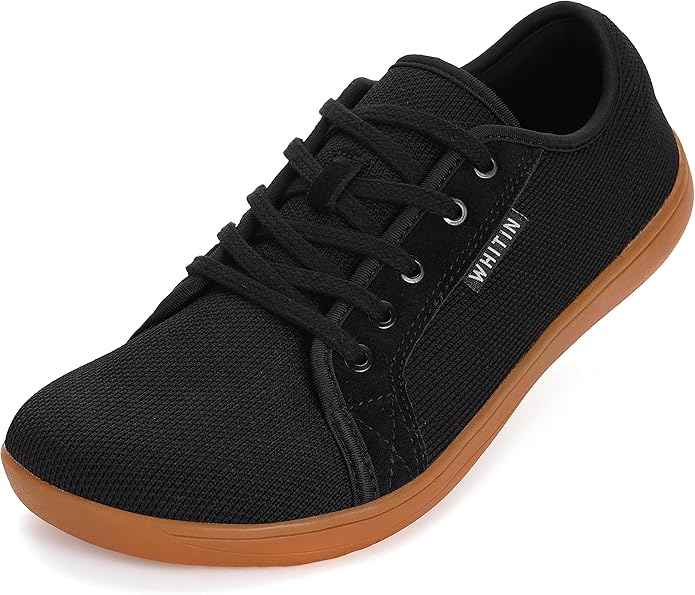
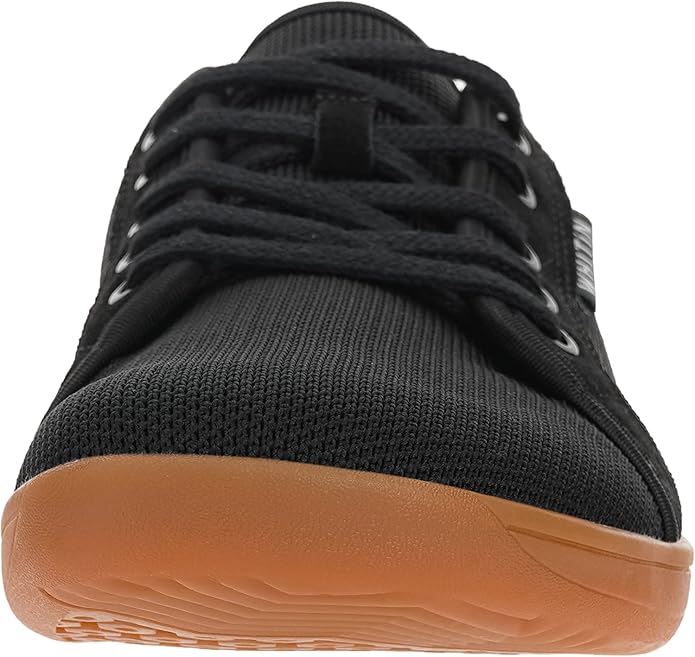
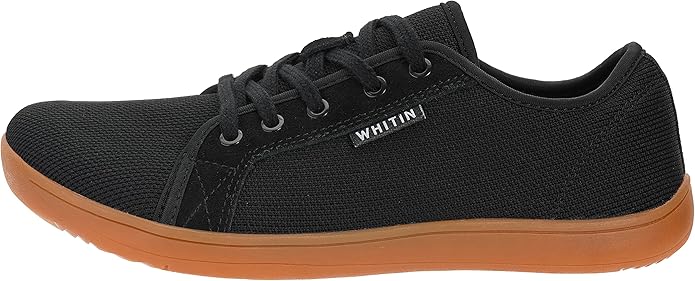
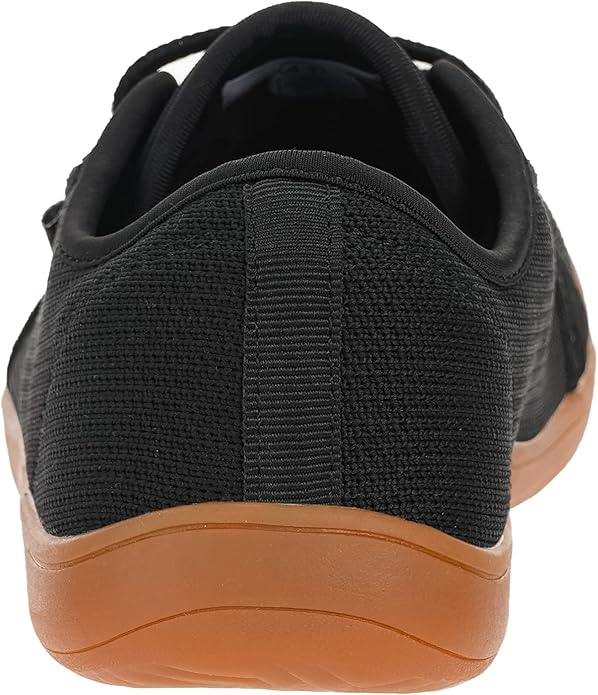
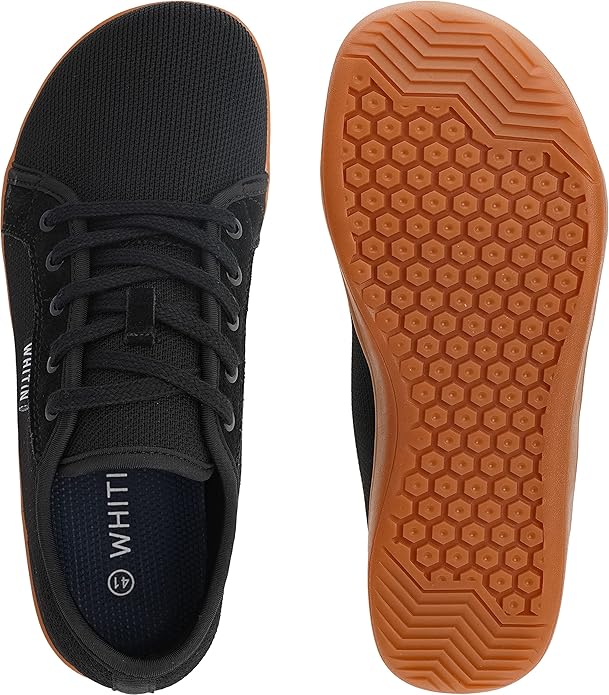
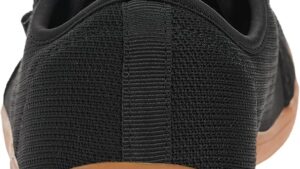
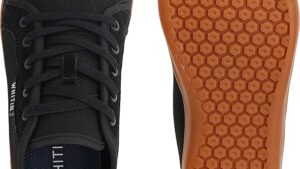
WHITIN Men’s Wide Minimalist Barefoot Sneakers
$42.99
- ⚖️ Weight: 7.2–8.2 oz (men’s size 9–10, single shoe)
- 📏 Drop: 0mm (true zero drop)
- 📐 Stack height: 5mm heel / 5mm forefoot
- 🧪 Insole: 5mm POWER FOOTBED (removable)
- 👟 Upper: Engineered knit mesh
- 🔩 Eyelets: Metal (not plastic)
- 🏃 Category: Minimalist lifestyle / training
My gym shoes gave up during a deadlift warmup — sole peeling mid-session, 14 months after I bought them. I’ve been lifting for 15 years and I’ve killed enough pairs of shoes to know the cycle. So when the WHITIN barefoot sneakers started appearing in my Amazon recommendations, I figured I’d either confirm they were overrated $40 junk or accidentally find my next go-to training shoe. Eight weeks, 45+ sessions, and one unexpected PR later — here’s the honest version of what happened.
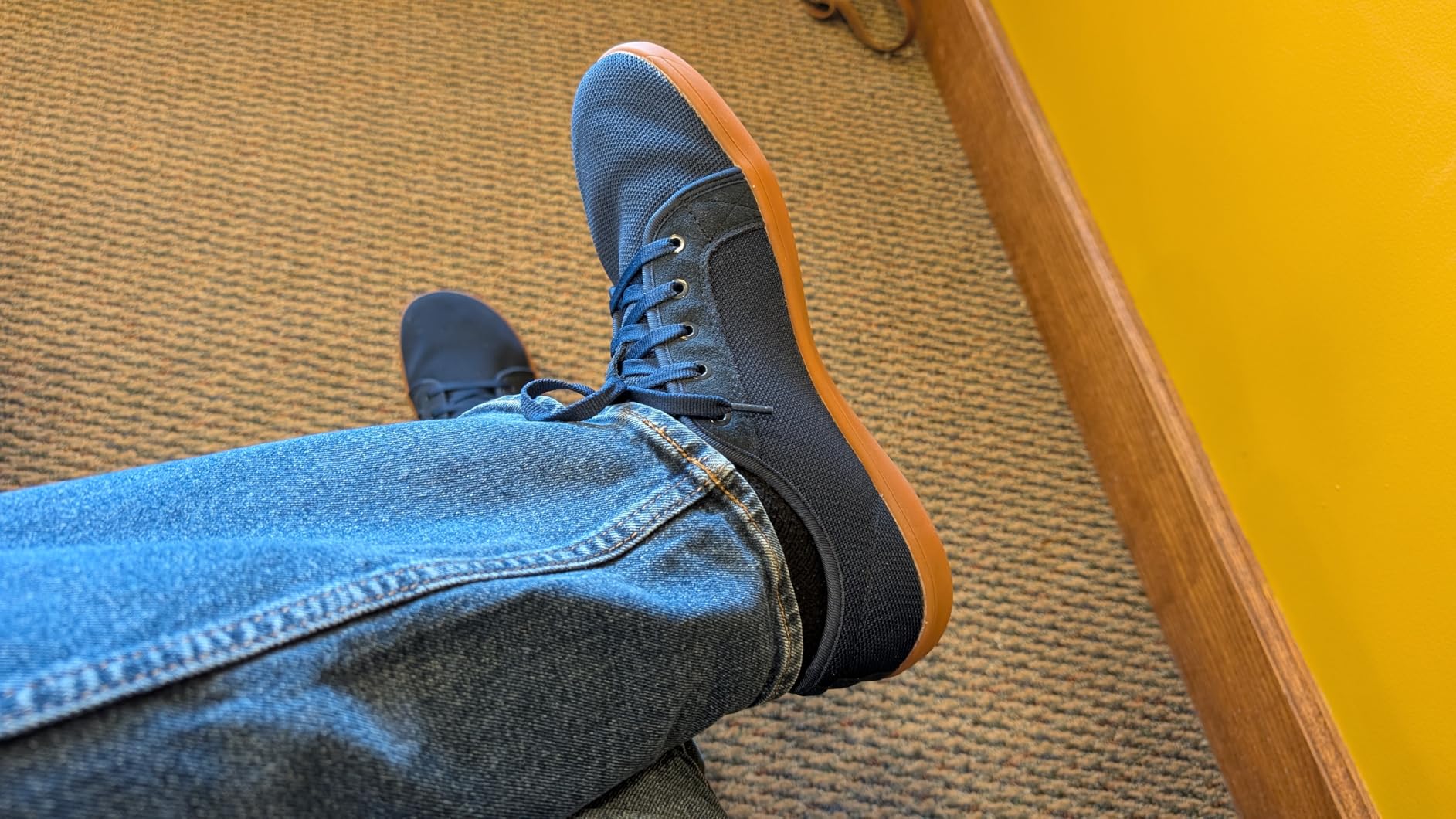
First Impression: The Toe Box That Changes Your Perspective
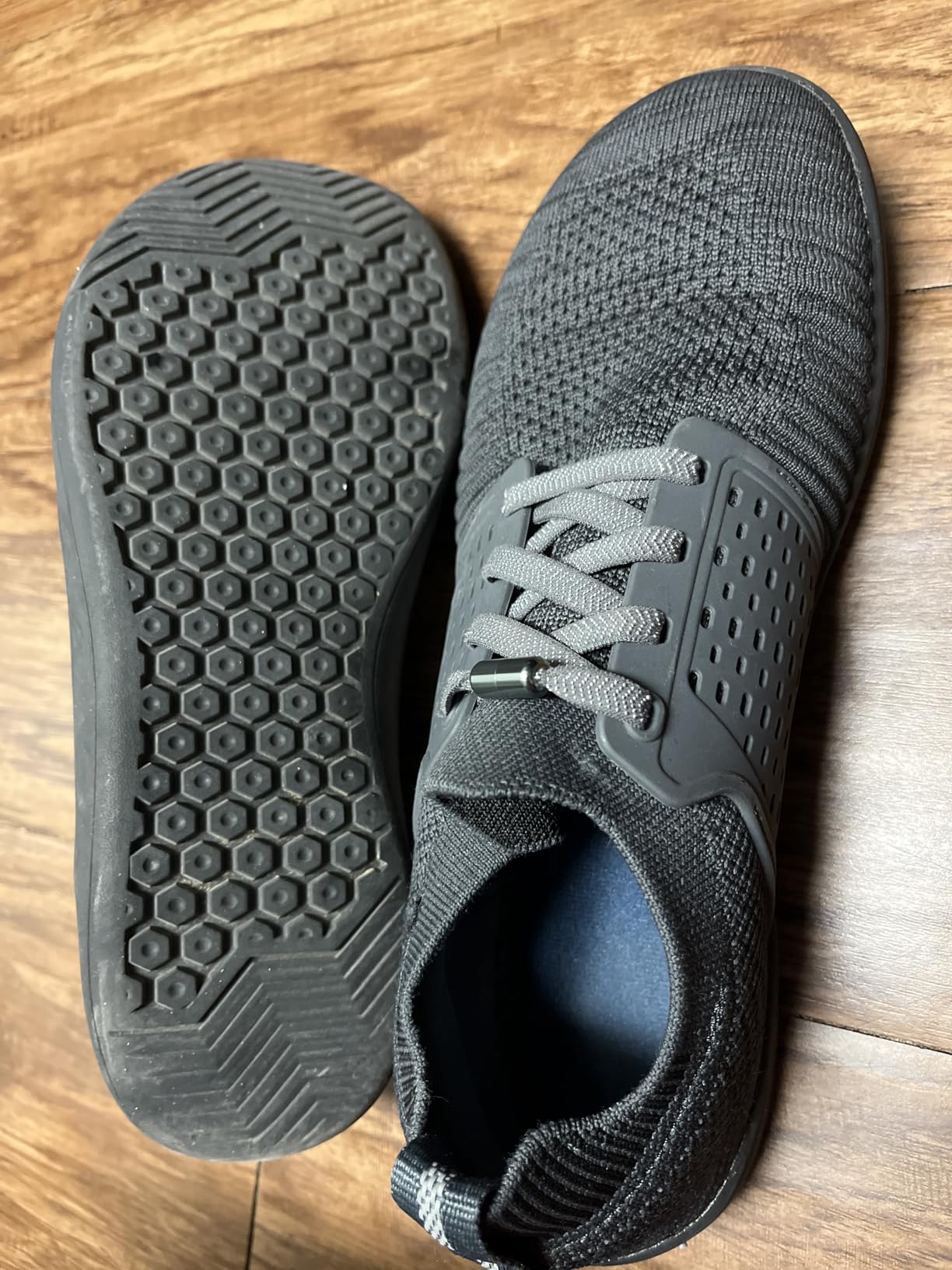
Pull these out of the box and the first thing you notice isn’t the colorway or the construction — it’s the width. These are conspicuously, almost aggressively wide at the toe end. My first thought was that Amazon had shipped the wrong size. My second thought, about five minutes after putting them on and walking around, was that every shoe I’d worn for the past decade had been quietly compressing my feet.
That’s not marketing copy. The toe box on these genuinely lets your toes spread out rather than stack. If you’ve spent years in regular athletic shoes, that sensation is strange at first — and then immediately preferable.
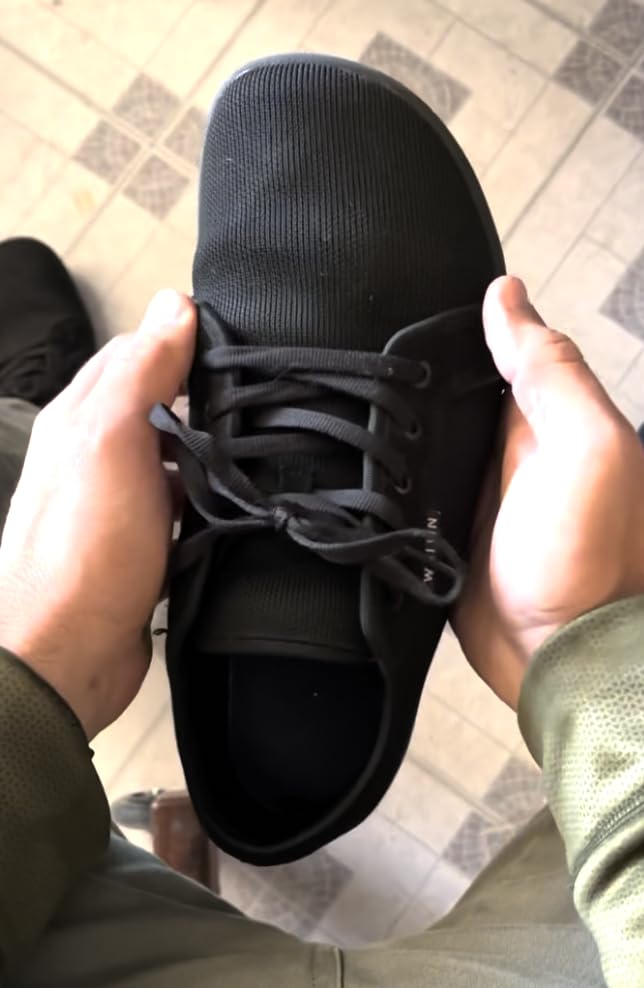
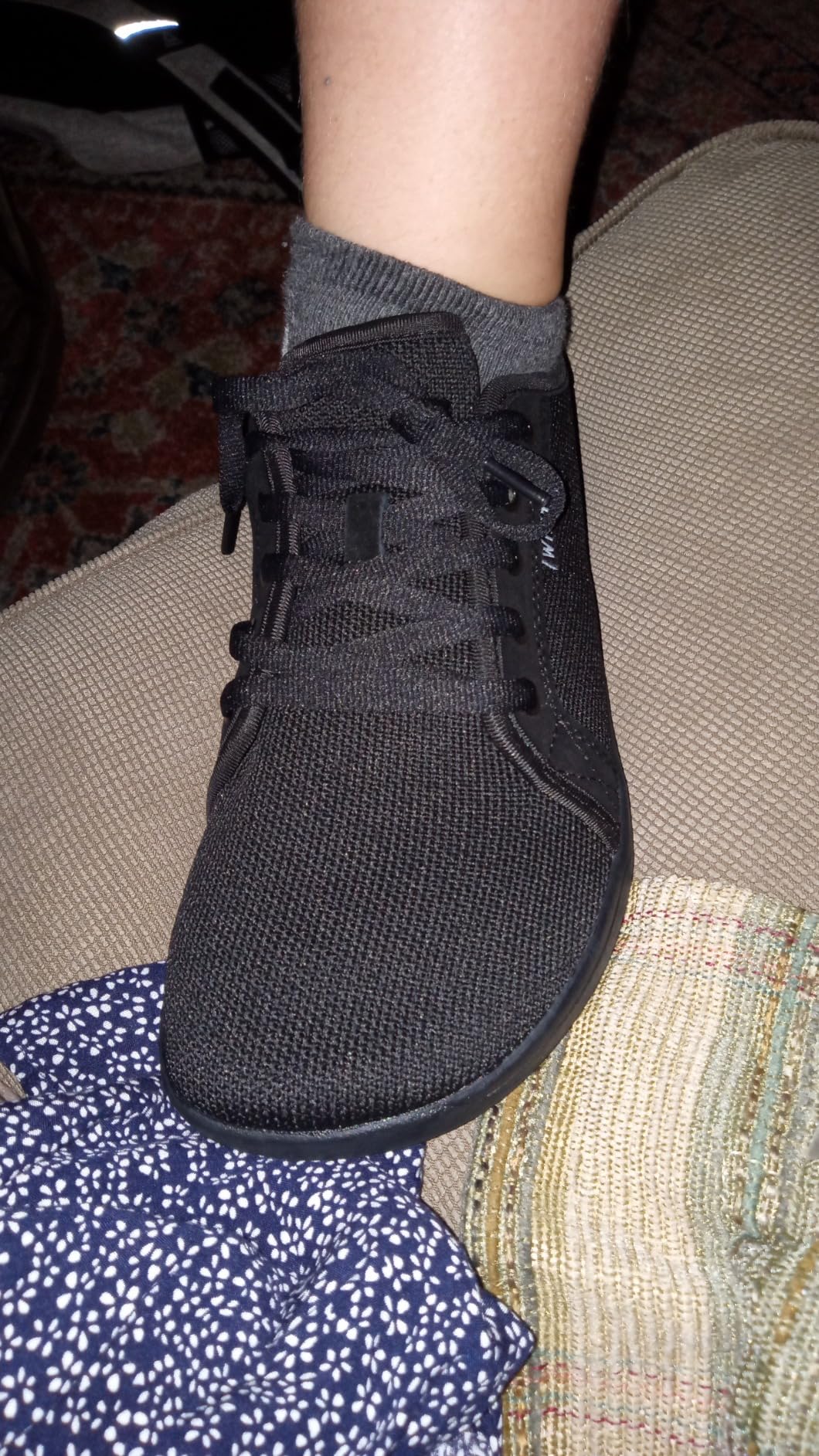
The build quality held up better than I expected for $40. The engineered knit mesh is substantial without being stiff — not the thin fabric that pills after two months, but not the premium woven uppers on $150 barefoot shoes either. It occupies a reasonable middle ground for the price. Stitching is clean throughout; the glue joint between sole and upper was solid on unboxing, with no visible gaps or separation. I’ve unboxed $100+ sneakers with worse assembly.
The metal eyelets are a small detail that signals some actual thought went into this construction. Plastic eyelets are the typical budget shoe failure point — they crack or pull out under repeated lacing stress. Metal ones hold. The laces themselves have reasonable weight; they actually stay tied through a full session.
One thing to note during break-in: the tongue migrates slightly sideways for the first week. It’s minor, not uncomfortable, and it stops happening once everything conforms to your foot. By week two, you stop noticing it.
Sizing: Size Down Half a Step
These run approximately half a size large. I wear a 10.5 in Nike and Adidas; the size 10 WHITIN fit correctly with appropriate toe clearance. Don’t try to map your current shoe size directly onto this — the last shape is different enough that brand-to-brand guessing leads to errors. Measure your foot length in inches, use WHITIN’s sizing chart, and if you’re between sizes, go down rather than up.
If you’re shopping the WHITIN Men’s Wide Barefoot range and considering multiple models, note that sizing can vary between their different silhouettes — always check the individual listing chart rather than assuming consistency across their catalog.
The Zero Drop Transition: Week by Week
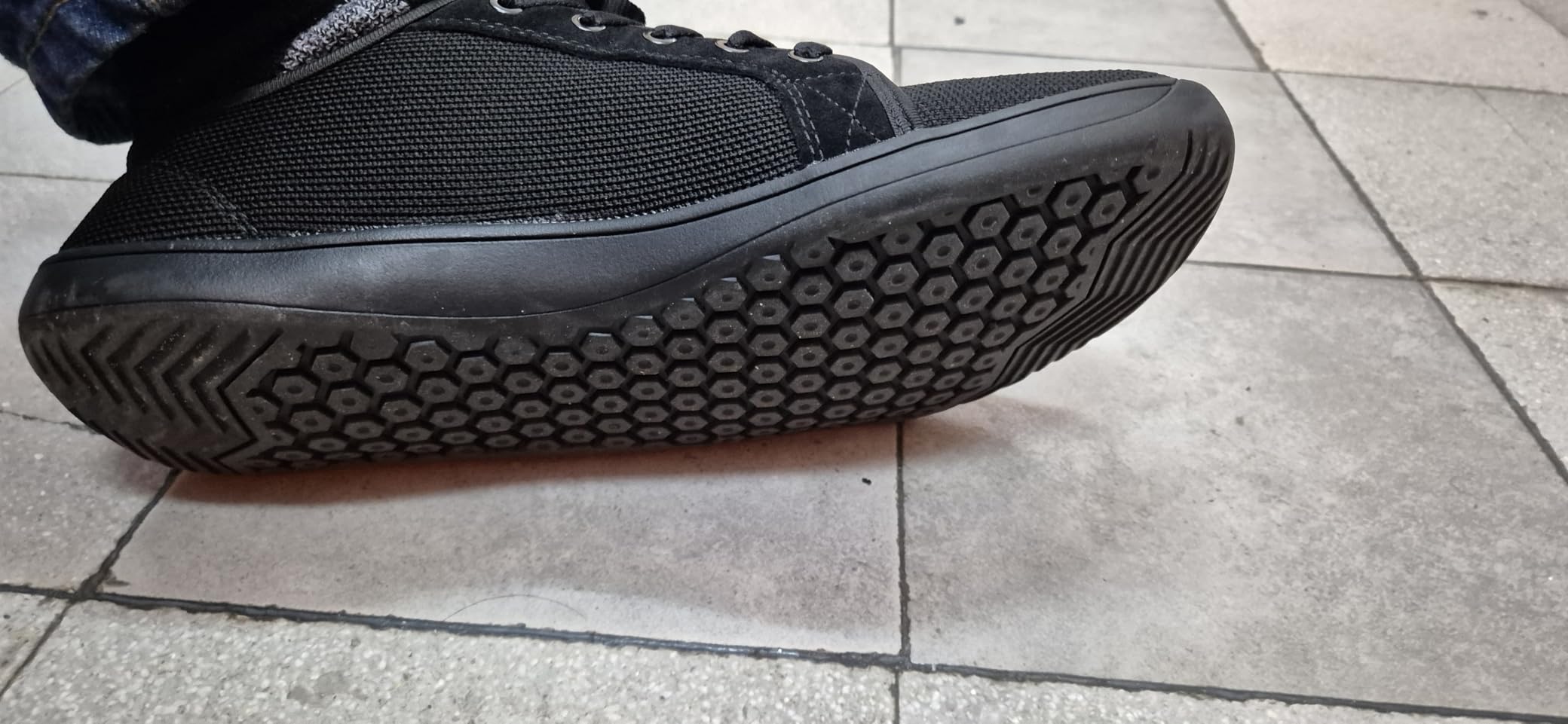
Zero drop shoes require an adjustment period, and the word “adjustment” doesn’t fully communicate what that means until you’re three days into your first week with calves that are sore from what had been a completely routine push/pull session.
Here’s the mechanical reality: when you’ve spent years in heeled shoes — including most athletic shoes, which have 8–12mm of drop — your Achilles tendon and calf complex adapts to a shortened range. Zero drop forces those tissues to work through their full range of motion again. The soreness is predictable and temporary. It’s recalibration, not damage.
Week 1: Calf soreness arrives by day three. Tongue slides around. Every movement feels slightly unfamiliar. Don’t push through eight-hour days immediately. Wear them for your gym session, then change shoes. Give your lower leg time to adapt.
Week 2: The soreness clears. Squat depth starts feeling more natural without consciously thinking about it. The proprioceptive feedback through the thin sole stops feeling like too much information and starts feeling like useful data.
Week 3: Things click. Deadlifts feel planted in a way that’s hard to describe until you’ve experienced it. The lower back tightness I’d been accumulating from standing all day at work essentially stopped. I hit a new deadlift PR that week — I can’t prove the shoes caused it, but my hip hinge was moving better than it had in months.
The 5mm of sole material under your foot is primarily protective rubber, not cushioning. On smooth gym floors, the feedback is clean and excellent. On rough outdoor concrete or gravel, you’ll feel surface texture you’d normally never notice. Once you adapt — typically by week four — that additional sensory input stops being intrusive.
If you want to ease the transition, start with the removable insole in place, then remove it around week three to four for progressively more ground contact. The Sof Sole Athlete Insoles also fit this shoe for anyone who needs more arch support during the adjustment phase.
Gym Performance: The Core Strength of These Shoes
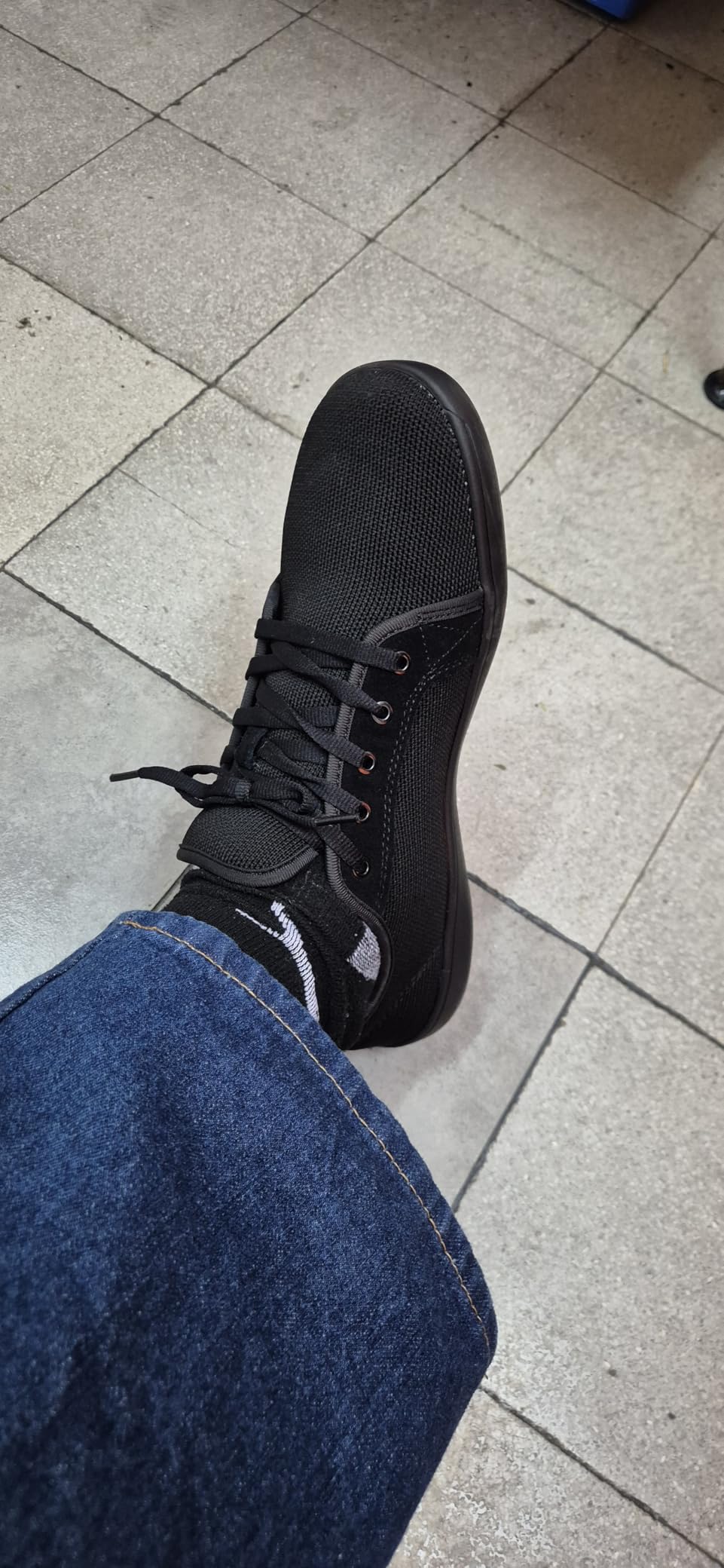
For weight training, these are genuinely excellent. The wide toe box lets your foot splay naturally at the base, which gives you a broader, more stable platform for squat-pattern and hip hinge movements. The zero drop maintains spinal neutrality automatically — there’s no forward lean bias baked into the sole geometry the way there is with heeled training shoes.
The thin outsole provides real-time weight distribution feedback during heavy lifts. During deadlifts, you can feel if your pressure is migrating away from your heel; during squats, you notice if your weight is rolling to the outer edge at the bottom position. That information is immediately useful for form correction, and it’s something you simply don’t get with an inch of compressed foam between your foot and the floor.
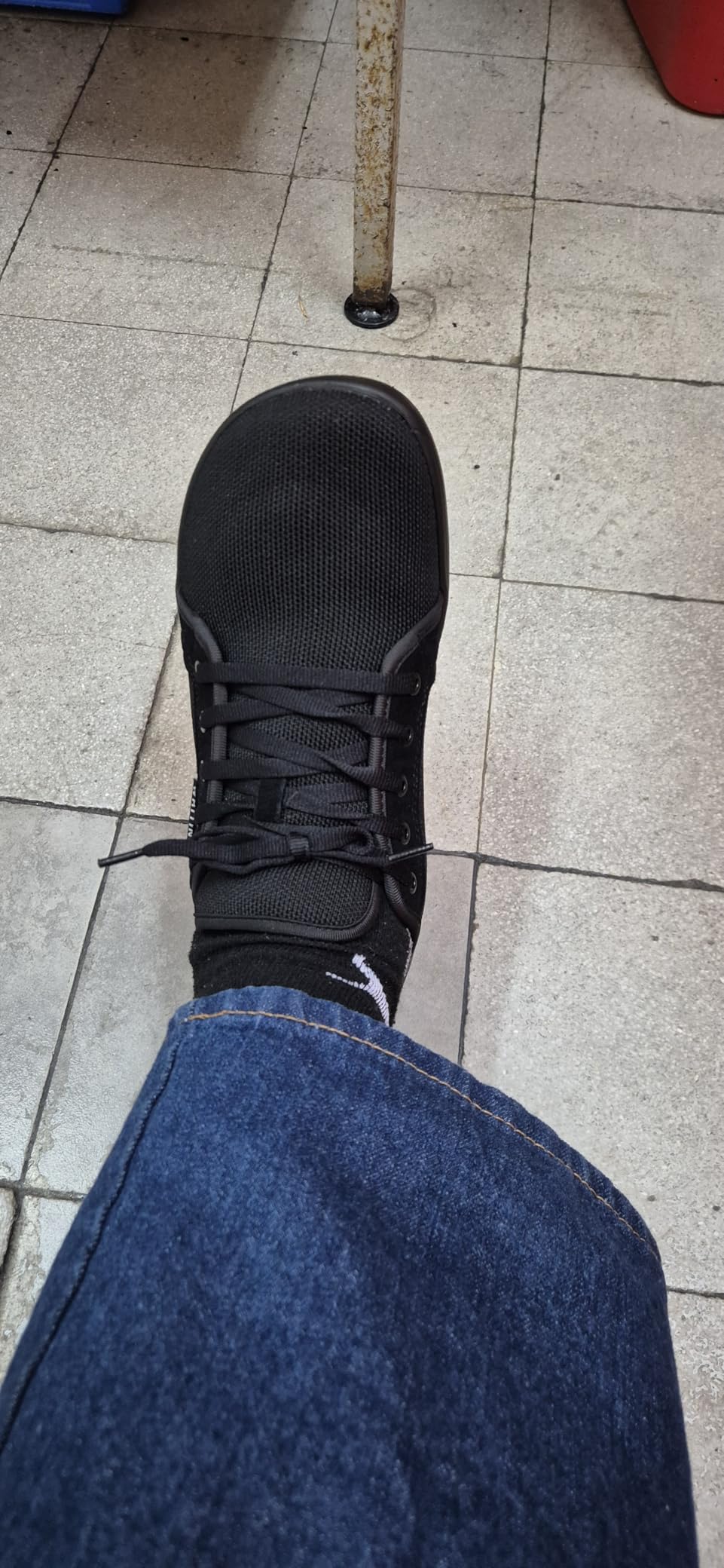
The rubber compound grips well on gym floors and holds through lateral movements for HIIT work. The knit upper has enough stretch to accommodate quick direction changes without creating lockdown issues. Over 45+ sessions including some reasonably intense conditioning work, the upper showed no significant stress or deformation.
One thing to flag honestly: the soft rubber outsole squeaks on certain floor surfaces, particularly polished tile or sealed concrete. It’s not loud enough to draw attention in a busy gym, but you’ll hear it. The compound is soft by design — it gives you the grip and ground feel — and soft rubber on smooth floors makes noise. This hasn’t changed over two months of testing; it’s just a characteristic of this outsole.
Daily Wear Comfort
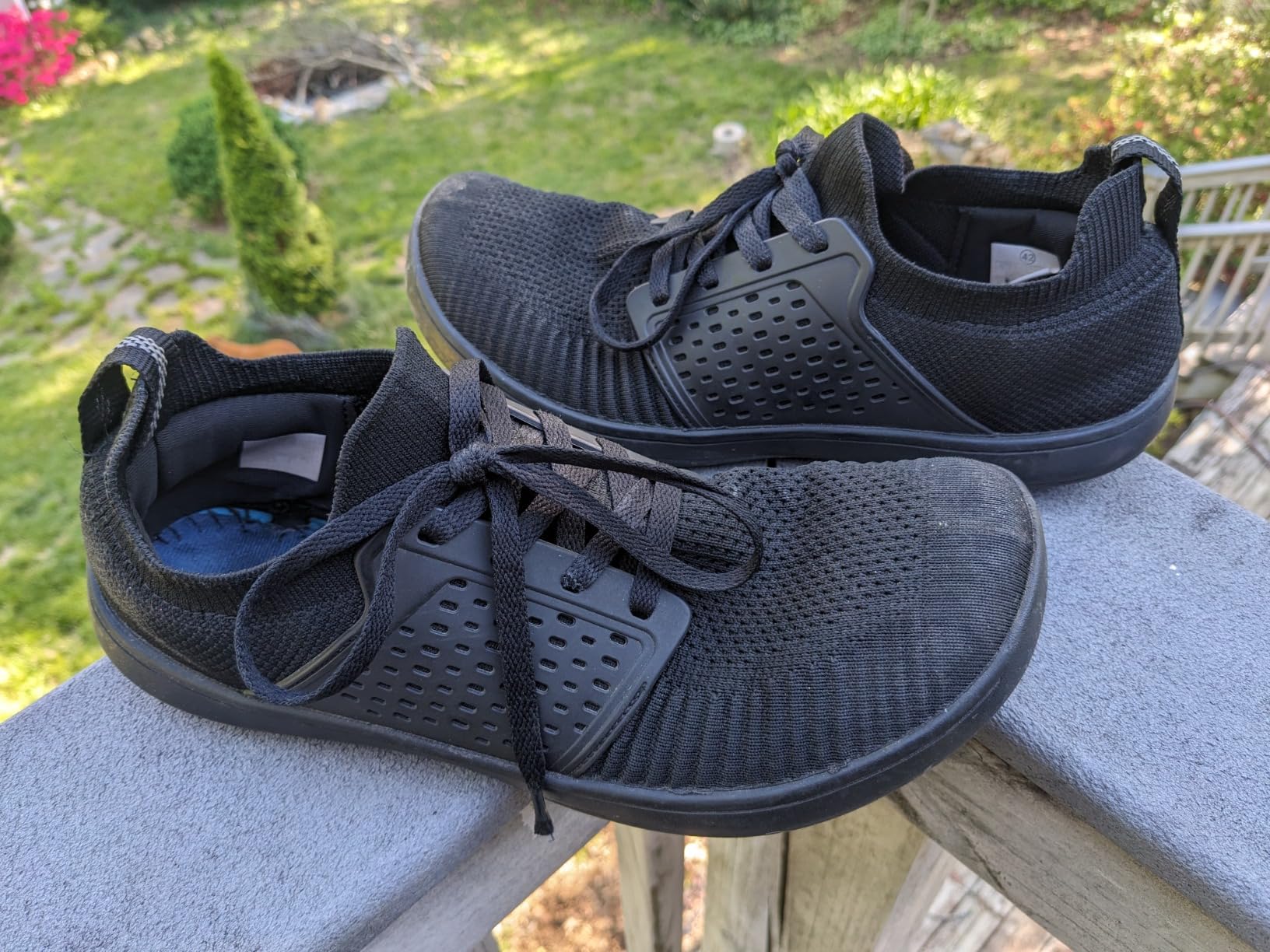
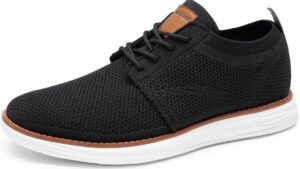
The black/gum colorway I tested navigates daily wear reasonably well — gym bag to casual errands to office environments where “smart casual” is a loose standard. The wide toe box looks noticeably different from conventional narrow shoes, and people either find it interesting or strange. There’s not much middle ground. If foot function matters more to you than conventional aesthetics, that trade-off is easy.
Daily wear comfort has a real timeline that mirrors the gym adaptation:
Week 1: Feet feel fatigued by evening after long days. This is normal and expected.
Week 2: Fatigue onset shifts later; comfort window extends.
Week 3 and beyond: Comfortable through 10+ hour days. The 8,000+ steps I was logging daily during testing became unremarkable by week four.
The breathable knit upper performed well through warm weather — no significant heat retention or sweat buildup during summer conditions. Below 50°F, the upper provides no meaningful insulation; factor that into seasonal use.
Ground texture comes through the thin sole during daily walking too. Smooth pavement is pleasant; rough concrete and gravel are noticeable. Most wearers adapt to this within a few weeks and stop registering it as intrusive. Others never stop noticing. It’s worth knowing which type you are before committing to a minimalist lifestyle shoe.
Durability: What the Data Actually Says
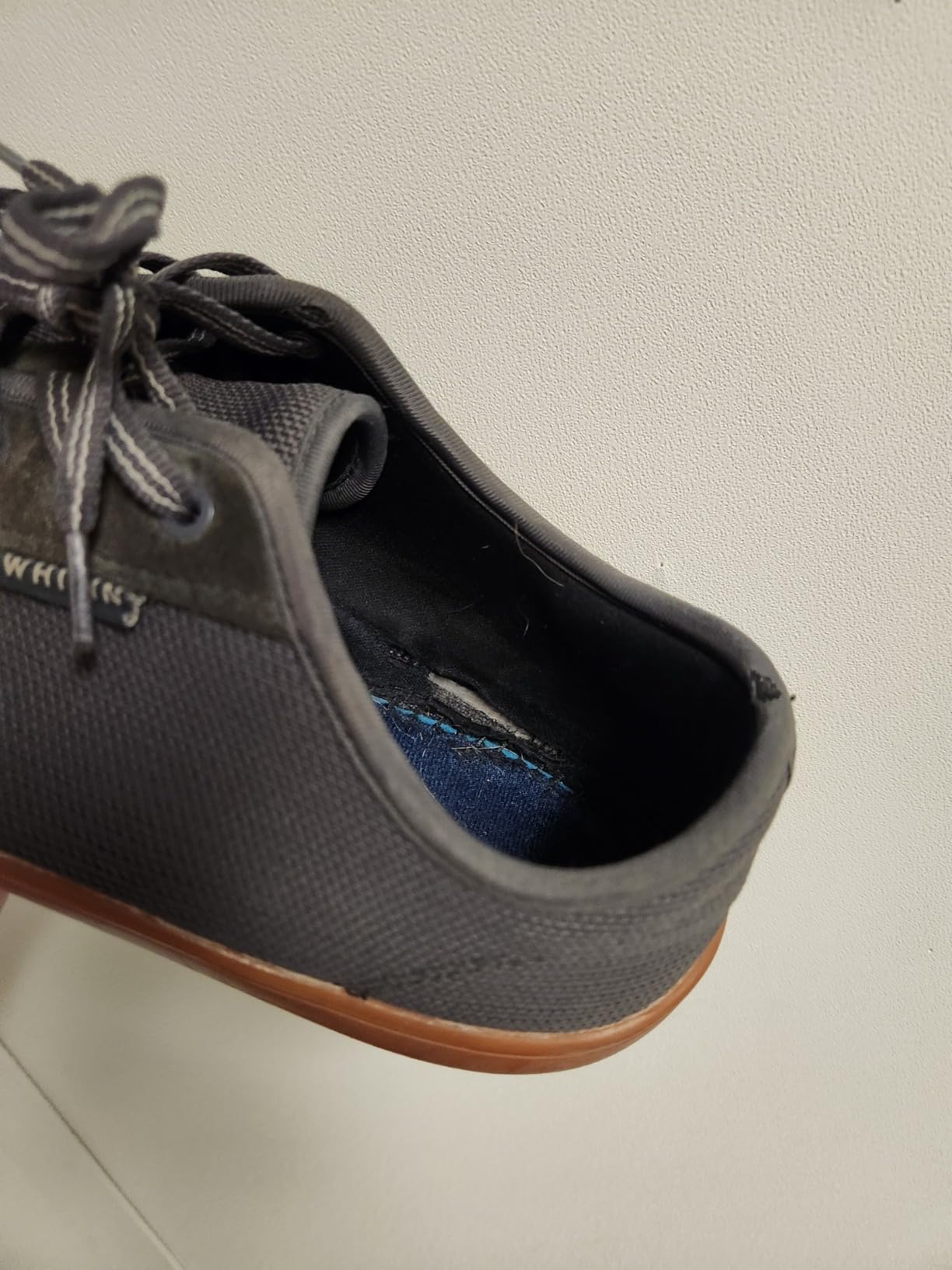
At eight weeks, my pair shows minimal exterior wear. The outsole has light surface scuffing consistent with normal use; the knit upper looks essentially unchanged from unboxing. But eight weeks doesn’t represent the full durability picture, and being straight about longer-horizon data matters here.
Lifespan by Use Intensity
The failure sequence to watch for: lace eyelet stress appears around the 30-wear mark in some units — not failure yet, but a leading indicator. Toe-area sole separation becomes a risk at approximately 40 wears in susceptible pairs. The insole compresses and loses its initial cushioning faster than the exterior shows wear.
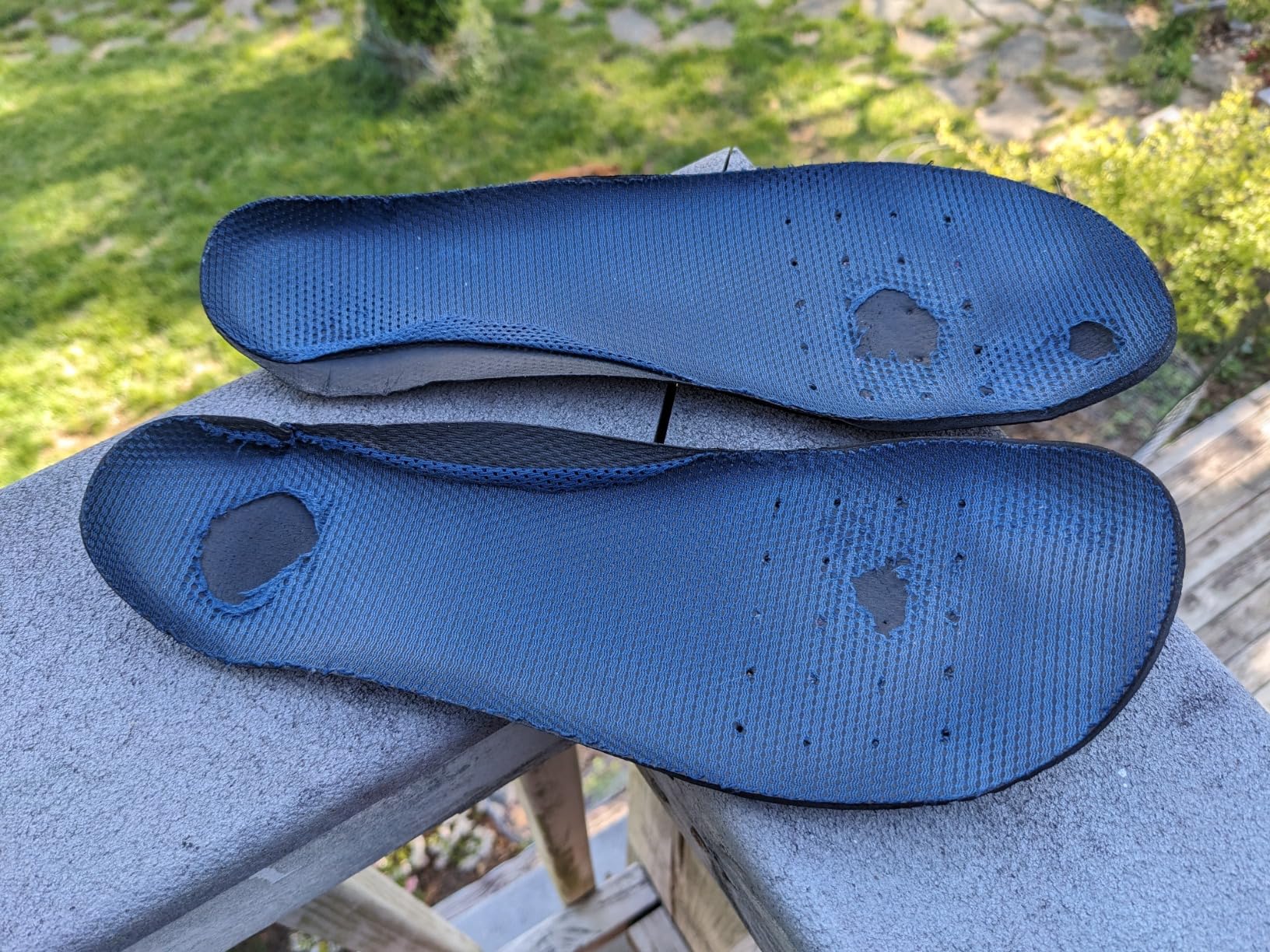
One important caveat: getting these thoroughly soaked accelerates failure significantly. Heavy rain can initiate sole delamination at the toe; the adhesive doesn’t recover the way a waterproofed construction would. These are dry-weather shoes. That’s not a buried footnote — it’s a fundamental operational parameter.
Quality control varies between individual pairs. Some users report running well past 12 months; others see eyelet or insole issues by month three. This batch-to-batch variance is documented across multiple sources. Amazon’s return window (typically 30 days) gives you enough time to identify early-onset defects.
The Cost Equation
Three pairs of WHITIN over two years costs approximately $120. A single pair of Merrell Vapor Glove 6 costs roughly the same amount. A pair of Xero Shoes Prio runs about $95. Vivobarefoot options start around $150.
The premium options will outlast three pairs of WHITIN. But the core barefoot benefit — ground feel, zero drop, wide toe box — is functionally similar across all of them. Whether paying more for longevity makes sense depends on how confident you are that barefoot footwear is your long-term preference, and how much you care about premium materials and construction finish.
Overall Performance Scores
Who Should Buy These
✅ Buy If:
- You lift weights and want real ground feedback during compound movements
- Your feet are wide and conventional shoes have been compressing your toes
- You’re curious about barefoot shoes but not ready to spend $100+ before knowing if the lifestyle suits you
- You experience foot fatigue or toe pain from narrow traditional footwear
- You’re comfortable replacing shoes every 6–12 months at this price point
❌ Skip If:
- You need footwear for wet weather or regular rain exposure
- You’re a serious runner who needs mileage-rated barefoot footwear
- 2+ years of daily durability is non-negotiable for you
- You require maximum arch support or substantial cushioning
- Your work environment requires formal or dress-casual footwear
Better Options for Specific Use Cases
- More durability, willing to pay 2x: Xero Shoes Prio (~$95) — better longevity, comparable ground feel for lifestyle and gym use
- Serious barefoot running: Merrell Vapor Glove 6 — purpose-built for runners who’ve made the full transition
- Similar price, different construction: Airhas Barefoot Zero Drop or MIFAWA Barefoot Shoes offer similar price-point alternatives worth comparing
- Wide barefoot for women: WHITIN Women’s Barefoot Minimalist or Joomra Wide Minimalist Barefoot
- Other WHITIN models: WHITIN Men’s Barefoot Trail Running for outdoor terrain; WHITIN Minimalist Barefoot Sock Shoes for a sock-like fit profile
Final Verdict
These aren’t perfect shoes. The durability ceiling is real, the adjustment period is demanding in the first two weeks, and they have no business near a puddle. Anyone going in expecting premium-shoe longevity from a $40 product is setting themselves up for disappointment.
But if you’re realistic about what $40 buys you, the WHITIN wide minimalist delivers where it matters most: genuine toe box width, true zero drop, and enough ground feel to meaningfully improve your training proprioception. Those three things are the core of what a barefoot shoe needs to do, and this one does all three at a price point that makes the durability trade-off mathematically manageable.
I ordered a second pair in gray midway through testing — not because the review required something positive to say, but because at this price, keeping a backup makes more sense than deliberating over a replacement. That calculus is pretty much the whole value proposition of this shoe in one decision.
If you want to find out whether barefoot training actually changes your lifting or whether a wide toe box fixes the foot fatigue you’ve been tolerating — these are the cheapest way to find out. Go in sized down half a step, respect the two-week adaptation window, and keep them dry.
Frequently Asked Questions
Sizing & Fit
Q: How do these fit compared to regular sneakers?
A: They run approximately half a size large. A solid 10.5 in Nike or Adidas typically fits in a size 10 WHITIN. Use WHITIN’s sizing chart with a measured foot length rather than estimating from other brands — the last shape is distinct enough that cross-brand comparisons mislead.
Q: Are they genuinely wide enough for wide feet?
A: Yes. Multiple testers with 4E-width feet found the toe box comfortably accommodating. The width is structural, not just a marketing description. If you’ve been buying 2E or 4E shoes specifically because of width, these likely fit at a standard size.
Q: What if I’m between sizes?
A: Size down. These run large, and too much length creates instability during lifts. When in doubt, size down rather than up.
Performance & Use
Q: Can I run in these?
A: Short treadmill runs are workable. Road running or trail running is not what these are built for — the durability and sole protection aren’t appropriate for mileage-focused use. If you want a dedicated barefoot trail running shoe, look at running-specific minimalist models.
Q: How long does the adjustment period take?
A: Three weeks is typical for most people. Week one involves calf soreness and unfamiliar movement patterns. Week two the body adapts. Week three, extended wear becomes comfortable. Start with gym sessions only, then gradually add daily wear hours over the first two weeks.
Q: Are these good for people with plantar fasciitis?
A: Many report improvement after transitioning, but zero drop is a significant mechanical shift for feet already dealing with PF. Gradual transition is not optional in this case — and consulting a podiatrist before using zero drop shoes for PF management is worthwhile.
Q: Can I remove the insole for a more barefoot feel?
A: Yes. The 5mm POWER FOOTBED insole pulls out cleanly. The standard progression is: insole in during weeks 1–3, then remove it once adapted if you want additional ground contact. Thin custom orthotic insoles also fit if you need arch support during transition.
Durability & Care
Q: How long do they typically last?
A: At 4–5 days per week of gym and casual use, expect 6–12 months before outsole wear or toe separation becomes significant. Light use (2–3 times/week) can stretch toward 12–18 months. Heavy daily use trends shorter. Quality varies somewhat between units — use the Amazon return window to catch early-onset defects.
Q: Can I put them in the washing machine?
A: Hand wash with mild soap only. Machine washing risks distorting the knit upper structure and weakening the sole adhesive bond. A damp cloth handles most cleaning; air dry away from direct heat.
Q: What happens if they get wet in rain?
A: The knit upper saturates quickly. More critically, repeated heavy soaking can initiate sole delamination at the toe — the adhesive doesn’t recover well from saturation. These are explicitly fair-weather shoes. Don’t wear them in rain if avoidable; if they get soaked, dry them thoroughly before the next use and inspect the toe bond.
Q: Is there a manufacturer warranty?
A: No documented manufacturer warranty beyond Amazon’s standard return policy (typically 30 days). Use that window actively — wear them, test them, and return promptly if you observe construction defects.
Review Scoring Summary
Be the first to review “WHITIN Men’s Wide Minimalist Barefoot Sneakers”
Related products

Running Shoes

Sneaker
Reviews
There are no reviews yet.