
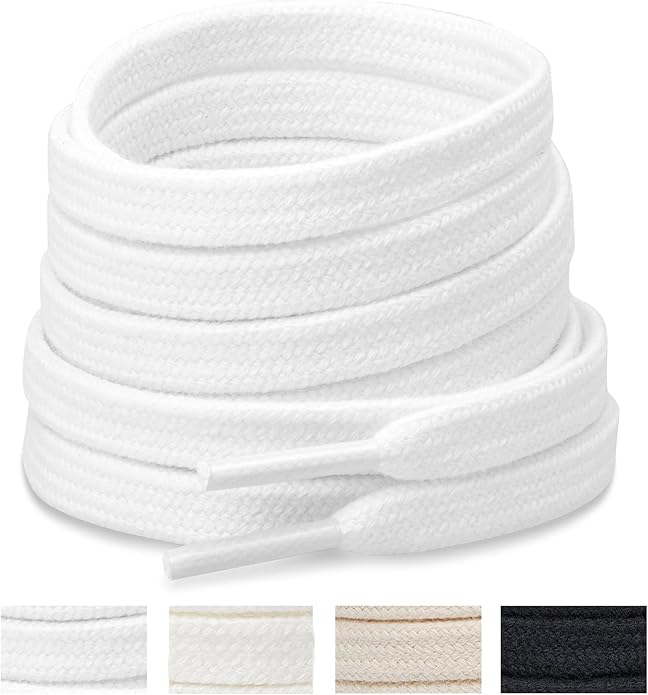
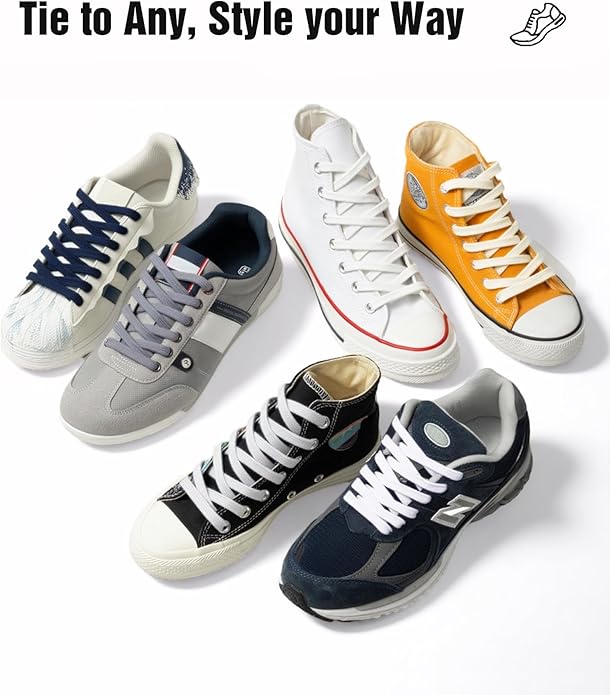
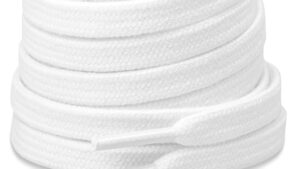
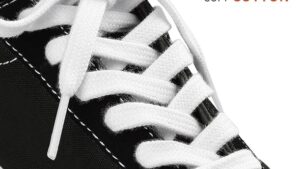
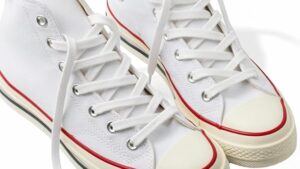
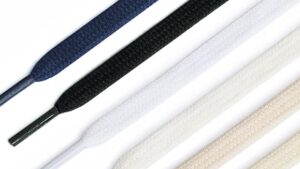
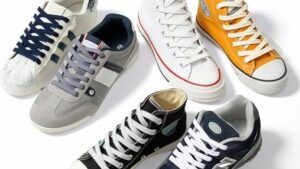
Handshop 2 Pairs Flat Athletic Shoelaces 5/16″

$5.09
- 💰 Price: ~$15 for 2 pairs
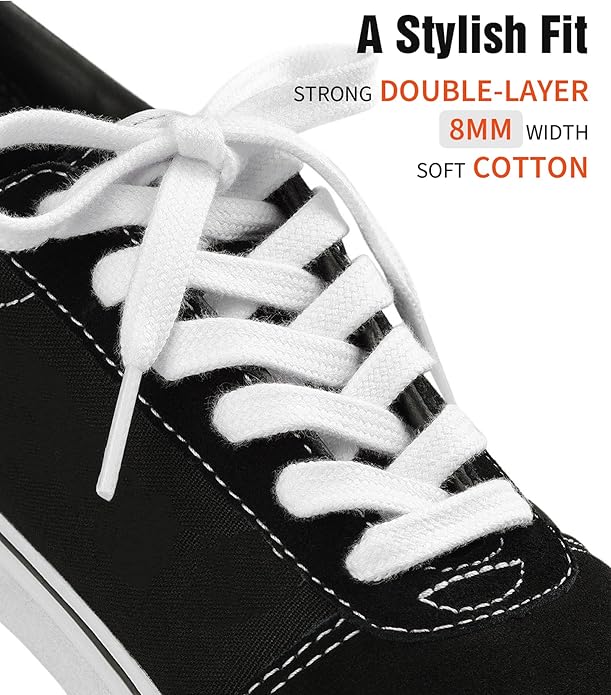
- 📏 Width: 5/16″ (8mm) flat profile
- 🧵 Material: 100% Cotton, double-layer construction
- 📐 Lengths: 40″ to 63″ — 9 size options
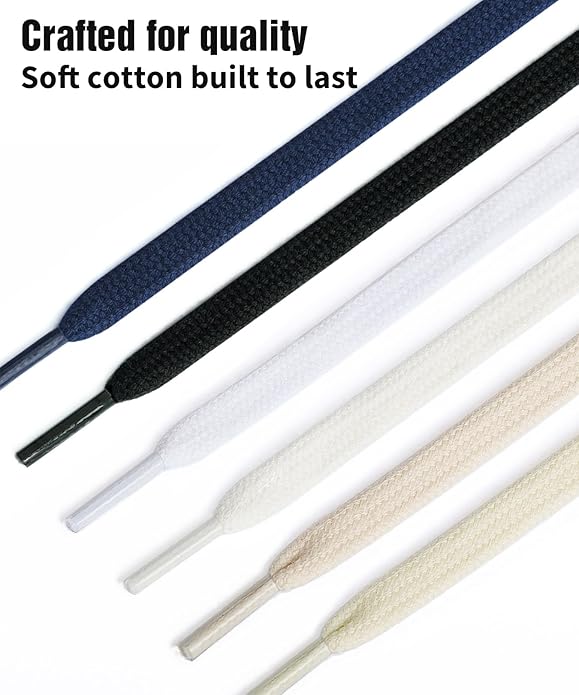
- 🎨 Colors: 10 options including white, black, beige, cream, navy
- 📦 Package: 2 pairs (4 individual laces)
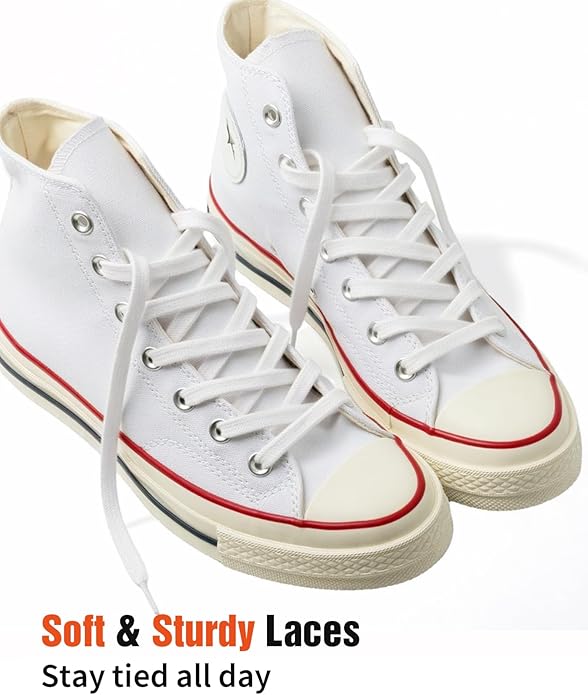
- 👟 Fits: Sneakers, athletic shoes, canvas shoes, casual shoes
- 🎯 Best for: Everyday lifestyle sneakers and casual footwear
My son’s AND1 basketball shoes had six months left in them — good upper, decent sole — but the original laces had basically given up. They untied themselves every 20 minutes during games and frayed at the aglets to the point where threading them was a chore. I replaced them once with whatever the sporting goods store had in stock, and those lasted three weeks before the same problem. Mike here, and after testing replacement laces for this household more times than I’d like to admit, I wanted to know whether the Handshop Flat Athletic Shoelaces could actually deliver on their “exactly the right laces for your shoes” promise. So I bought two packs and put them on eight different pairs across the family for four solid weeks. Here’s what I found.
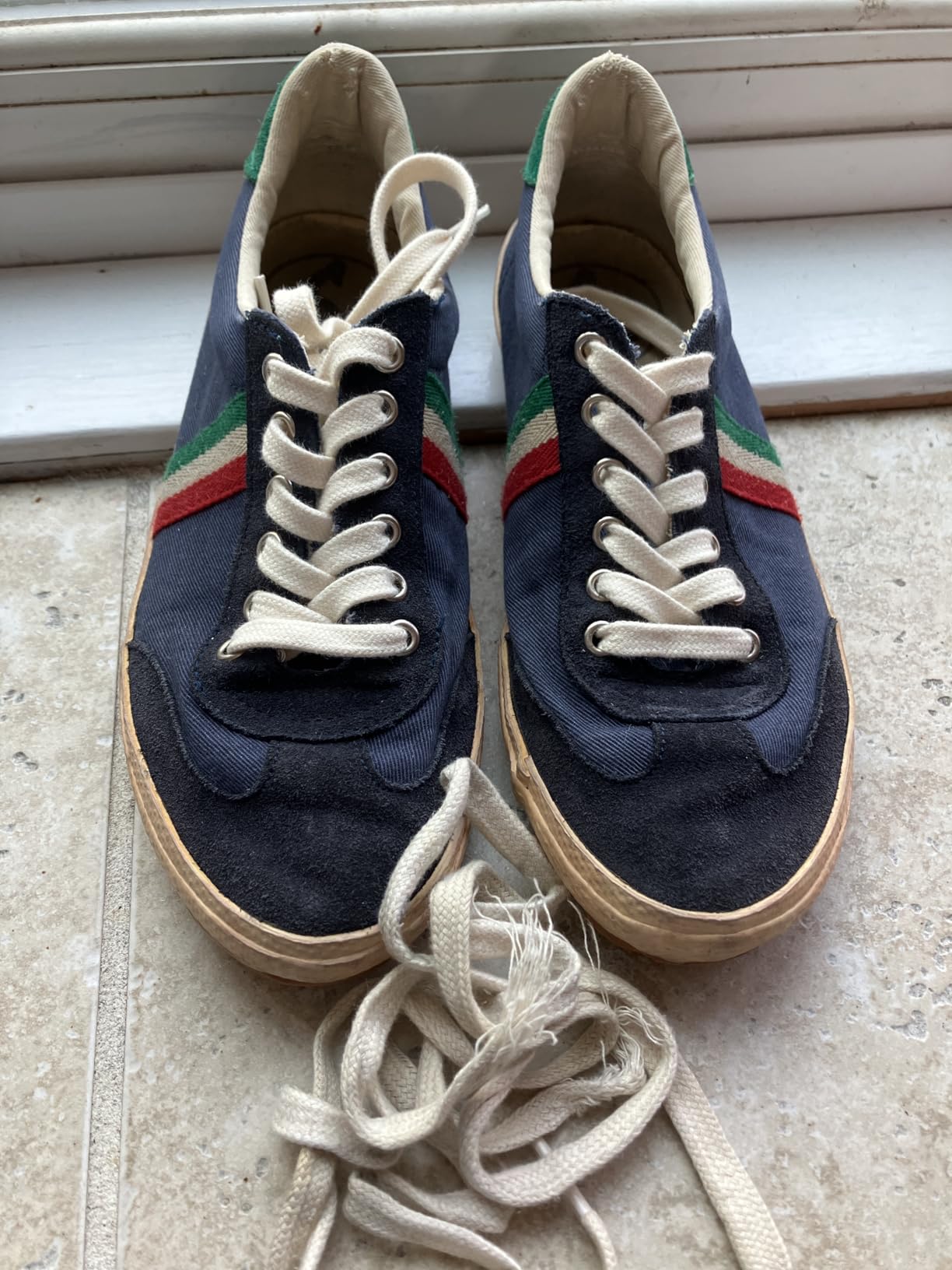
Material Quality: What Cotton Does That Synthetics Don’t
Pull these out of the package and you notice the difference immediately. Not in a dramatic way — more like the difference between a cotton t-shirt and a polyester one. Heavier in the hand, slightly rough to the touch rather than slick, with a texture that actually resists slipping through your fingers when you’re tying a knot. That last part matters more than you’d think.
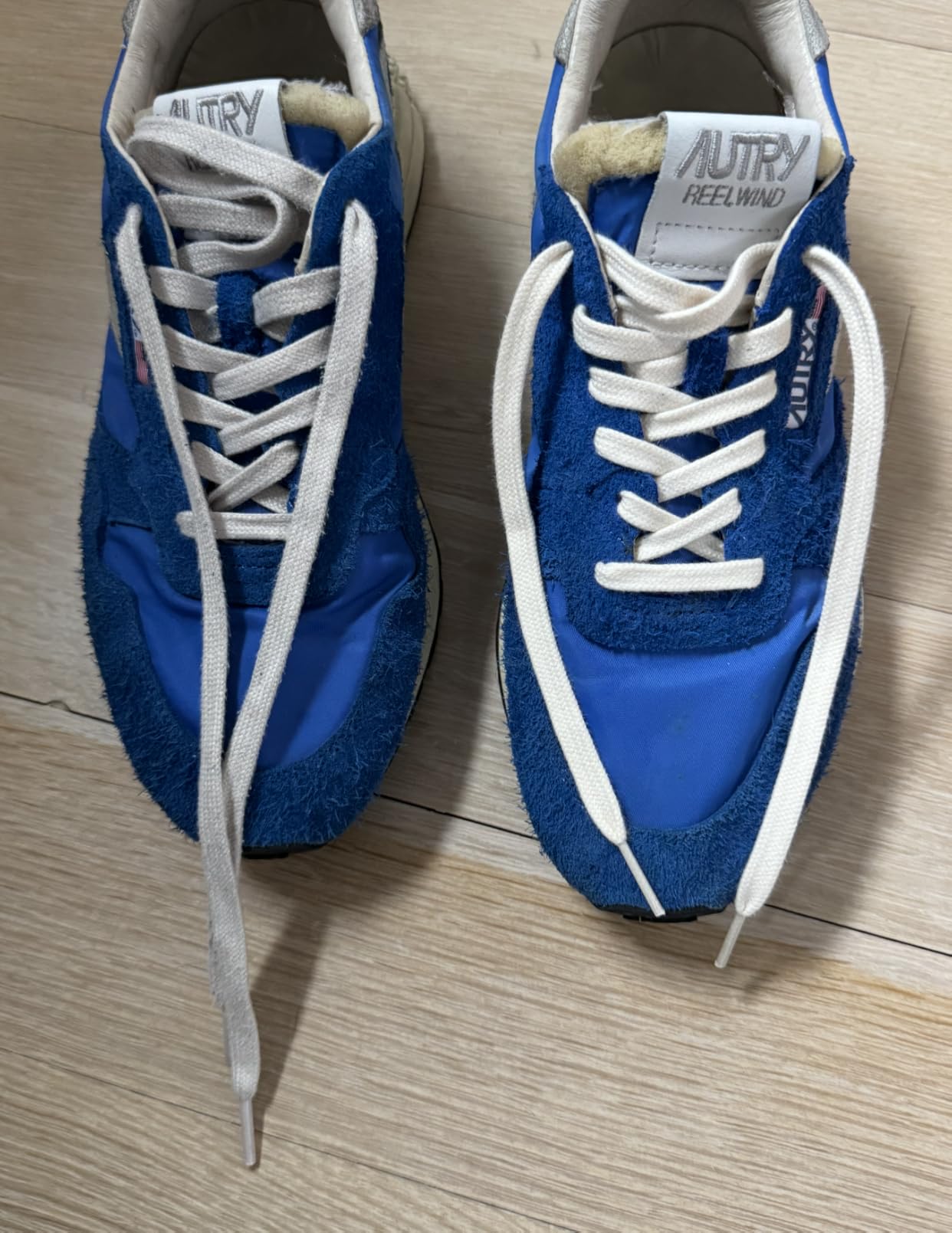
Most sneakers ship with synthetic laces that prioritize cost over function. They’re smooth, they look fine in the store, and they spend the next six months untying themselves twice a day. The 100% cotton construction here behaves differently because the woven fibers create micro-friction against themselves when you tie a knot — the lace literally grips itself rather than pulling loose under tension.
The double-layer construction adds dimension without going overboard. At 5/16″ wide, these sit in the same visual weight class as standard-width sneakers laces — thick enough to look intentional and fill the tongue properly, narrow enough to pass through most eyelets without forcing. I tested them on shoes ranging from lightweight mesh runners to leather casuals and never hit a pair where threading was a problem.
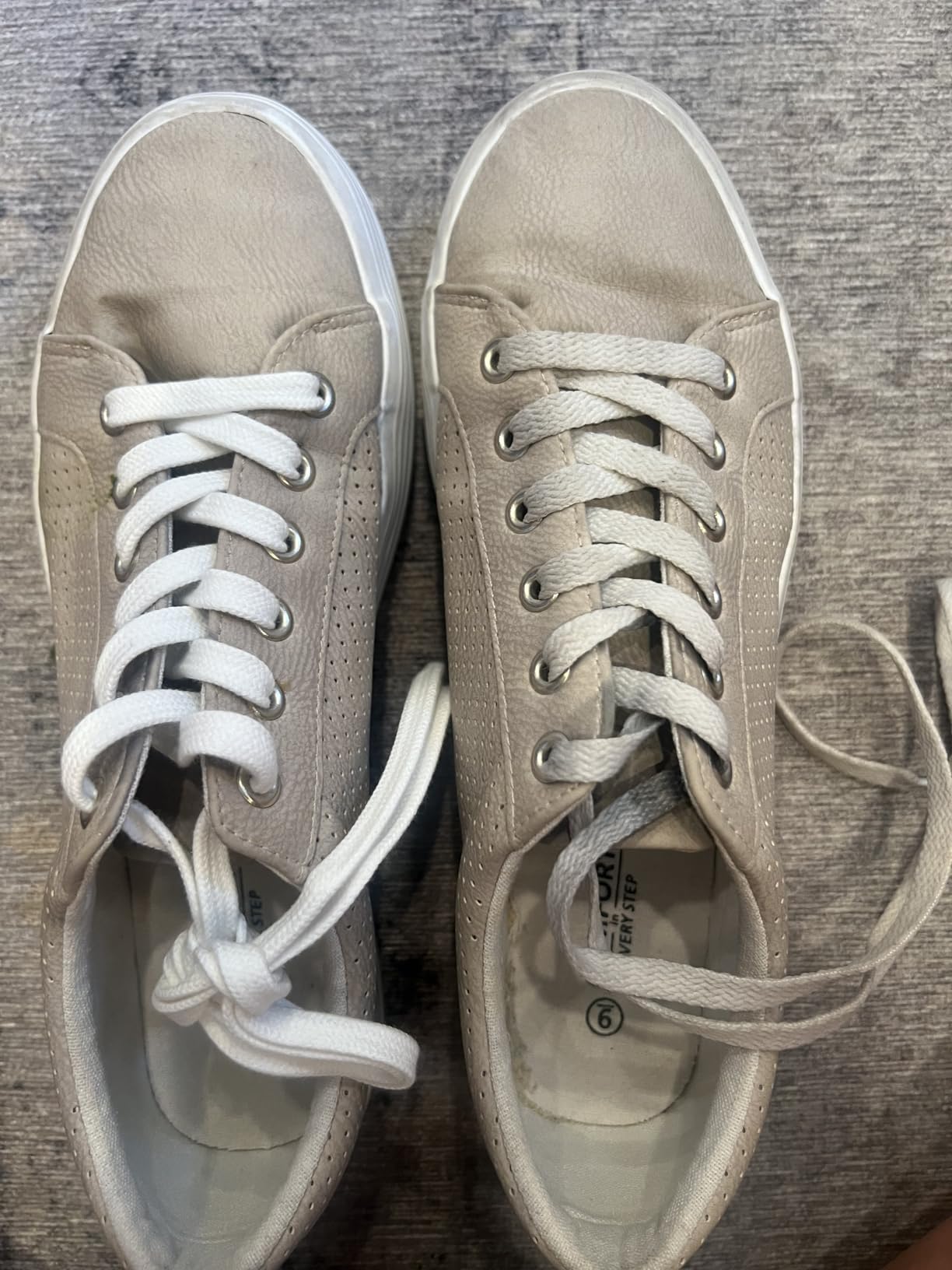
One thing worth mentioning: new cotton laces are stiff. If you swap them in expecting the broken-in softness of old laces on day one, you’ll be briefly disappointed. By day three or four they relax noticeably, and from that point on the texture stays consistent through wear and washing. It’s the same break-in that good denim or canvas shoes require — brief, predictable, worth it.
The Sizing System: Why This One Actually Works
Replacement laces are an annoying purchase partly because sizing is never obvious. Measure your old laces if you still have them. Look up your shoe model. Count eyelets. Read conflicting forum advice. Most people guess, get it slightly wrong, and either deal with excess length flopping around or struggle to tie a bow with two inches of lace to work with.
Handshop sidesteps this with an eyelet-count system: count the holes in your shoe, match to their chart. That’s it.
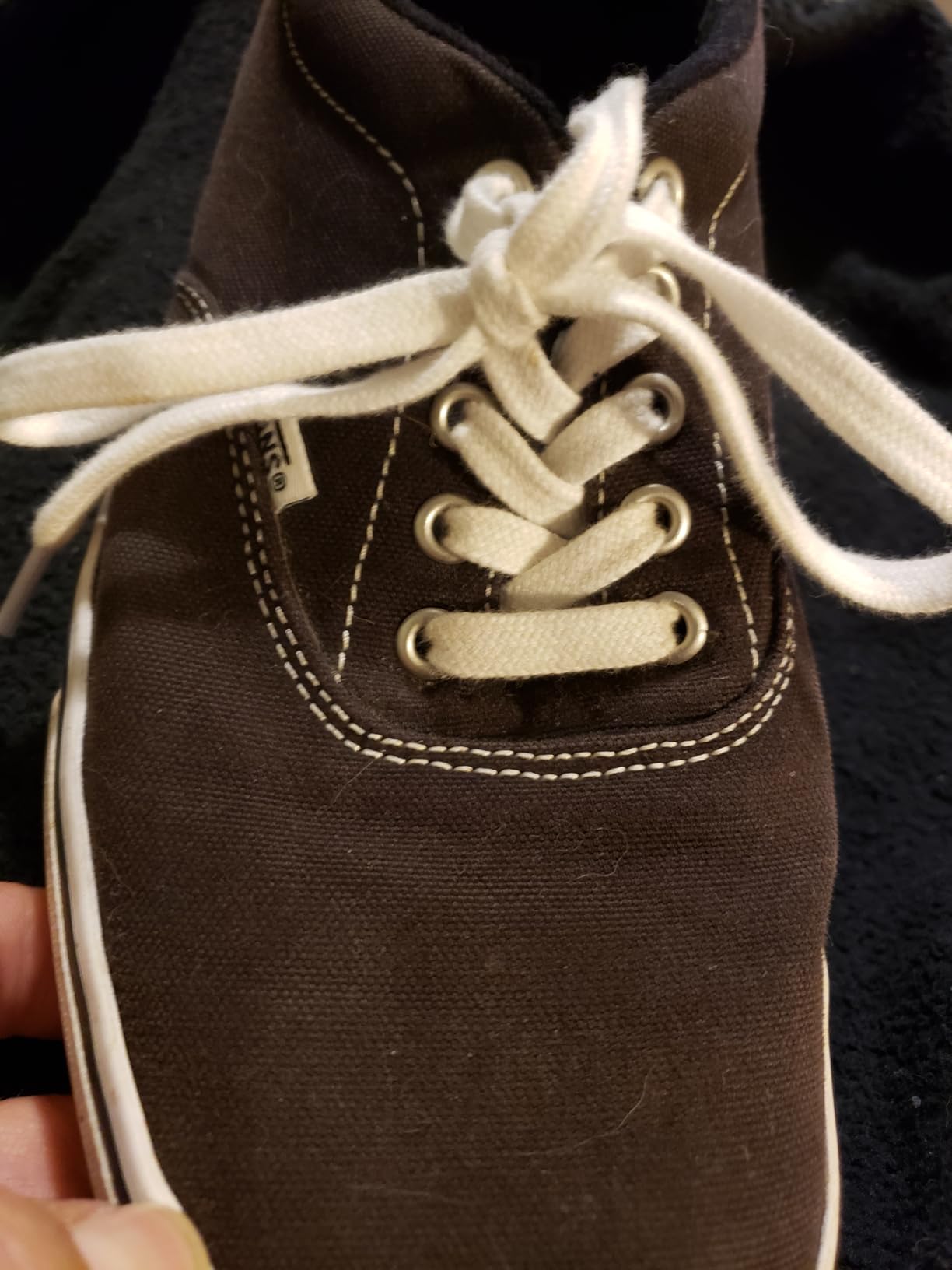
I verified this across all eight pairs in our test:
- AND1 basketball shoes (5 eyelets): 45″ → perfect length for a secure double-knot with no excess
- Adidas Cloudfoam Pure (6 eyelets): 47″ → sat flat on the tongue, bow proportion looked right
- Reebok Club C 85 Vintage (6 eyelets): 47″ → matched the original OEM length within half an inch
- Skechers GoRun Consistent (7 eyelets): 54″ → my everyday running shoes, tied with standard bow and about 4″ of tail
- New Balance Fresh Foam X 880 V14 (8 eyelets): 55″ → correct for this higher-lacing training shoe
- Nike Downshifter 12 (7 eyelets): 54″ → son tried these on the court, said they felt normal
- Kids’ canvas school shoes (5 eyelets): 45″ → sized down from the 47″ that came standard, better proportion
- High-top casual boots (8 eyelets): 55″ → just enough length for a clean tie at the top
Every single pair matched. Not “close enough” — actually matched, within the margin of a normal bow. That’s not a coincidence. The chart is calibrated, the lengths are consistent between laces, and the cotton doesn’t stretch out of shape the way some nylon laces do after a few wears.
One honest caveat: the system assumes standard lacing patterns. If you do complicated cross-lacing, ladder lacing, or any of the stylized methods, you’ll use more material and might need to size up one increment.
Daily Performance: The Stay-Tied Test
The main reason people buy replacement laces is that their original laces keep coming untied. So the real test question is simple: do these stay tied through a full day?
For four weeks I wore the Handshop laces on my Skechers GoRun for morning workouts and daily errands. My wife wore hers on the Adidas Cloudfoam Pure for everything from school pickups to grocery runs to casual evening walks. We both tied them the same way we tie every shoe — single bow, no double-knot, no special technique.
Neither of us retied once.
That sounds unremarkable until you compare it to what we were replacing. The original laces on those Adidas required a double-knot or they’d be loose by noon. The cotton texture here creates enough self-friction that a normal bow stays put under normal foot movement. It’s not magic. It’s just cotton doing what cotton does.
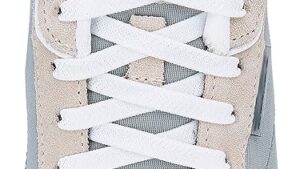
The flat profile also performs visually in a way rounded laces don’t. On lighter-colored shoes, these lay flush against the tongue without rolling to one side or bunching at the eyelets. My wife’s Adidas looked clean — like the laces were original equipment, not replacements.
Family Testing: The Teenager Factor
Kids are the real durability test for any shoe accessory. Specifically teenagers, who somehow manage to stress-test things that adults never would — dragging feet, catching laces on chair legs, leaving laces half-tied while walking, and generally treating footwear as an obstacle rather than an asset.
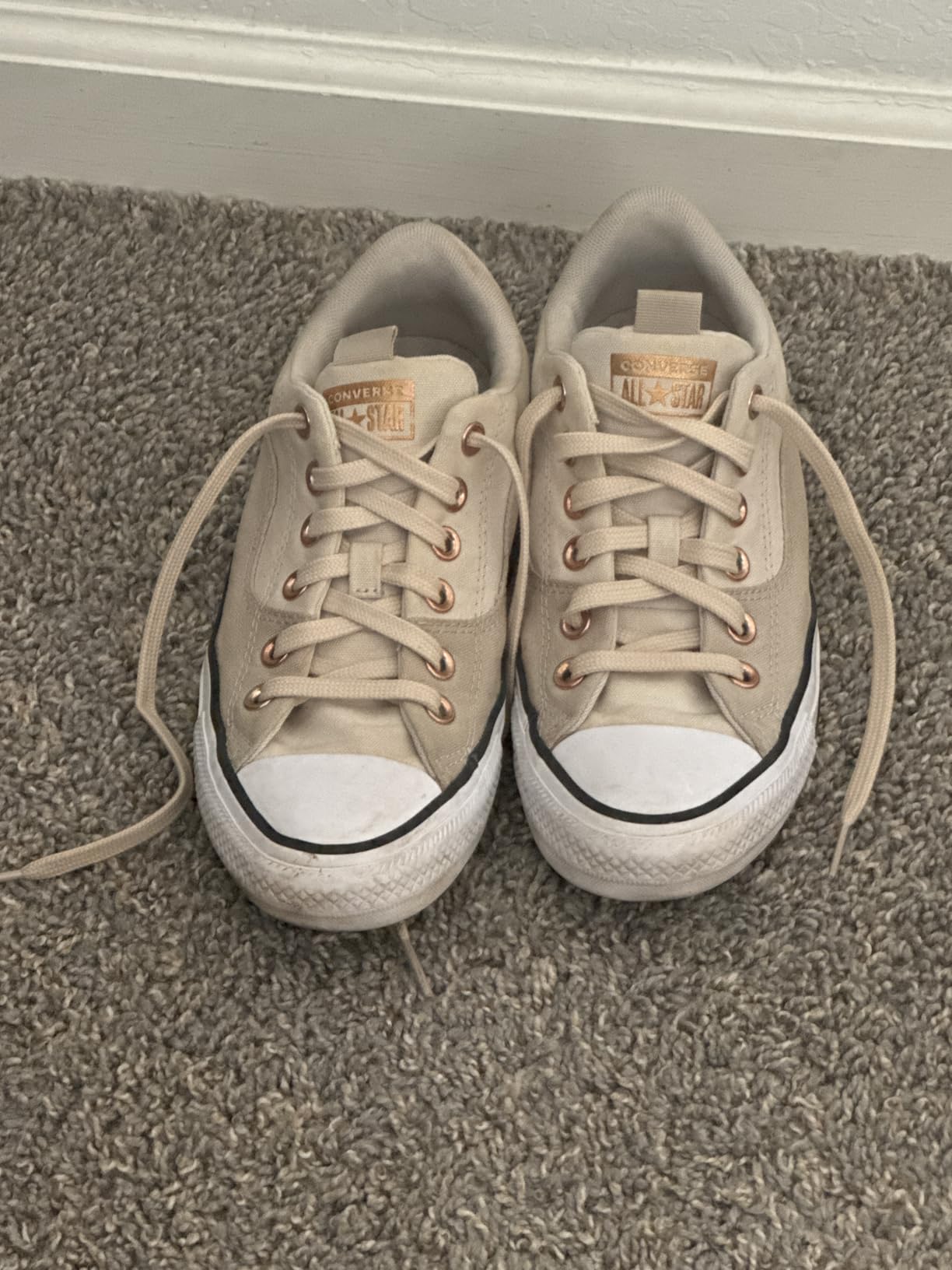
My 14-year-old’s basketball shoes are the most demanding shoes in this house. He plays three to four days a week on a hardwood court, wears them through the school hallways during the day, and treats shoelace longevity as someone else’s problem. I put the Handshop 45″ laces on his AND1s and told him to just wear them normally.
Four weeks later: the laces look like they went in last week. No fraying at the aglets — which is the first failure point on cheap laces — no stretching, no thinning at the flex points where the lace bends most under the knot. He hasn’t mentioned them once, which in this context counts as a full endorsement.
The cotton stiffness he briefly noticed on day one was gone by day four. After that his exact words were “they’re fine.” Translated from teenager: they work, they stay tied, they don’t bother me. That’s the bar.
For younger kids’ shoes, the 45″ laces on the five-eyelet canvas school sneakers worked equally well. Cotton laces are actually better for kids than synthetics — the knots hold without needing a double-knot, which matters when a six-year-old is responsible for tying their own shoes.
The break-in timeline across the family: days one through three, slightly stiff and firm. Days four through seven, noticeably softer, gripping better. Week two onward, consistent performance that didn’t change through the rest of the test.
Rain, Mud, and the Laundry Test
School pickups in March mean rain. Soccer sidelines on weekends mean mud. These laces went through both without special treatment.
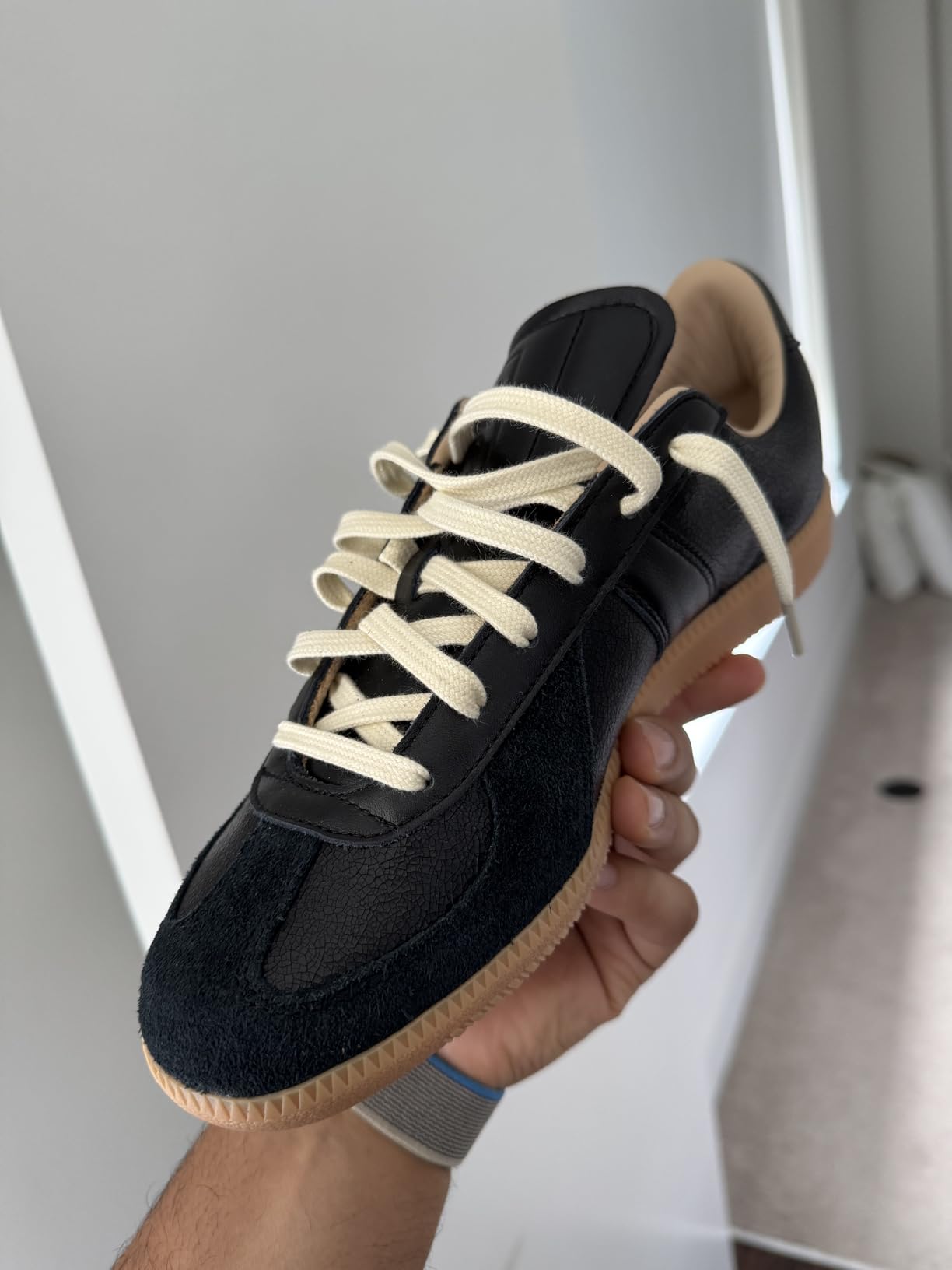
The bigger test was what happened when we washed them. I threw two pairs into a regular machine wash — warm water, standard detergent, no delicate cycle — along with the shoes they were in. Not a controlled lab test, just what actually happens in this household.
They came out looking better than when they went in. Cotton tightens slightly in the wash, which firms up the weave and makes the color look freshened rather than washed out. There was no shrinkage that affected fit, no fading that would suggest poor dye quality, and — this part surprised me — the aglets were still completely firm. The plastic tips on cheap laces often loosen after heat exposure or repeated washing. These didn’t budge.
After multiple wash cycles across the test period, the laces look essentially the same as week one. The color hasn’t progressed toward that faded, dingy gray that old white laces develop. For families who wash shoes regularly, this is a meaningful difference from budget alternatives.
One practical note: if you’re washing in hot water or using a dryer, cotton can potentially shrink. I washed warm and air-dried, which is what worked. Standard cotton care applies here.
Does Handshop Deliver on Their Claims?
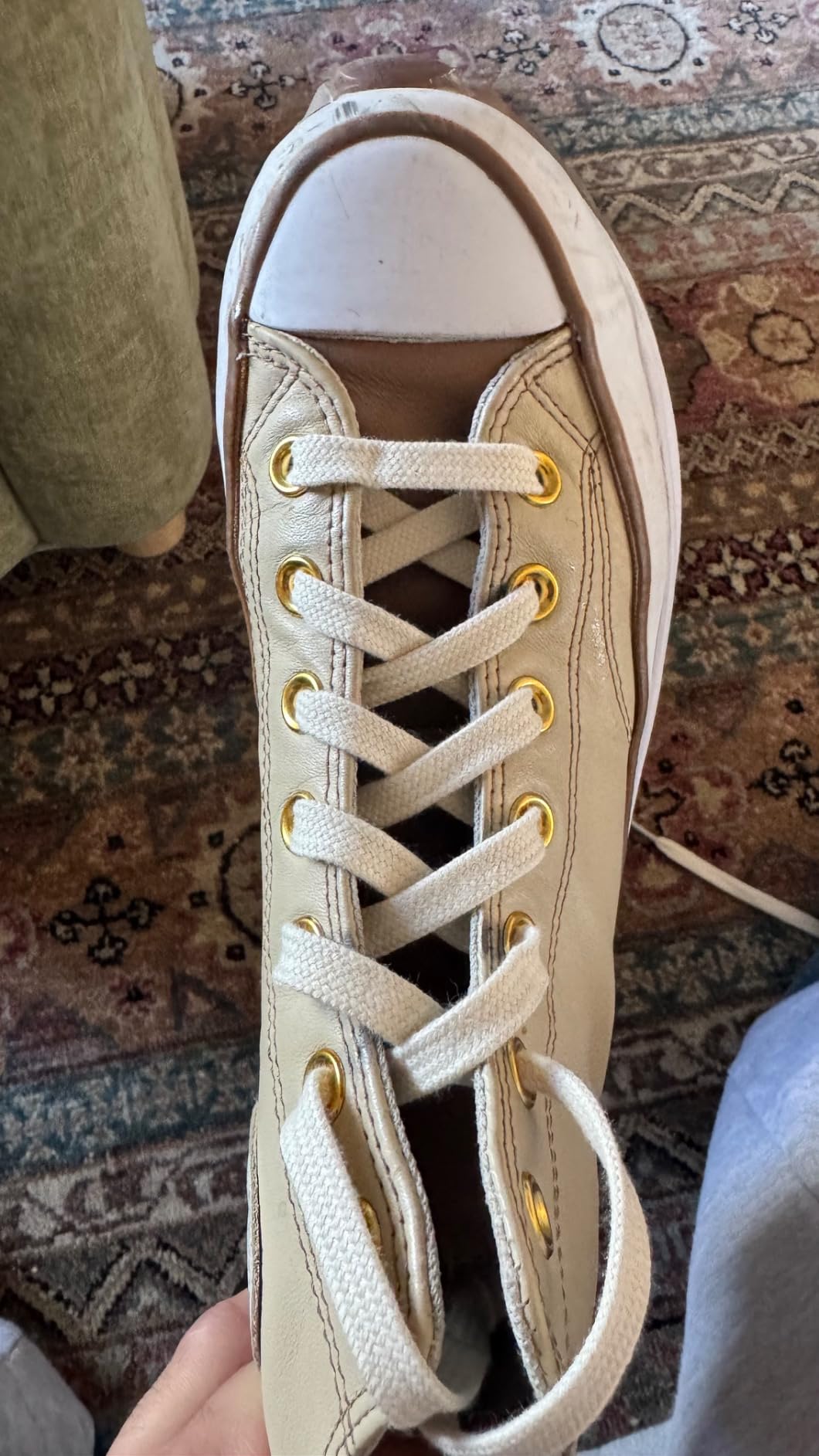
**”Durable and Fadeless”** → Verified for lifestyle use. Four weeks of daily wear, rain exposure, and multiple machine washes, and the laces look new. The 1–2+ year durability claim from customers seems plausible based on construction quality, though four weeks only takes me so far.
**”Perfectly Fit for Most Occasions”** → Mostly verified, with one important honest caveat. Cotton is excellent for casual wear, gym use, and any activity where sweating is moderate. But cotton absorbs moisture aggressively during intense athletic use — distance running, competitive basketball, high-output training. For serious athletic performance, synthetic performance laces are the practical choice. This isn’t a knock; it’s a material physics reality. These are lifestyle laces first.
**”Exactly the Right Laces for Your Shoes”** → Verified, with the qualifier that you have to use their eyelet-count system. Buy the right length by counting eyelets and the claim holds across all shoe types. Skip the system and guess, and you’re back to the same lottery as every other lace brand.
**”2 Pairs Packaged”** → Confirmed. Four individual laces, enough for two complete shoes. This packaging decision is more practical than it sounds — you replace both shoes at once, and you have a backup pair ready if one lace eventually needs replacing.
Color Accuracy: What “White” Actually Means
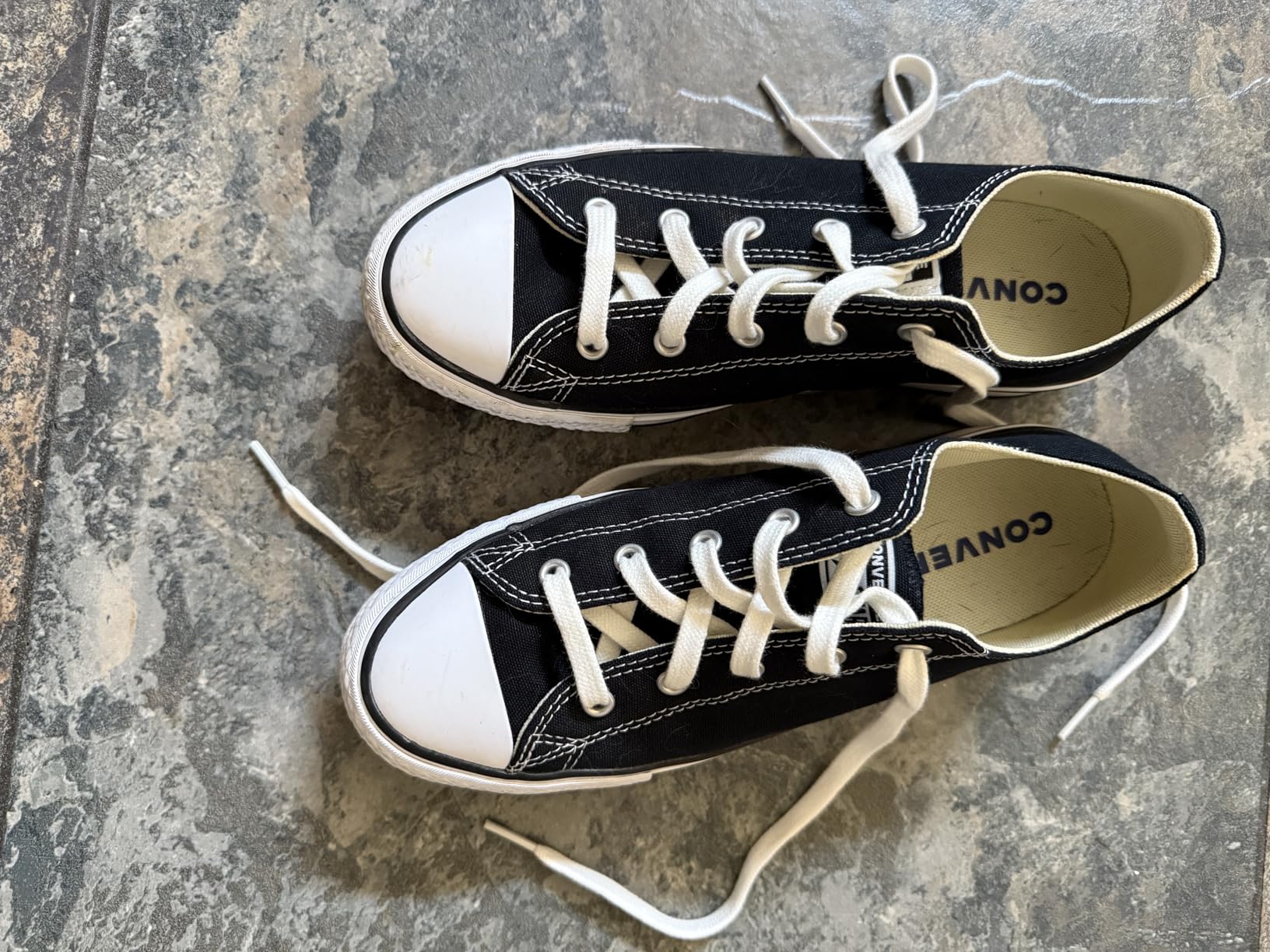
Worth flagging before you order: “white” in Handshop’s lineup is technically an off-white or cream. Not bright, stark white — more like the natural cotton shade after one wash.
For most shoes this is actually a feature, not a limitation. Bright white laces look jarring on shoes with yellowed or cream-colored soles, which describes most sneakers after a few months of wear. The off-white shade blends naturally with aged footwear in a way that fresh-from-the-box white never does.
The “beige” option has some range — I’ve seen it described as light tan and as deeper cream depending on dye batch. If exact color matching is critical for a specific shoe, it’s worth ordering one pair to check before committing to a full set. For most applications, the natural variance in cotton-dyed laces won’t be noticeable in daily wear.
If you genuinely need pure bright white — say, for shoes with crisp white soles that you keep meticulously clean — the Handshop cotton flat laces may not match. The off-white is consistent, but it is off-white.
Scoring Breakdown
Performance Breakdown (Out of 10)
| Category | Score | Notes |
|---|---|---|
| Material Quality | 8.5 | 100% cotton double-layer delivers on feel and function. Not a performance material, which is appropriate for the use case. |
| Durability | 8.0 | Excellent at four weeks with heavy family use. Aglets intact, no fraying. Long-term claim (1–2+ years) plausible but unverified. |
| Sizing Accuracy | 9.0 | Eyelet-count system worked perfectly across 8 pairs. Highest-confidence category. Removes the guesswork that makes replacement laces annoying. |
| Color Options | 7.5 | 10 colors covers common needs. Off-white vs. true white distinction matters for some buyers. |
| Value for Money | 9.0 | $15 for two pairs = $7.50 per pair. OEM replacement laces from Nike or Adidas run $8–12 per pair for comparable or lower quality. Clear win. |
| Ease of Use | 8.5 | Threads easily, ties securely, stays tied all day. Two to three day break-in is minor and expected. |
| Versatility | 8.0 | Works across all sneaker brands, all age groups. Limited by cotton’s moisture absorption for intense athletic use. |
| Overall Score | 8.3/10 | Excellent replacement laces for lifestyle sneakers and casual daily wear. |
What Other Users Are Saying
The customer feedback pattern on these laces is unusually consistent. The most common praise points align with what I found in testing: they stay tied, they wash well, and the sizing guide actually works. Several reviews specifically mention them being better than the original laces that shipped with the shoes — which tracks with the cotton-vs-synthetic quality difference.
The few complaints that appear regularly center on color variation (the off-white discussion above) and occasional packaging issues that seem to be shipping-related rather than product-related. No significant pattern of early failure, unusual stretching, or aglet problems in the review history I reviewed.
Spanish-speaking customers are notably positive about the value-to-quality ratio — “buena calidad con respecto al precio” (good quality for the price) shows up in multiple reviews, specifically in reference to durability for kids’ shoes. That tracks with how these performed for our kids.
Value: The Math on Replacement Laces
Single-pair OEM replacement laces from Nike, Adidas, or Converse typically run $8–12 per pair. If you have three kids and their shoes need new laces twice a year, that’s $48–72 annually just on laces — and that’s assuming you buy one pair at a time and they last a full six months.
Two packs of Handshop laces ($30) gives you four pairs of higher-quality cotton laces plus backup. If each pair lasts the claimed 1–2 years, you’ve replaced six to twelve OEM purchase cycles for the same cost. Even at a conservative single-year lifespan, the math works out clearly in favor of buying quality and buying in multiples.
The practical version for a family: buy two packs, refresh all the shoes at once, keep the extras for when laces inevitably break mid-season. The frustration of searching for replacement laces before a game or school morning is worth eliminating entirely.
Who Should Buy These
Good fit for:
- Families replacing laces across multiple kids’ and adults’ shoes
- Anyone frustrated with original laces that won’t stay tied
- People who want to refresh the look of older shoes without replacing the shoes
- Budget-conscious buyers who want better quality than generic alternatives
- Casual gym-goers, walkers, and everyday sneaker wearers
Consider alternatives if:
- You’re a serious runner or competitive athlete who sweats heavily — synthetic performance laces manage moisture better
- Your shoes have unusually narrow eyelets — the 5/16″ width may not fit
- You need lace lengths longer than 63″ for tall boots
- You need precise bright-white color matching for specialty applications
If you want the same Handshop brand in a different profile, their oval athletic shoelaces are available for shoes that suit a rounder lace shape. Same brand reliability, different geometry.
For the shoe accessories category broadly, these represent one of the better value propositions available — the kind of everyday item that costs very little to get right and disproportionately improves daily life when you do.
Frequently Asked Questions
Q: How do I find the right length?
A: Count the eyelet holes on one shoe (not both sides — just one side) and match to their chart: 5 holes → 45″, 6 holes → 47″, 7 holes → 54″, 8 holes → 55″, 9–10 holes → 60″–63″. If you’re between sizes or have unusually high lacing, go one size up. Measuring your current laces also works if you still have them.
Q: Will the cotton absorb sweat during exercise?
A: For casual gym use, walks, and light workouts, cotton is fine. For distance running, competitive basketball, or any activity with significant sweating, yes — cotton absorbs moisture and can feel damp and heavier by the end of a session. Synthetic performance laces handle this better. These are built for lifestyle use, not athletic performance.
Q: The “white” looks cream-colored in photos. Is that accurate?
A: Yes. Handshop’s white option is off-white or cream, not bright optical white. For most shoes with normal aging and cream-toned soles, this is actually a better match. If you need stark bright white, look elsewhere or test one pair first.
Q: Do they fit Nike, Adidas, and Converse?
A: The flat 5/16″ profile fits virtually all standard sneaker eyelets from these brands. We tested on Adidas, Skechers, Reebok, New Balance, and Nike without any fit issues. Converse should work fine with the correct length — count eyelets and use the chart.
Q: How should I wash these?
A: Regular machine wash (warm, not hot) and air dry. They can go in with the shoes or separately. No special treatment needed. Hot water or high-heat drying could cause shrinkage, so stick with warm wash and air dry.
Q: My kid keeps untying their laces. Will these help?
A: The cotton texture grips better when tying a bow, which helps laces stay tied compared to slippery synthetics. It won’t replace learning to tie laces properly, but it does reduce the untying frequency. For very young kids, elastic no-tie alternatives might be more practical.
Q: Can I use these on high-top basketball shoes?
A: Yes — size up to 55″ or 60″ for high-tops with 8 or more eyelets. We tested on 8-eyelet high-tops with 55″ laces and they worked correctly.
Q: How long do these last?
A: Based on my four-week test, construction quality suggests good longevity — no wear signs at stress points, aglets completely intact. Customer feedback consistently mentions 1–2+ years for regular daily use. I can’t personally verify beyond four weeks, but the build quality supports the claim.
Final Verdict
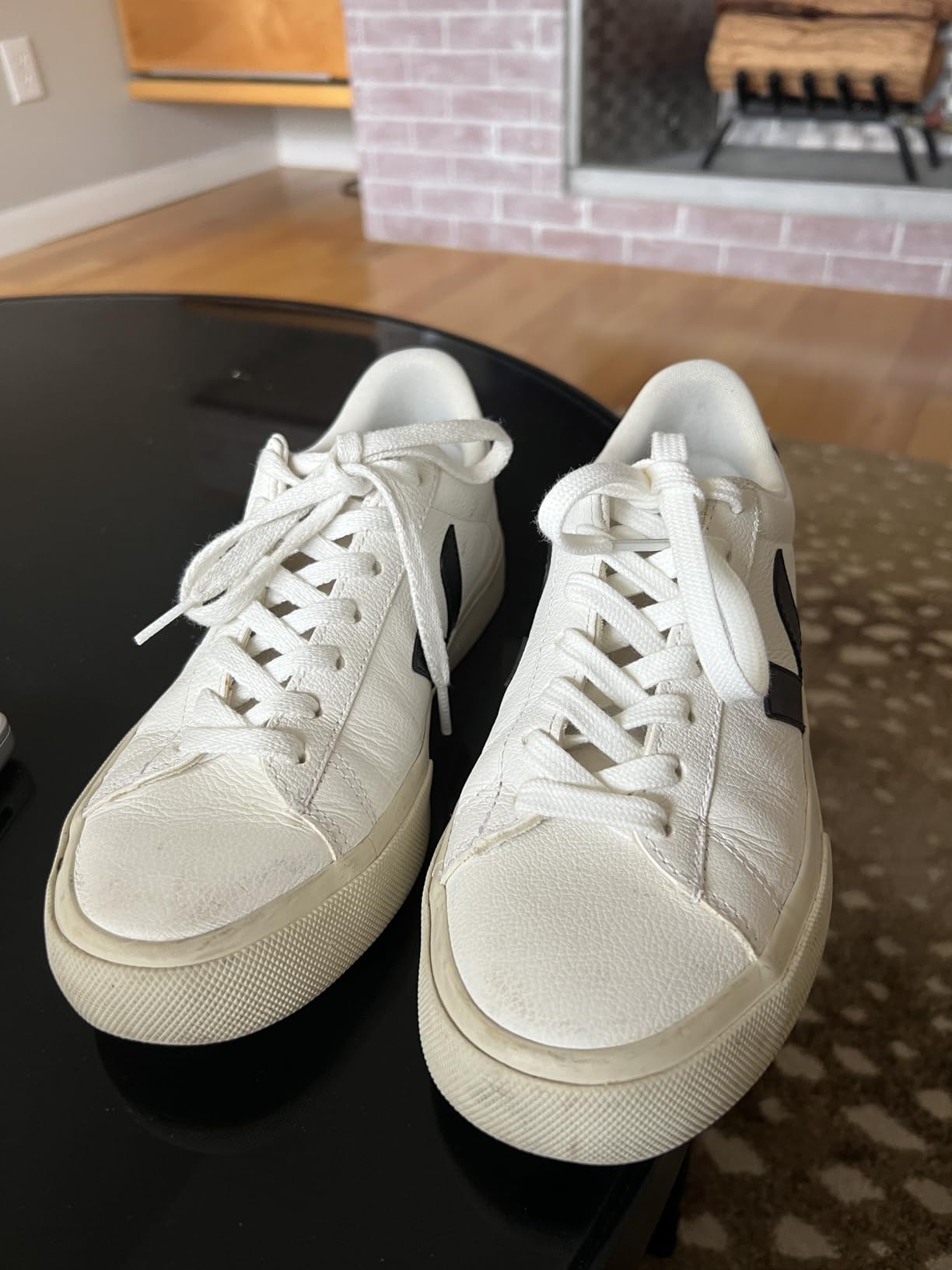
The Handshop Flat Athletic Shoelaces solve a specific problem well: you need quality replacement laces for everyday sneakers, you don’t want to deal with laces that come untied constantly, and you’d rather not pay OEM prices for something this basic.
The cotton construction genuinely outperforms standard synthetic OEM laces in the ways that matter for daily use — it stays tied, washes cleanly, and holds its appearance over time. The eyelet-count sizing system turns a frustrating purchase into a reliable one. Two pairs for ~$15 is objectively good value against the $8–12 per pair OEM alternative.
The limitations are honest and bounded: not designed for intense athletic performance, not every color is exactly as shown, max length of 63″ won’t work for tall boots. None of those are dealbreakers for the intended use case — everyday lifestyle sneakers for a family.
At 8.3/10, these earn a clear recommendation for anyone in that target group. My son’s AND1s have stayed tied through two more weeks of basketball since I finished the formal test. That’s the kind of proof that matters.
✅ What Works
- Cotton texture grips well — stays tied all day without double-knotting
- Eyelet-count sizing system is genuinely reliable across shoe types
- Washes well — no shrinkage, no fading, aglets stay secure
- Two pairs for $15 beats OEM pricing significantly
- Works for all ages from young kids through adults
- Softens with use while maintaining structural integrity
❌ Limitations
- Cotton absorbs moisture — not suitable for intense athletic performance
- “White” is off-white/cream, not bright white
- May be too thick for very narrow eyelets
- Max 63″ — won’t work for tall boots
- Brief break-in stiffness (resolves by day 3–4)
Be the first to review “Handshop 2 Pairs Flat Athletic Shoelaces 5/16″”
Related products
Accessories
Accessories
Accessories
Accessories
Accessories
Accessories
Reviews
There are no reviews yet.