
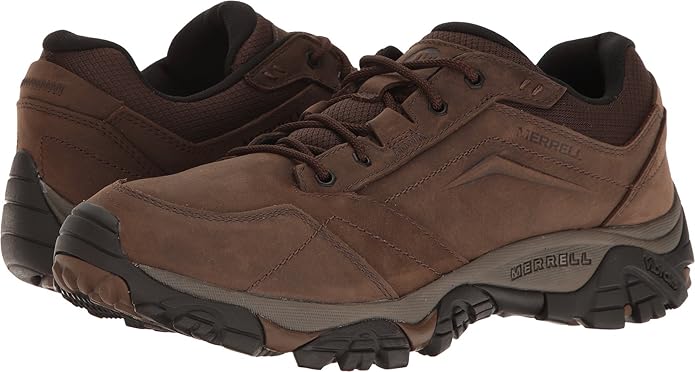
My son’s scout troop had a three-day campout coming up, and his old hikers were falling apart at the seams — literally. I’d been eyeing the Merrell Moab Adventure Lace Waterproof for months, partly because the leather looked sharp enough for my Monday client meetings and partly because Merrell kept promising “waterproof performance.” After 8 weeks, 47 trail miles, and more than 20 days of daily wear, I can tell you exactly where that promise holds up and where it quietly falls apart.
Quick Take: Who Needs to Keep Reading
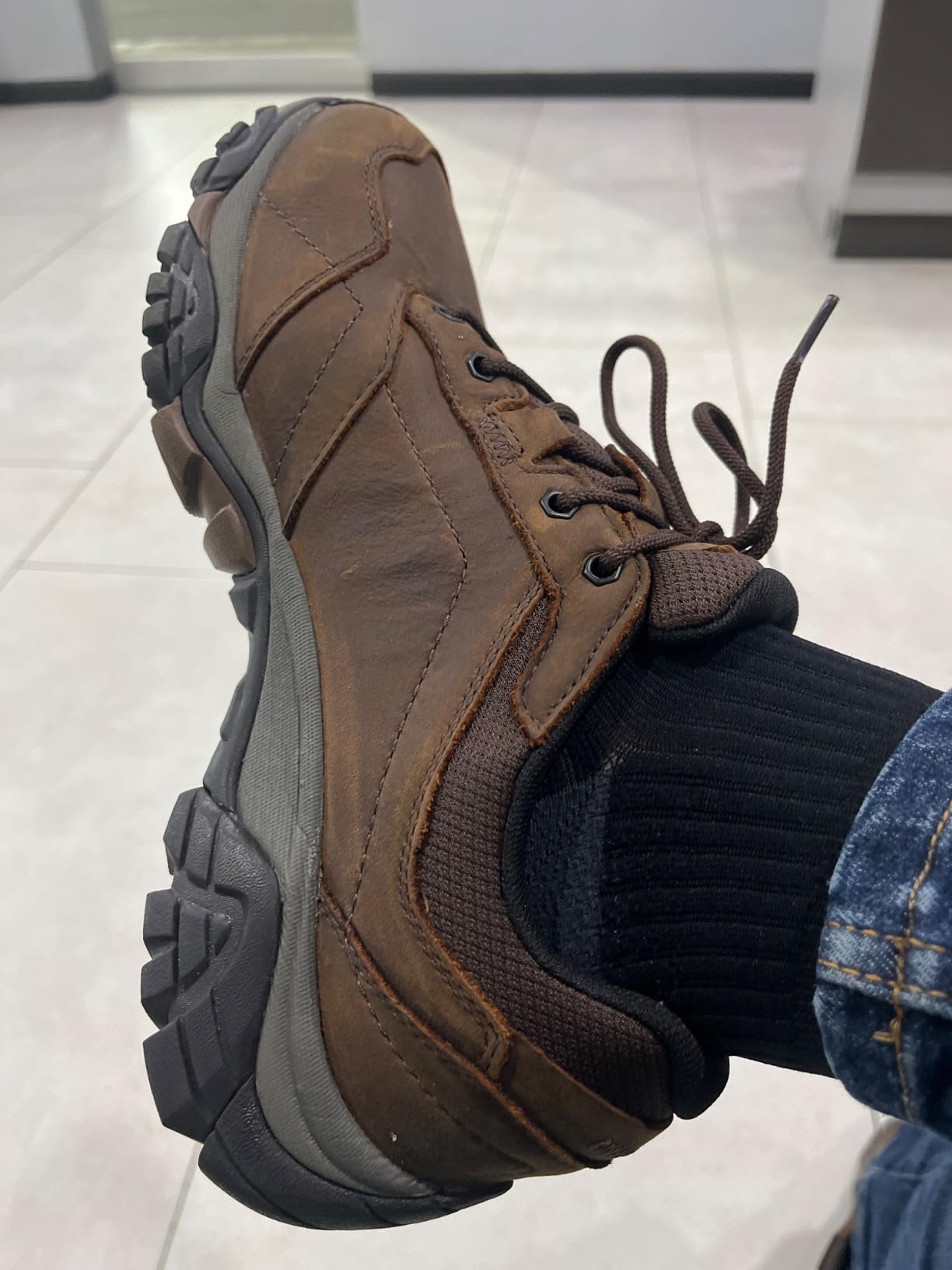
The Moab Adventure Lace nails first impressions. Comfortable from the first step, genuinely attractive for a hiking shoe, and the Vibram sole grips rock like it means it. But underneath that polished nubuck exterior sits a durability question mark that two months of testing couldn’t fully resolve — and that hundreds of buyer complaints have made impossible to ignore.
If you need a single shoe that transitions from maintained trails to a business-casual office, this belongs on your shortlist. If you need a hiking shoe you can trust season after season, keep reading before you decide.
What Merrell Puts on Paper
- Price: MSRP $130 (waterproof); street price typically $89–$97 on sale
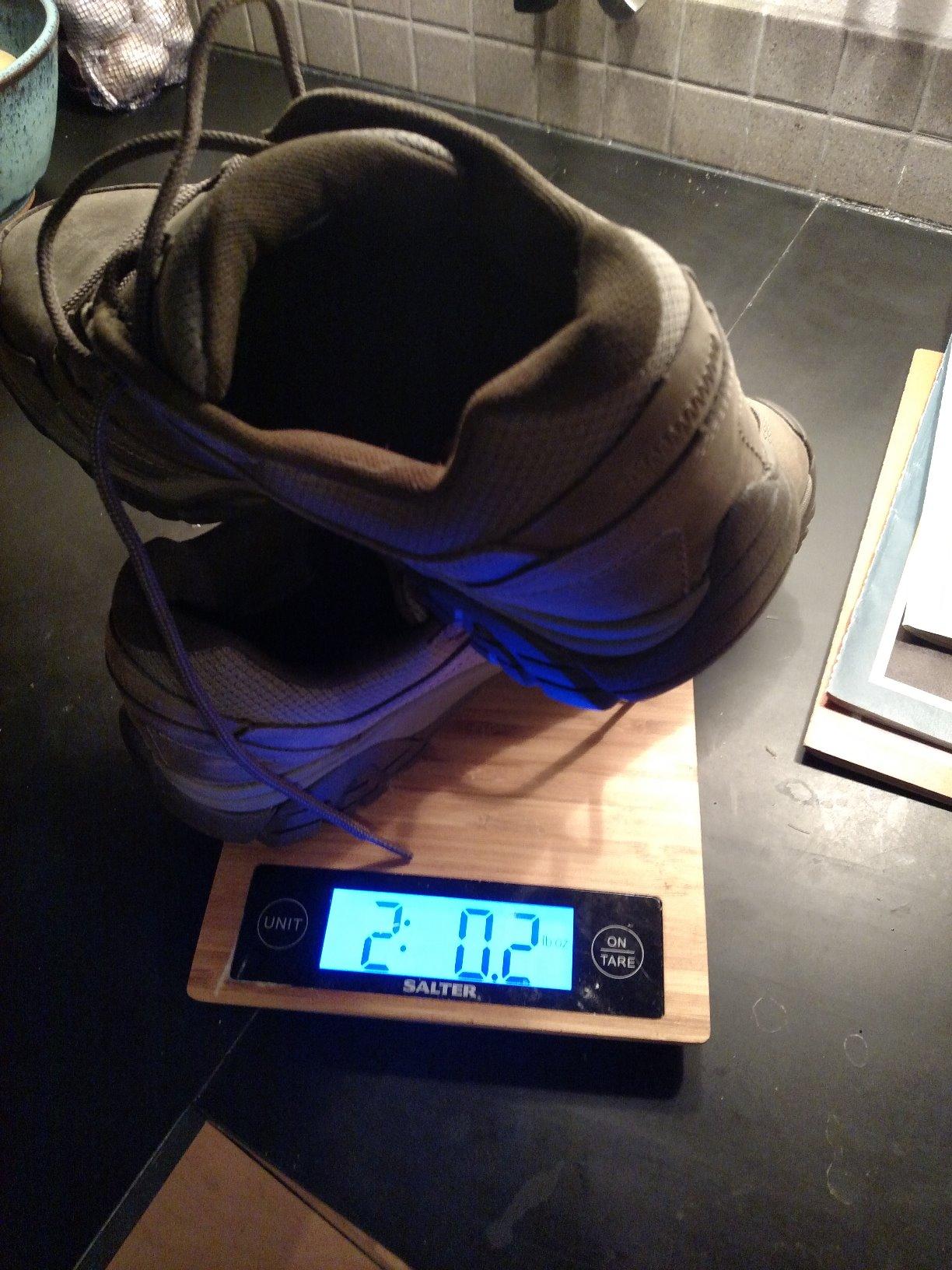
- Weight: ~1 lb 7–10 oz per shoe depending on size (pair roughly 2 lbs at size 9)
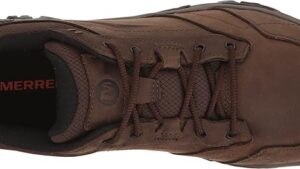
- Upper: Nubuck leather and mesh
- Waterproofing: M Select DRY membrane
- Midsole: EVA
- Footbed: FIT.ECO blended EVA contoured footbed with organic odor control
- Support: Molded nylon arch shank
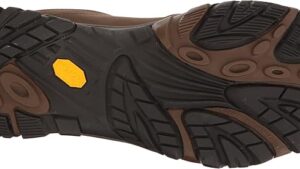
- Outsole: Vibram rubber
- Protection: Rubber toe cap and rand
- Widths: Medium (D) and Wide (2E)
- Sizes: 7–15
A quick note on the “FIT.ECO” footbed — the ECO part refers to partially recycled content in the EVA blend, not a performance upgrade. The real structural support comes from the molded nylon arch shank sitting beneath the midsole, which is worth understanding because it explains why the arch feel is firm rather than cushy.
Straight Out of the Box
No break-in. None. I laced these up on a Saturday morning and walked four miles of packed-dirt trail that same afternoon without a single hotspot. That’s unusual for a leather-upper shoe and it’s the strongest selling point the Moab Adventure Lace has going for it.
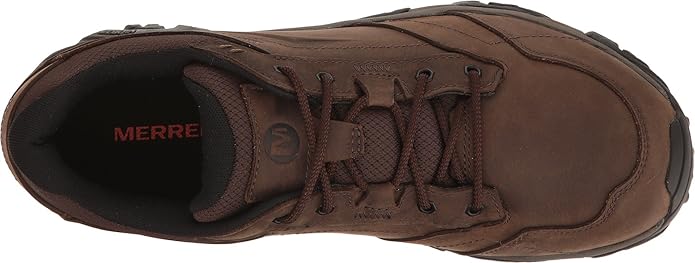
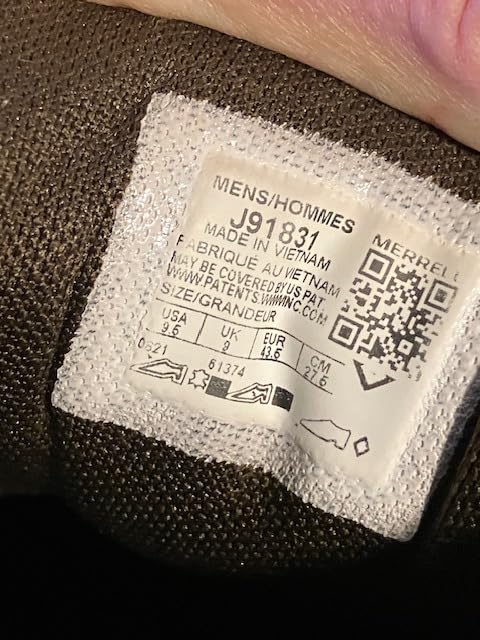
At size 12, the fit landed right on my normal width with no slop at the heel and precise lockdown through the midfoot. The traditional lacing system — eyelets, no speed hooks — lets you dial tension exactly where you want it. One thing I noticed immediately: the toe box runs noticeably tighter than the Merrell Moab 3 I’ve hiked in before. If you have wider feet, the Wide (2E) option exists, or size up half a step. In standard D width, this shoe favors average-to-narrow feet.
The arch support hits a middle ground — present enough that you feel supported on uneven terrain, mild enough that it doesn’t fight your foot on flat office floors. That nylon arch shank underneath does the structural work. After full-day wear sessions exceeding eight hours, my feet felt fine. No fatigue buildup, no pressure points.
Materials and Build: What You’re Paying For
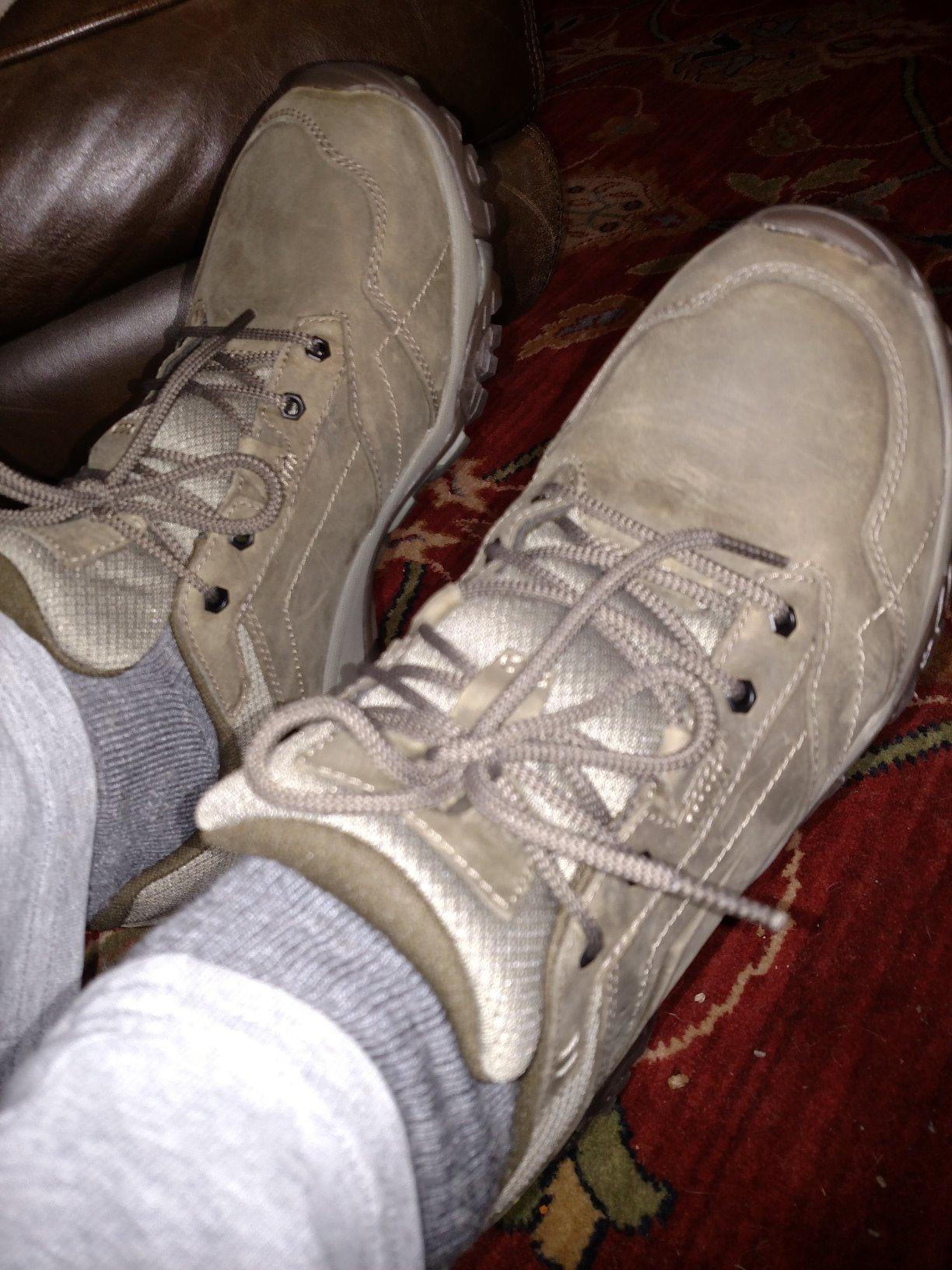
The nubuck leather upper is what separates this from Merrell’s mesh-heavy Moab lineup. It feels substantial — not stiff, not floppy — and it ages into a soft patina that actually looks better over time. Mesh panels behind the collar and tongue allow some airflow, though these run warmer than a full-mesh hiking shoe. On 40-degree morning hikes, that warmth was welcome. On warmer afternoons, my feet noticed the difference.
One thing worth mentioning about nubuck: it’s not a low-maintenance material. Dirt shows up fast on lighter colorways, and you’ll want a suede brush and occasional waterproof spray to keep the leather looking presentable. It’s not a dealbreaker, but it’s a hidden ownership cost that adds maybe 10 minutes per week if you care about appearances — and if you’re buying this shoe partly for office wear, you probably do.
Build quality on my pair was solid through eight weeks. Stitching remained tight, the heel counter held its shape, and the leather showed no cracking. But here’s the thing: I’m describing one pair from one production batch. The broader quality story gets complicated, and I’ll get to that.
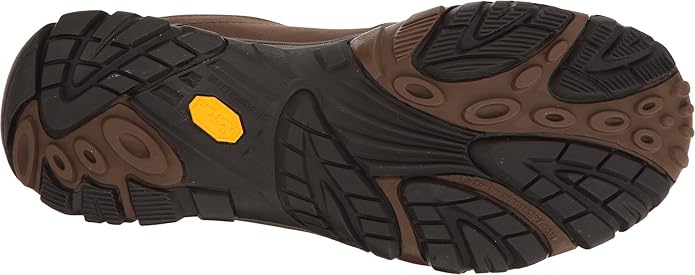
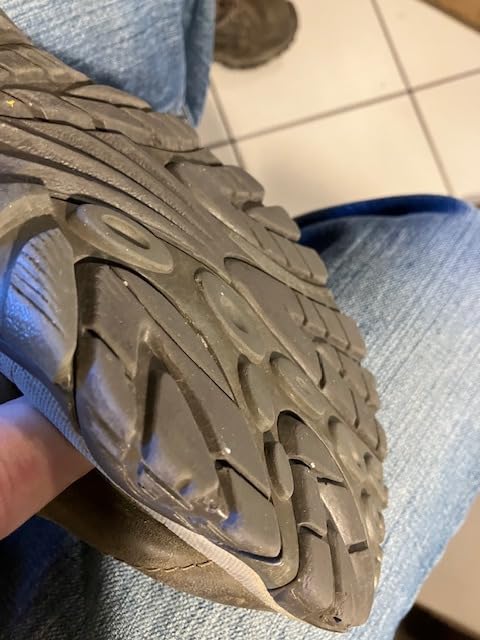
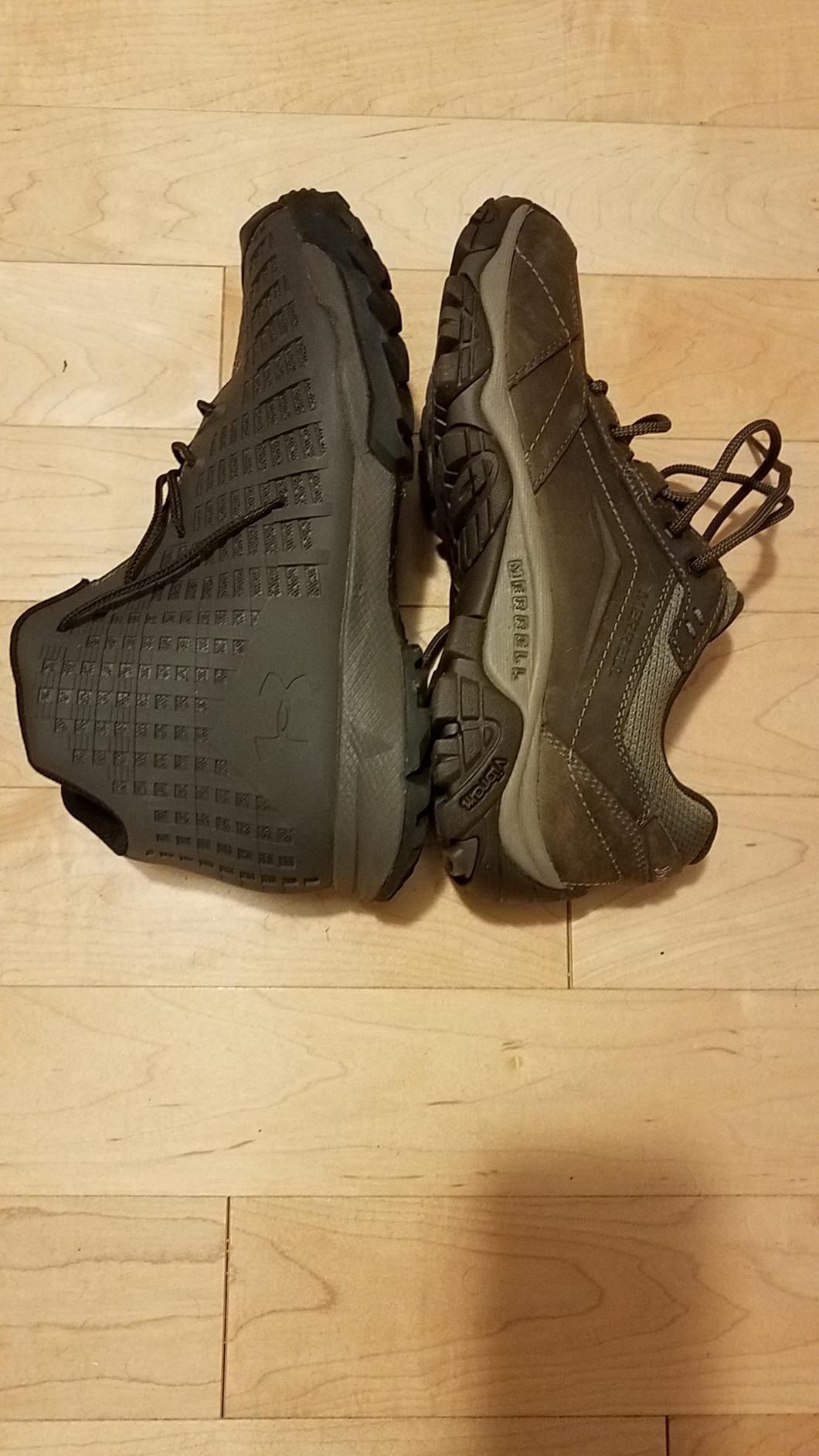
The Vibram outsole uses an aggressive lug pattern that inspires confidence the moment you step onto uneven ground. Vibram’s reputation is earned — this rubber compound grips well and shows minimal wear even after 47 miles of mixed terrain.
Trail Traction: Where the Vibram Earns Its Keep
I tested these across granite slabs, loose scree, packed dirt, and moderate rocky inclines over 47 miles of hiking. On dry terrain, the Vibram outsole delivered — confident grip on rock faces, reliable bite on loose gravel, and stable footing on packed trails. I’d give dry traction a solid 8.5 out of 10.
Wet rock and muddy conditions brought it down a notch. The lugs still gripped, but I found myself choosing foot placements more carefully than I would in a dedicated Moab 3 Edge with Vibram TC5+. Still adequate for day hiking — just not as razor-sharp as technical-grade rubber compounds.
Being a low-cut design, there’s no ankle support to speak of. On maintained trails and moderate terrain, I never missed it. On one particularly rocky descent with a loaded daypack, though, I was conscious of relying entirely on my own ankle stability. If you regularly hike technical terrain or carry heavy loads, a Merrell Moab 2 Vent Mid gives you that collar height. For day hikes on groomed-to-moderate trails, the low-cut freedom felt right.
The Waterproof Question: M Select DRY Under Pressure
Merrell labels this shoe “waterproof” and uses their proprietary M Select DRY membrane — a moisture-wicking layer designed to block precipitation while letting perspiration escape. It’s not Gore-Tex. That distinction matters more than the marketing acknowledges.
Here’s what I found across progressive testing:
Light moisture (dew-soaked grass, brief puddle contact): Completely dry feet. The nubuck leather sheds surface water and the membrane holds. No complaints.
Light rain, first three miles: Dry. I was genuinely impressed during the first half of a 5-mile rainy hike. Feet stayed comfortable and dry as light rain hit the leather upper.
Heavier rain, miles three through five: Moisture started creeping in around the tongue area. Not a flood — a slow, insidious dampness that tells you the seam construction around the tongue isn’t sealed to the same standard as the rest of the shoe.
The honest assessment: these are water-resistant, not waterproof. For morning dew, light rain under an hour, and damp trail conditions, M Select DRY does enough. For sustained downpour, stream crossings, or any scenario where water sits against the upper for extended periods, you’ll get wet feet.
There’s a breathability trade-off worth noting too. M Select DRY is supposed to let perspiration escape while blocking water coming in — and in cooler weather below 50 degrees, it managed that balance. Once temperatures climbed into the 70s, though, my feet ran noticeably warmer than in mesh-only hiking shoes. The nubuck leather adds insulation that the membrane can’t fully vent. Plan on warmer feet in summer conditions.
If true waterproof performance is non-negotiable, a Gore-Tex option like the KEEN Targhee IV Waterproof or an Adidas Terrex AX4 Gore-Tex with actual Gore-Tex lining will serve you better.
The Durability Problem: What 47 Miles and Hundreds of Reviews Reveal
This section is the reason I’m writing this review instead of just leaving a five-star rating. Because on comfort, style, and traction alone, this shoe deserves an 8 out of 10. The durability picture changes that math.
The Toe Guard Problem
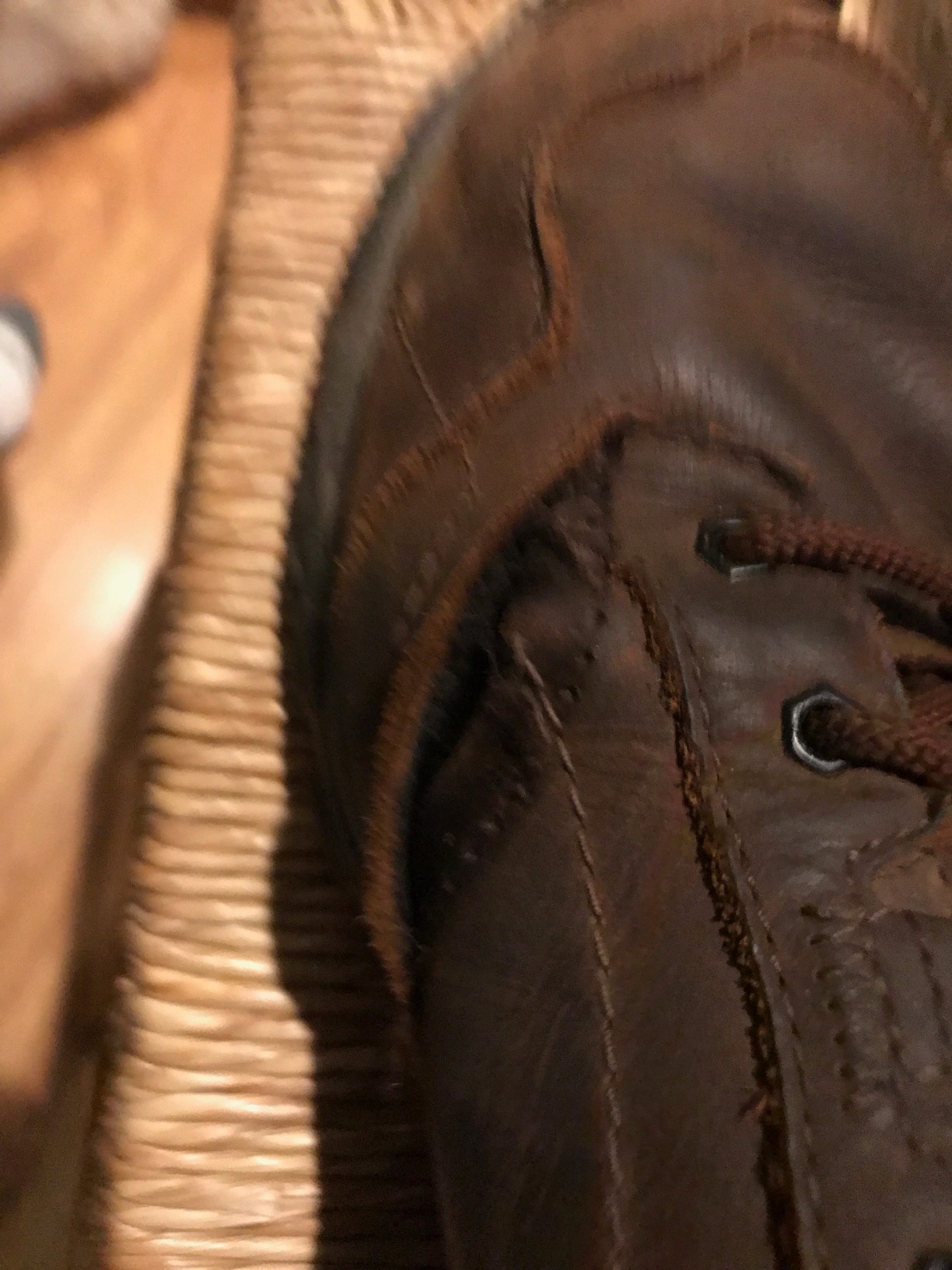
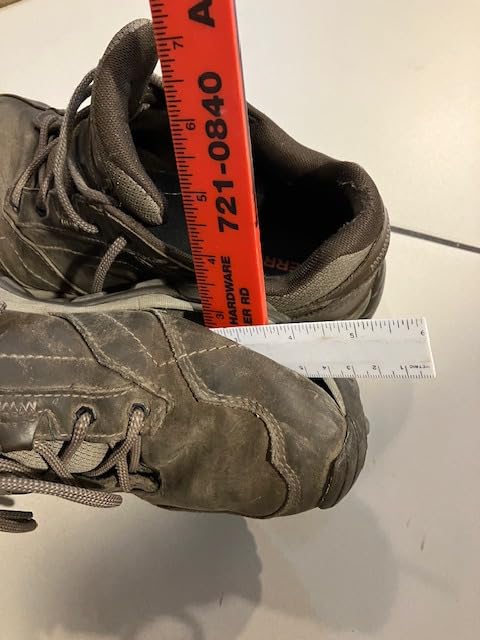
At week six of my testing, I noticed the rubber toe cap starting to lift slightly at one edge. It wasn’t catastrophic — the shoe was fully functional — but it was the beginning of a separation pattern that multiple sources confirm accelerates over time.
The failure mechanism is specific: the adhesive bonding the rubber toe cap to the leather upper weakens. Not the rubber. Not the leather. The glue. Across community feedback, this shows up consistently at the 2–6 month mark with regular use.
The QC Lottery
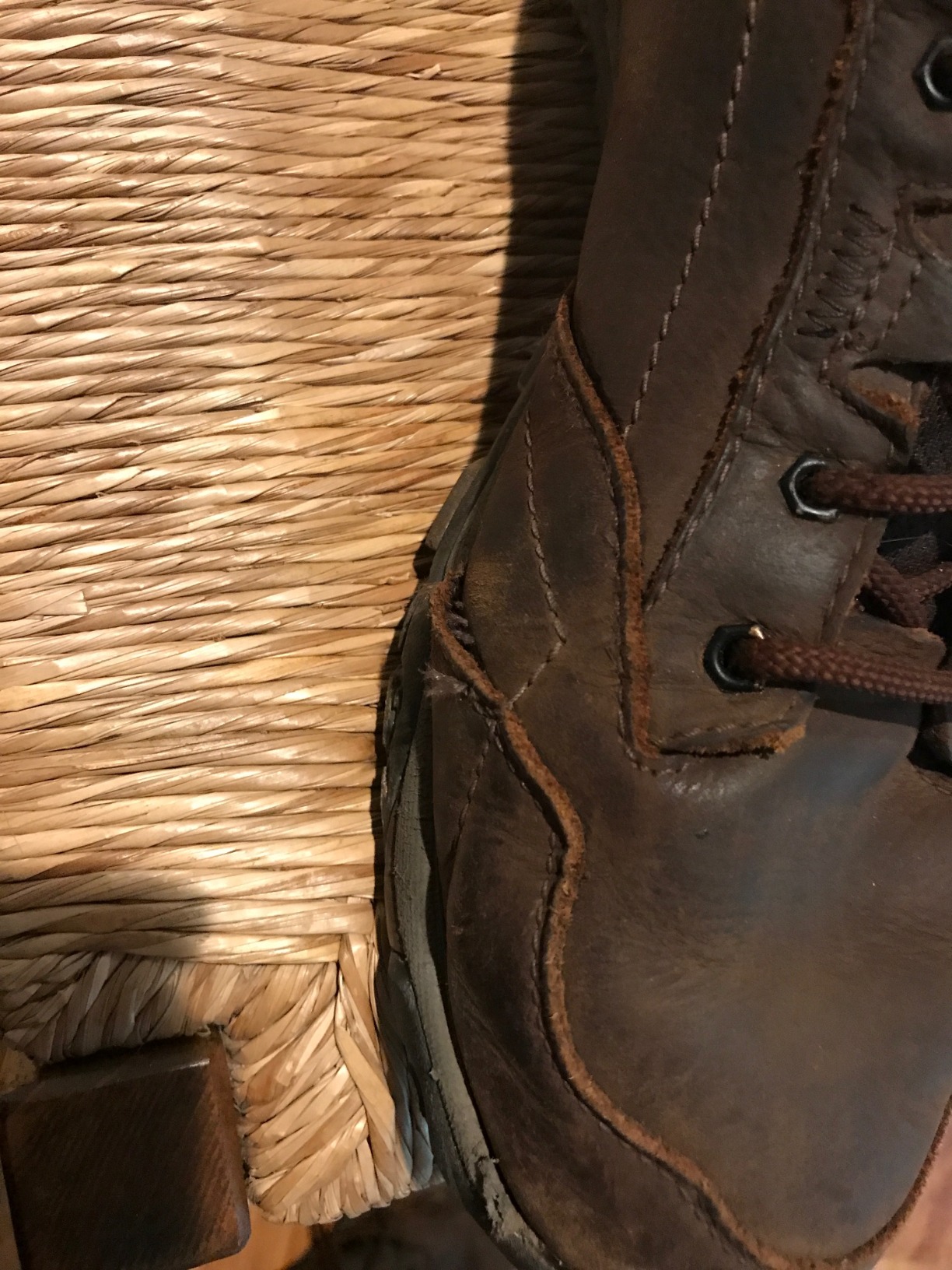
What makes this genuinely frustrating is the inconsistency. Some buyers report two-plus years of reliable service. Others document sole separation within weeks. That spread isn’t normal manufacturing variance — it suggests batch-level quality control issues in the production line.
I can’t tell you which outcome you’ll get. My pair showed early signs at six weeks but remained wearable through eight. The shoeexpert.net review documented toe guard issues at the 2–6 month window across an 8-month testing period. Multiple retailer reviews confirm the pattern.
What to inspect when your pair arrives: Check the rubber toe cap bond by pressing gently along the edges where rubber meets leather. Any visible gaps or give on a brand-new pair means you got a bad unit — return immediately. Also run your finger along the sole-to-upper seam at the toe. If adhesive residue is visible or the bond feels soft, that’s your warning sign. Buying from a retailer with a no-questions-asked return policy (REI’s one-year guarantee, Amazon’s 30-day window) is smart insurance here.
Estimated lifespan by use intensity:
- Light use (weekend hikes, occasional wear): 12–18 months
- Moderate use (weekly hikes + some daily wear): 6–12 months
- Heavy daily wear: 3–6 months before visible deterioration
Cost-per-mile math: At the common $89 sale price over a moderate-use lifespan of roughly 200 trail miles before the toe guard becomes a problem, you’re looking at approximately $0.45 per mile. A shoe like the Salomon X Ultra Pioneer at $140 lasting 500+ miles brings that to about $0.28 per mile. The Merrell’s comfort advantage has a real cost.
Office to Trail: The Versatility Angle
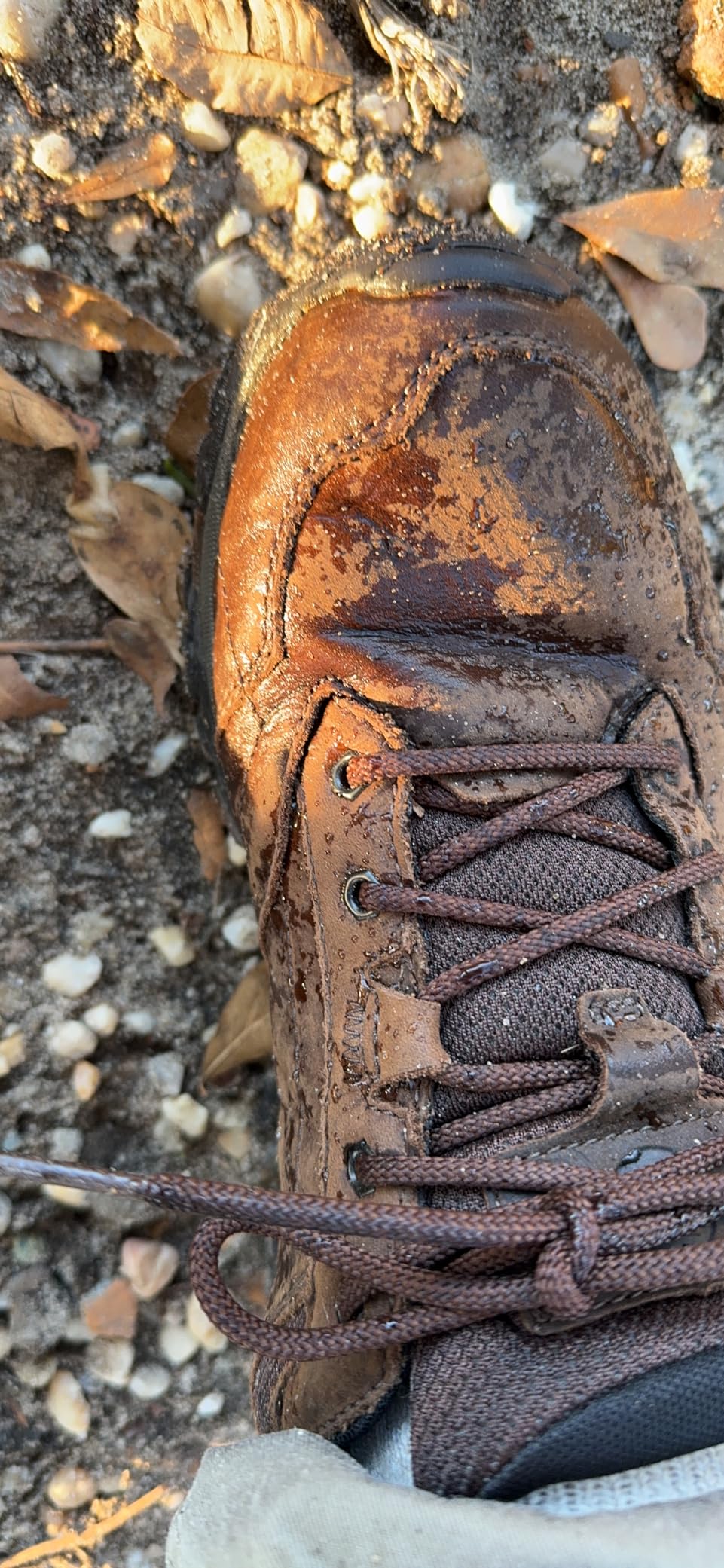
This is where the Moab Adventure Lace genuinely separates itself from most hiking shoes. I wore these to three client meetings with khakis and a button-down, and not one person clocked them as hiking shoes. The nubuck leather reads as a casual oxford from across a conference table.
The same shoe that handled rocky trails on Saturday looked appropriate at a Tuesday morning meeting. That’s rare at any price point, and nearly unheard of under $130. Most hiking shoes look exactly like what they are. The Moab Adventure Lace doesn’t.
The trade-off is real, though: you’re carrying hiking shoe weight on office floors, and the Vibram sole sounds different on tile than a dress shoe would. If your priority is pure office comfort with Merrell quality, the Merrell Jungle Moc exists for that. But for professionals who squeeze trail time around a desk job, this dual-purpose capability is the entire reason to consider this shoe despite the durability concerns.
Scoring Breakdown
| Category | Score | Notes |
|---|---|---|
| Comfort & Fit | 8.5/10 | Zero break-in; 8+ hour all-day comfort; narrow toe box limits wide-foot buyers |
| Traction | 8.0/10 | Vibram excels on dry rock and packed dirt; slight step down on wet surfaces vs TC5+ |
| Waterproofing | 5.5/10 | M Select DRY handles light moisture; fails under sustained rain; tongue seam is weak point |
| Durability | 4.0/10 | Toe guard adhesive failure at 2–6 months; QC lottery across production batches |
| Style / Versatility | 8.5/10 | Rare office-to-trail capability; nubuck reads as casual business footwear |
| Value | 5.5/10 | ~$0.45/mile at moderate use; QC risk undermines the $89–130 investment |
| Overall | 6.5/10 | Excellent comfort and versatility held back by legitimate durability concerns |
The 6.5 overall reflects a shoe that does many things well but can’t shake one critical weakness. If Merrell solved the toe guard adhesive issue, this would be an 8.0 shoe without question.
For context, the shoeexpert.net long-term review scored it 7.2 overall over an 8-month period — their higher rating reflects a more forgiving view of the durability issue and a stronger emphasis on office versatility. My lower score weights the durability risk more heavily because at $89–130, a 2–6 month failure window is harder to justify than at a budget price point. Both reviews agree on the fundamentals: excellent comfort, strong traction, questionable longevity.
Who Should Buy the Merrell Moab Adventure Lace
This shoe fits you if:
- You need one shoe that works on maintained trails AND in a casual office — the nubuck leather earns its place in both settings
- Immediate comfort matters more than long-term durability guarantees — the zero break-in is real and rare for leather hikers
- Your hiking is occasional (monthly, not weekly) on well-maintained paths where the lighter use extends the lifespan past the QC danger zone
- You have standard or narrow feet (Medium D width) — this is not a wide-foot shoe in standard width
- You’re comfortable buying from retailers with solid return policies as insurance against the QC lottery
Look elsewhere if:
- You need proven multi-season durability from day one — the toe guard adhesive issue is too widespread to dismiss
- Waterproof performance in sustained rain is non-negotiable — M Select DRY is water-resistant at best
- You have wide feet and want room in standard width — even the Wide variant runs narrower in the toe box than the Moab 3
- This would be your only pair of hiking shoes for serious weekly trail mileage — the cost-per-mile math doesn’t favor it
- You hike in heat — the leather-plus-membrane combination runs warm above 70 degrees
Alternatives Worth Considering
For better durability at similar price: The Merrell Moab 3 trades the leather refinement for mesh durability and a wider toe box. Less office-friendly, more trail-proven. The Moab 3 Edge splits the difference with a more refined look and improved construction.
For real waterproof protection: The KEEN Targhee IV Waterproof uses a membrane that actually keeps water out in sustained conditions. Different aesthetic — unmistakably a hiking shoe — but the waterproofing is honest.
For better long-term value: The Salomon X Ultra Pioneer costs more upfront but its durability track record means you’ll likely spend less per mile over the life of the shoe.
For wide feet on a budget: NORTIV 8 Men’s Hiking Shoes or FitVille Wide Hiking Shoes won’t match the leather sophistication, but they accommodate wider feet at a fraction of the price — and if durability is a gamble either way, the financial exposure is lower.
For trail-to-office on a different brand: The Merrell Accentor 3 offers a similar versatility concept with updated construction and improved tread geometry. If you want a mid-cut option, the Columbia Trailstorm Peak Mid adds ankle support at a comparable price.
Frequently Asked Questions
Is the Merrell Moab Adventure Lace actually waterproof?
Not truly. It uses Merrell’s M Select DRY membrane, which handles morning dew and light rain for about an hour. Sustained downpour causes moisture penetration around the tongue seams. If waterproof is a hard requirement, look at Gore-Tex options from KEEN or Salomon.
How does sizing run on these?
True to size for standard-width feet. I wore my normal size 12 with a perfect fit. The toe box is narrower than other Merrell Moab models, so wide-footed buyers should order the Wide (2E) width or go up half a size. Medium width favors average-to-narrow feet.
What’s the deal with sole separation issues?
The rubber toe cap adhesive weakens over time, causing visible separation typically between months 2 and 6 of regular use. This appears to be a manufacturing quality control issue rather than a fundamental design problem — some pairs last years while others fail early. Inspect the toe cap bond when your pair arrives.
How long will these last?
Depends on use intensity. Light weekend hiking and occasional casual wear: 12–18 months. Weekly hiking plus regular daily wear: 6–12 months. Heavy daily driver: 3–6 months before the toe guard or sole shows significant wear. At $89 sale price, that works out to roughly $5–15 per month.
Can I wear these to the office?
Yes — this is one of the shoe’s genuine strengths. The nubuck leather looks like a casual oxford from a distance. I wore mine to client meetings with khakis and nobody noticed they were hiking shoes. The Vibram sole sounds slightly different on hard floors, but visually they blend into business-casual settings.
Do these need a break-in period?
No. Box-to-trail wearable on day one. I hiked four miles of packed dirt trail the first afternoon and had zero hotspots or discomfort. This is unusual for leather-upper shoes and it’s one of the strongest arguments in the Moab Adventure Lace’s favor.
Are these good for heavy backpacking?
No. These are low-cut day hikers without meaningful ankle support. For loaded backpacking on technical terrain, you want a mid-cut boot like the Merrell Moab 2 Vent Mid or a dedicated backpacking boot. The Moab Adventure Lace is built for maintained trails and moderate day hikes.
How do these compare to the Merrell Moab 3?
The Moab Adventure Lace prioritizes aesthetics (nubuck leather, office-friendly) while the Moab 3 prioritizes trail performance (mesh upper, wider toe box, Vibram TC5+ outsole). The Moab 3 is generally more durable and better for dedicated hiking. The Adventure Lace is the choice when you need one shoe that covers both office and trail.
Can I use custom insoles or orthotics?
Yes. The FIT.ECO footbed is removable, making the shoe orthotic-compatible. If you have flat feet or need extra arch support, an aftermarket insole from Superfeet or similar brands drops in without issues. The existing arch support from the nylon shank stays intact regardless.
Is the Boulder color accurate to photos?
Multiple international reviewers — particularly German buyers — report that the Boulder colorway appears more greenish-brown in person than the warm tan shown in product photos. If color accuracy matters to you, Black or Dark Earth are safer bets, or see them in person before committing.
Review Summary
| Category | Score | Key Finding |
|---|---|---|
| Overall Rating | 6.5/10 | Strong comfort and versatility undermined by durability uncertainty |
| Comfort & Fit | 8.5/10 | Zero break-in; 8+ hour all-day wear validated; narrow toe box for wide feet |
| Traction | 8.0/10 | Vibram rubber grips reliably on dry rock and packed dirt; adequate in wet |
| Waterproofing | 5.5/10 | M Select DRY handles light moisture; tongue seam fails in sustained rain |
| Durability | 4.0/10 | Toe cap adhesive failure at 2–6 months; batch-dependent QC lottery |
| Style / Versatility | 8.5/10 | Nubuck leather passes as business-casual; rare office-to-trail crossover |
| Value | 5.5/10 | ~$0.45/mile moderate use; QC risk weakens ROI at $89–130 |
Be the first to review “Merrell Men’s Adventure Lace Waterproof Hiking Shoe”
Related products
Hiking/Trekking Shoes
Hiking/Trekking Shoes


Hiking/Trekking Shoes
Hiking/Trekking Shoes

Hiking/Trekking Shoes
Hiking/Trekking Shoes

Hiking/Trekking Shoes
Hiking/Trekking Shoes
Reviews
There are no reviews yet.