
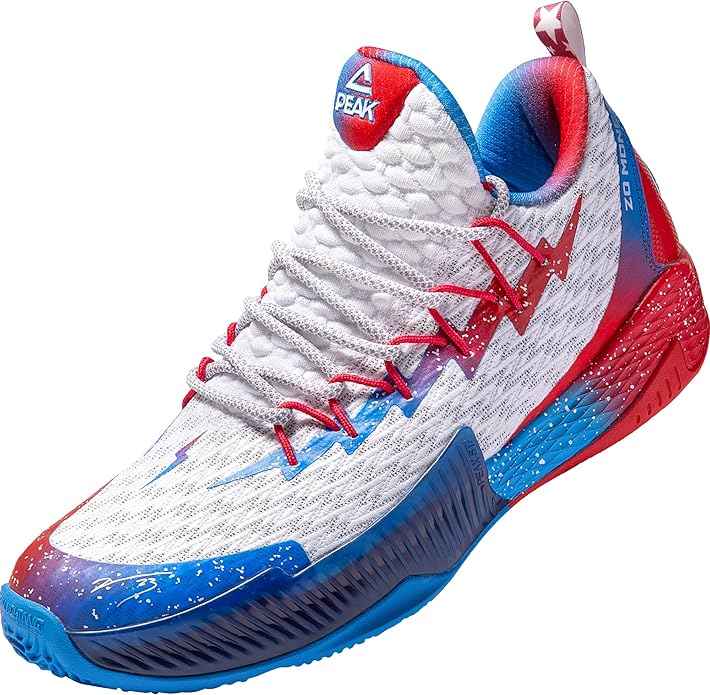
Three separate guys showed up to the rec center last month in the same shoe. No coordination, no group chat — just three pickup ballers who’d independently landed on the PEAK Lou Williams Lightning. At sixty bucks, I could see the logic. After testing over 200 pairs of basketball shoes across a decade, I had to see what was actually going on with these. So I grabbed a pair, ran them through 8 weeks of real court time, and found a shoe that genuinely surprises you — first with what it does well, then with what falls apart.
Technical Specifications
| 💰 Price: | $60–90 (Amazon), $99 PEAK direct |
| ⚖️ Weight: | 11.2 oz / men’s size 9 (reviewer-measured) |
| 🧪 Midsole: | P-motive EVA |
| 👟 Upper: | Textile mesh + synthetic leather, “all-in-one weaving” sock construction |
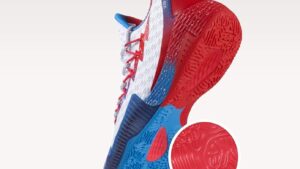
| 🔧 Outsole: | MD + rubber + TPU |
| 🔒 Closure: | Lace-up with integrated loops (no traditional eyelets) |
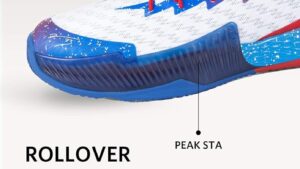
| 🛡️ Stability: | STA anti-rollover module (forefoot) |
| 🏀 Category: | Basketball shoes — indoor/outdoor |
| ⏱️ Testing: | 8 weeks, 24 court sessions, 48+ hours |
Design, Build Quality & Real-World Performance
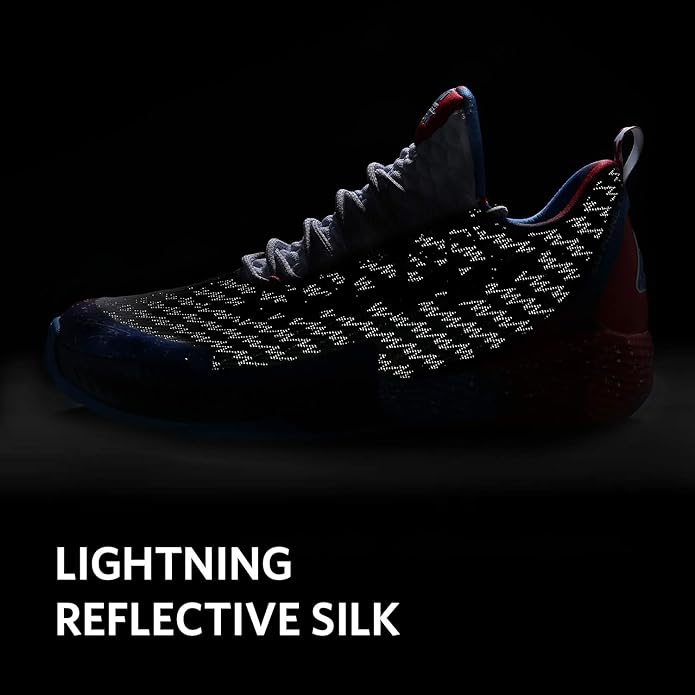
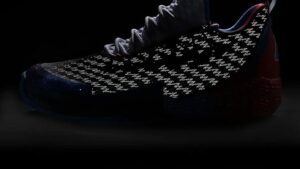
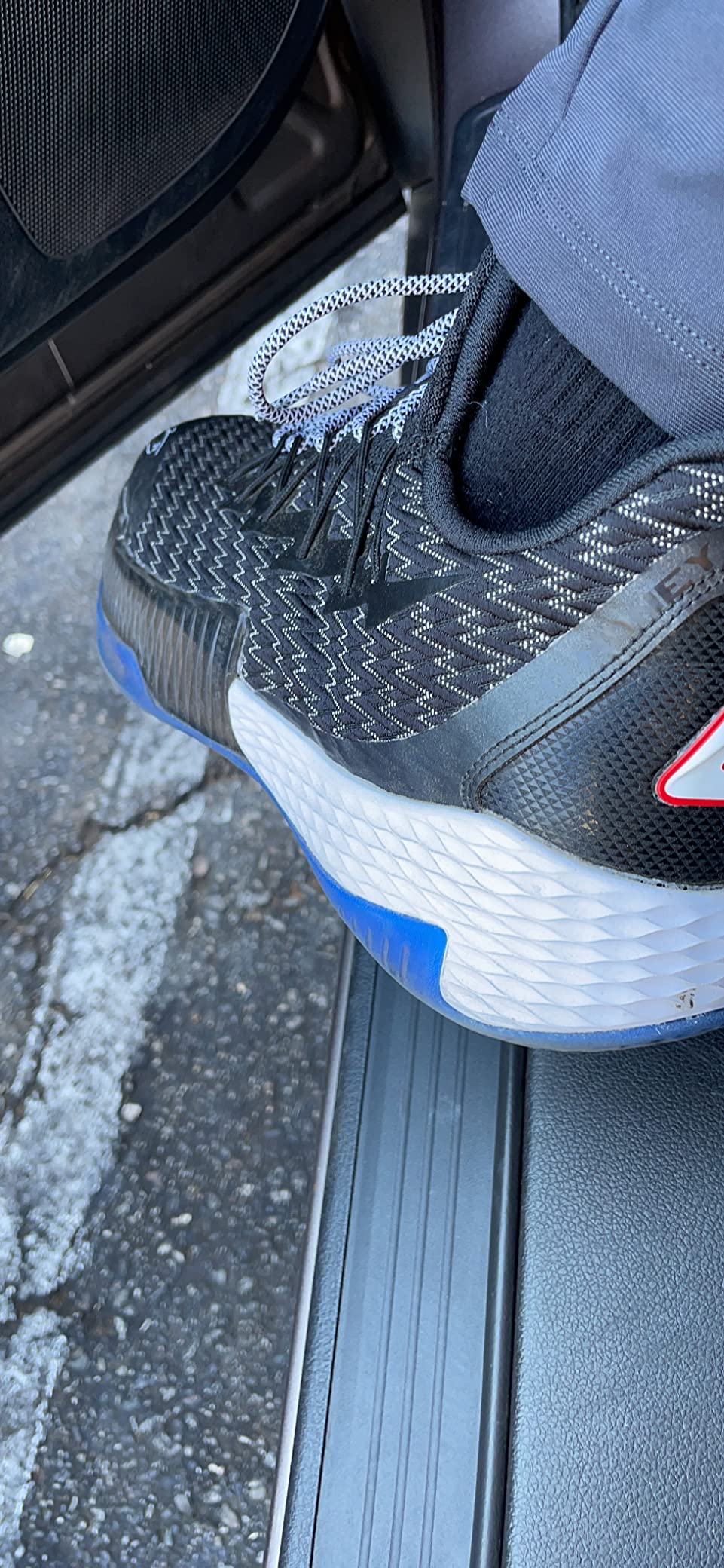
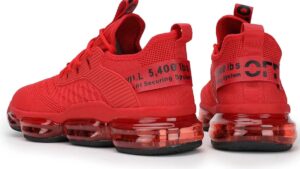
The Lou Williams cartoon logo on the tongue is going to divide people — that’s clearly intentional. Some of the guys at the gym loved the personality; one told me flatly it looked like a shoe designed for middle schoolers. Both reactions are valid. The lightning bolt reflective accents on the sides are a different story: genuinely impressive when light catches them, especially under camera flash. Post-game photos pop with these.
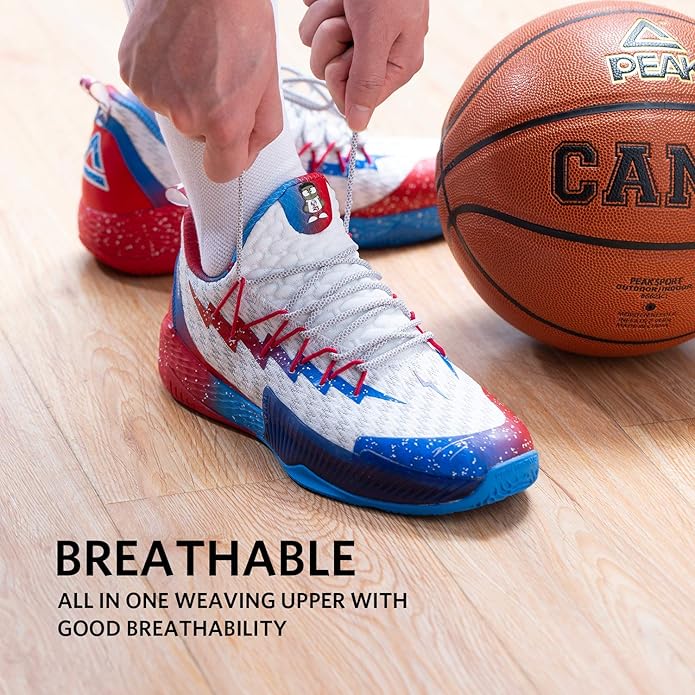
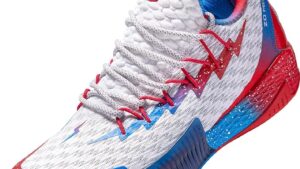
The construction is a sock-like design PEAK markets as “all-in-one weaving” — no traditional tongue, just a continuous upper that wraps the foot. This trend has been spreading across basketball footwear for a few years, and PEAK has executed it competently. The textile mesh breathes remarkably well for the price point; during 90-minute sessions in a warm gym, my feet stayed dry in a way that cheaper mesh uppers don’t always manage.
Sizing: More Complicated Than PEAK Admits
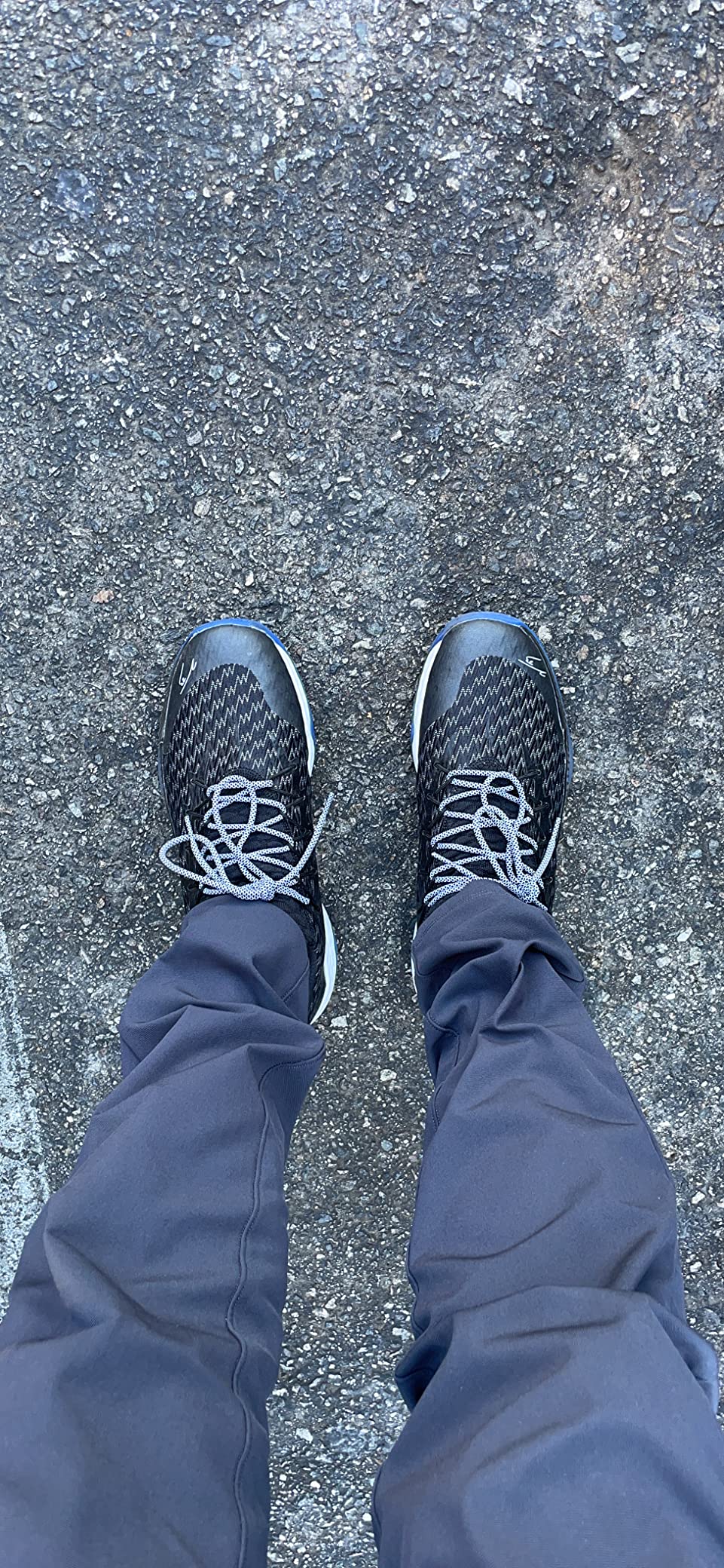
PEAK officially recommends sizing down half a size. After putting these through 24 sessions, I’d refine that guidance. For casual wear or players with wide feet, half a size down works well — there’s enough room in the toe box to stay comfortable over multiple hours. But for court basketball, where you want your foot locked in, a full size down gives you significantly better control during cuts and direction changes. I normally wear a size 10; at a 9, the lockdown was there, but it sat right at the edge of comfortable.
The integrated lacing compounds this. Without traditional eyelets, lace tension distributes across fewer stress points — each one bearing more load. Cinch them down hard and you’ll feel pressure on the top of your foot within 20 minutes. I had to find a middle-ground tension that felt locked enough for basketball without creating hotspots, which isn’t a compromise I want to make in a basketball shoe.
First Impressions vs. Reality
Out of the box, these feel like a $100 shoe. The construction quality is noticeably above what you’d expect at $60, the reflective details look premium, and the P-motive midsole has enough bounce on initial steps to seem promising. That early impression is real — for the first few sessions, the Lightning performs adequately for recreational basketball.
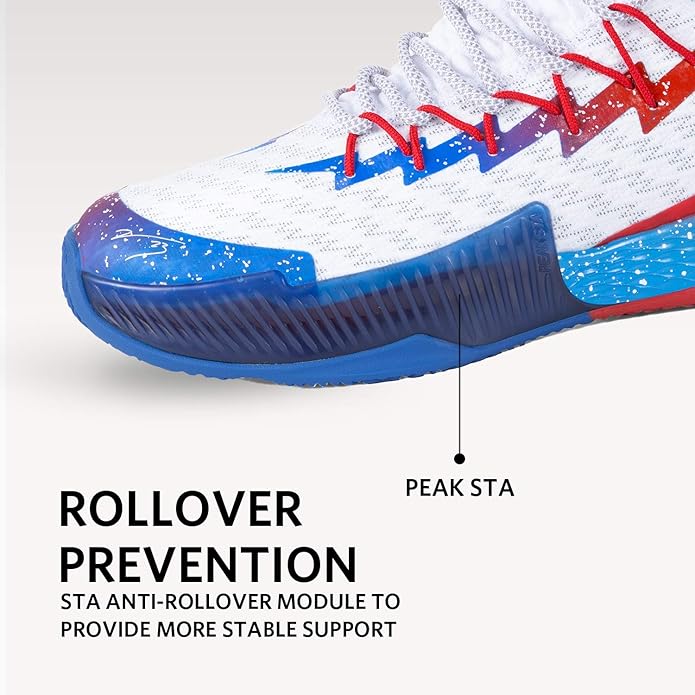
The STA anti-rollover module is a legitimate feature. During lateral movements and crossovers, I felt stable in a way that budget basketball shoes don’t always deliver. The forefoot design keeps you planted, and across 24 sessions I didn’t experience a single ankle roll. That’s worth noting because stability at this price point is genuinely unusual.
Performance in Various Basketball Conditions
Indoor Court Performance
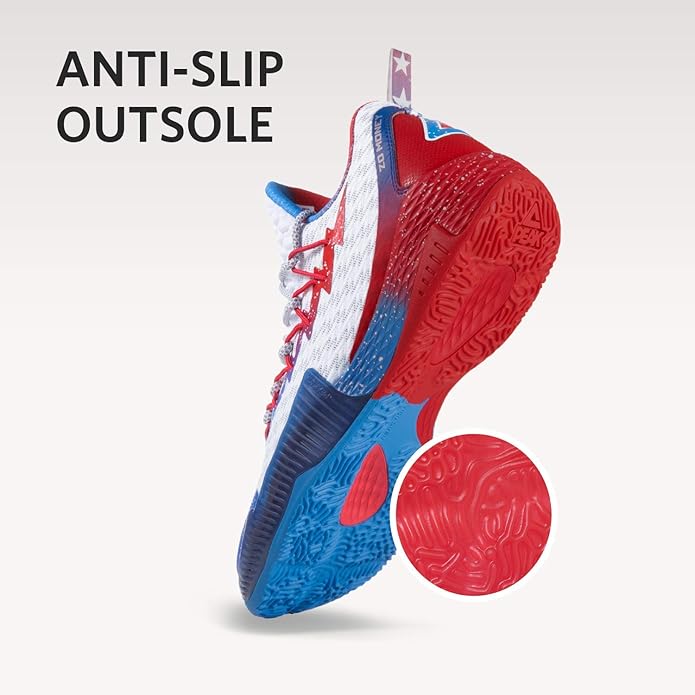
On clean hardwood, the Lightning handles casual basketball well. The traction pattern grips during straight-line drives and cuts, and you won’t be sliding during normal play. I tested on both clean hardwood and a gym floor that accumulates dust by the second half of games — clean courts were fine, dustier surfaces required wiping every few rotations, which is standard for most non-premium outsoles.
The breathability advantage I mentioned becomes especially relevant in longer sessions. Guys in the gym who sweat heavily will appreciate that the mesh keeps airflow moving. The 11.2-oz weight (I weighed these myself at size 9) feels genuinely light relative to the typical 13–14 oz range most players are used to. Coming from heavier basketball shoes, the difference on your feet is immediately noticeable.
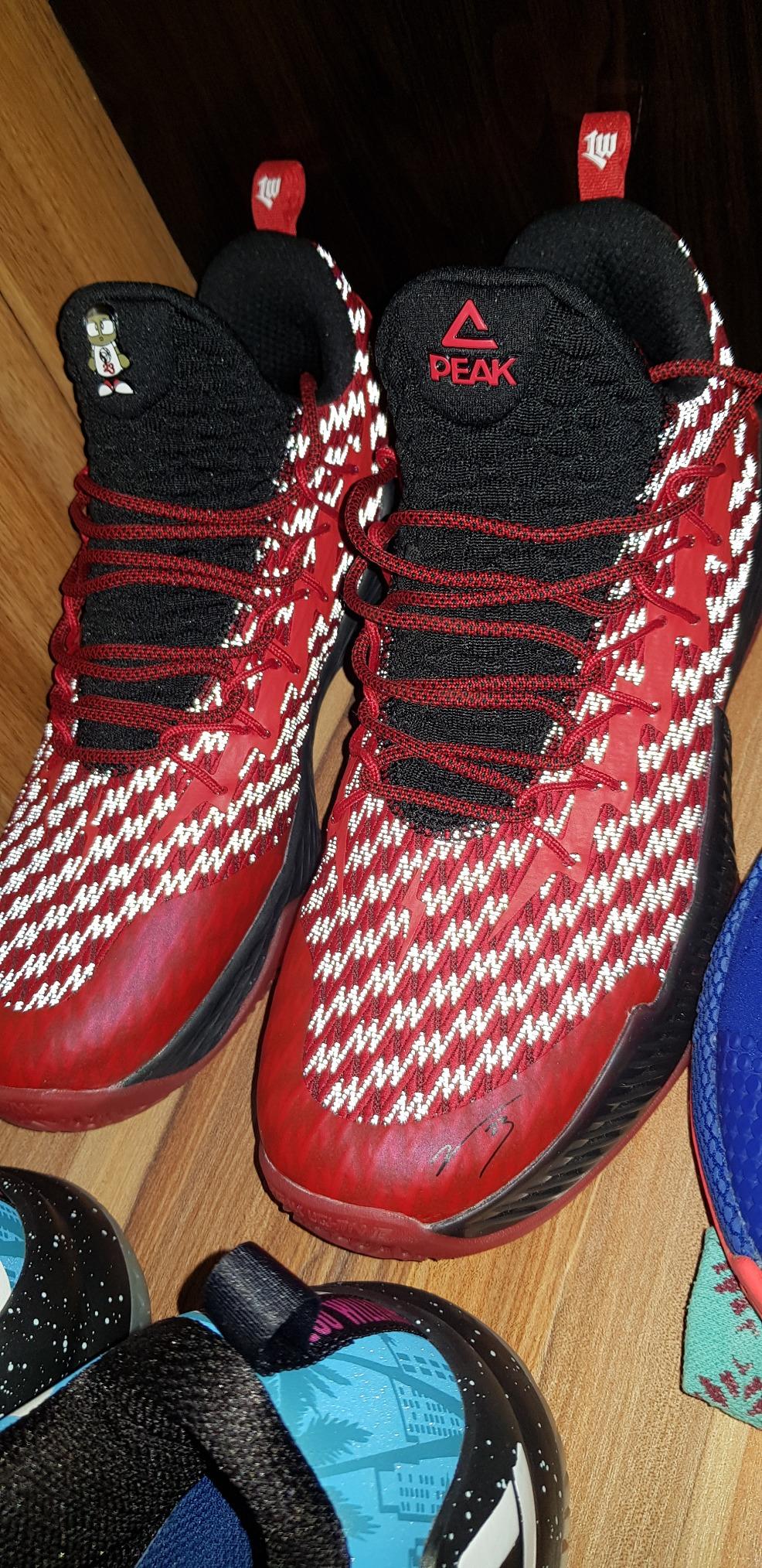
Where it starts breaking down: sessions beyond 75–90 minutes. The P-motive EVA midsole offers enough cushioning for a pickup game, but it’s not absorbing enough to protect your knees and joints during extended play. After two hours of consistent court time, my knees registered what wasn’t there during the first 45 minutes. This doesn’t matter if you play a quick 5-on-5 and go home, but it matters a lot if you’re running multiple runs back-to-back.
Outdoor Court Testing — Where the Real Problem Emerges
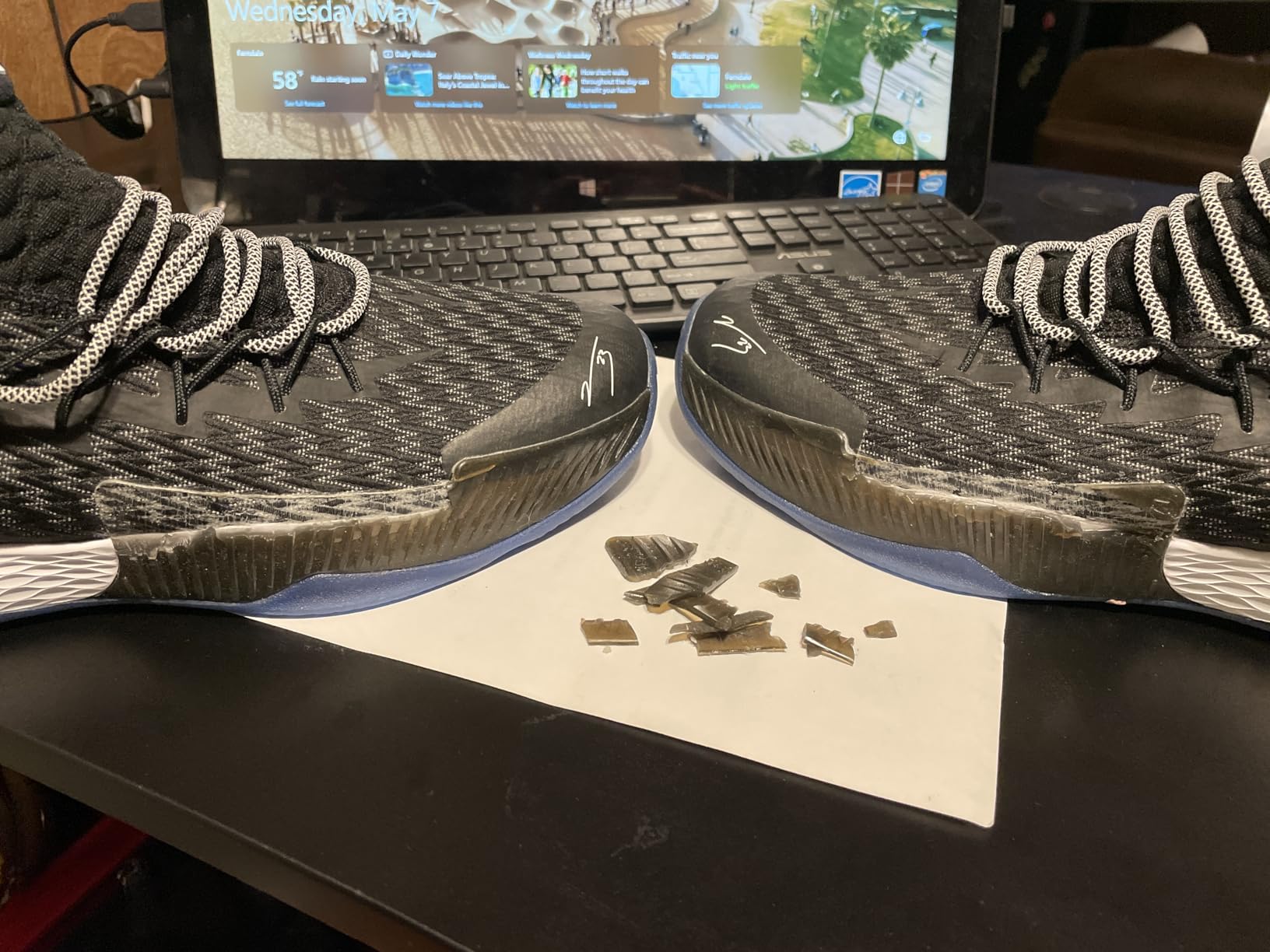
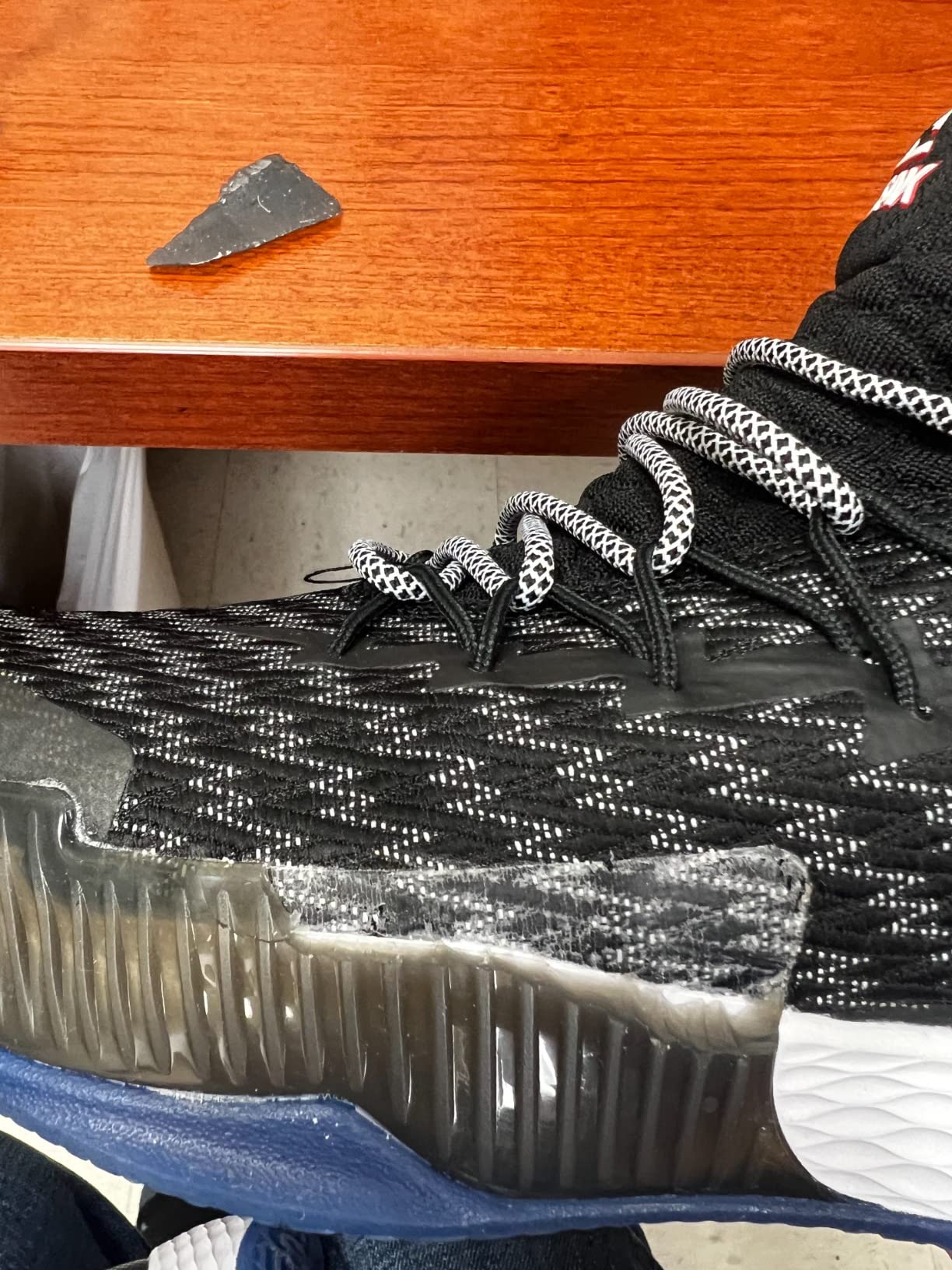
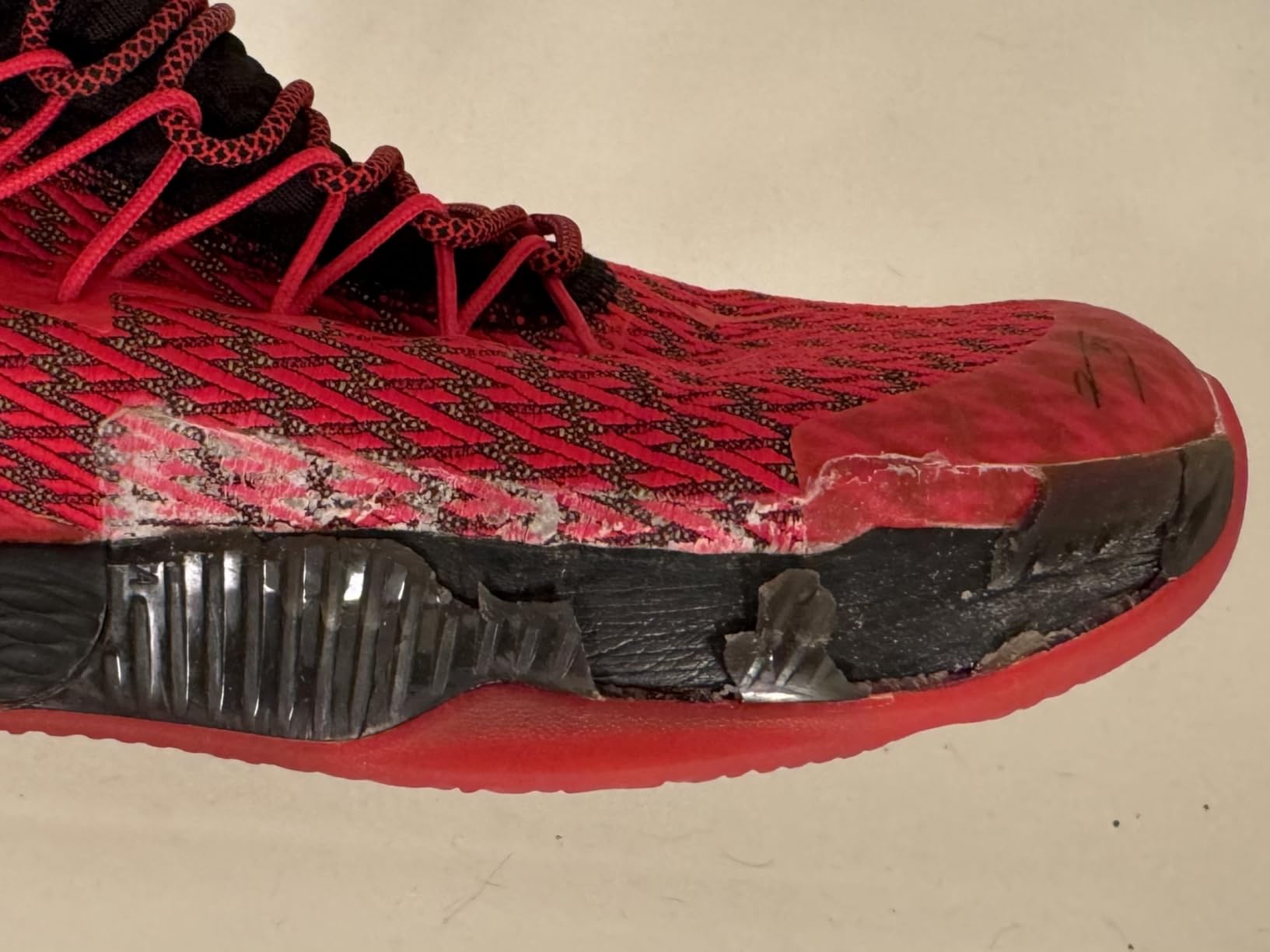
I ran three dedicated outdoor sessions on concrete courts, and this is where the Lightning reveals its fundamental problem. The traction holds reasonably well on rough pavement — the rubber compound doesn’t show the immediate degradation you sometimes get from shoes designed exclusively for hardwood. But what concrete does is stress every connection point on the shoe, and the weakest link in the Lightning’s construction is the rubber/plastic trim that connects the sole to the fabric upper.
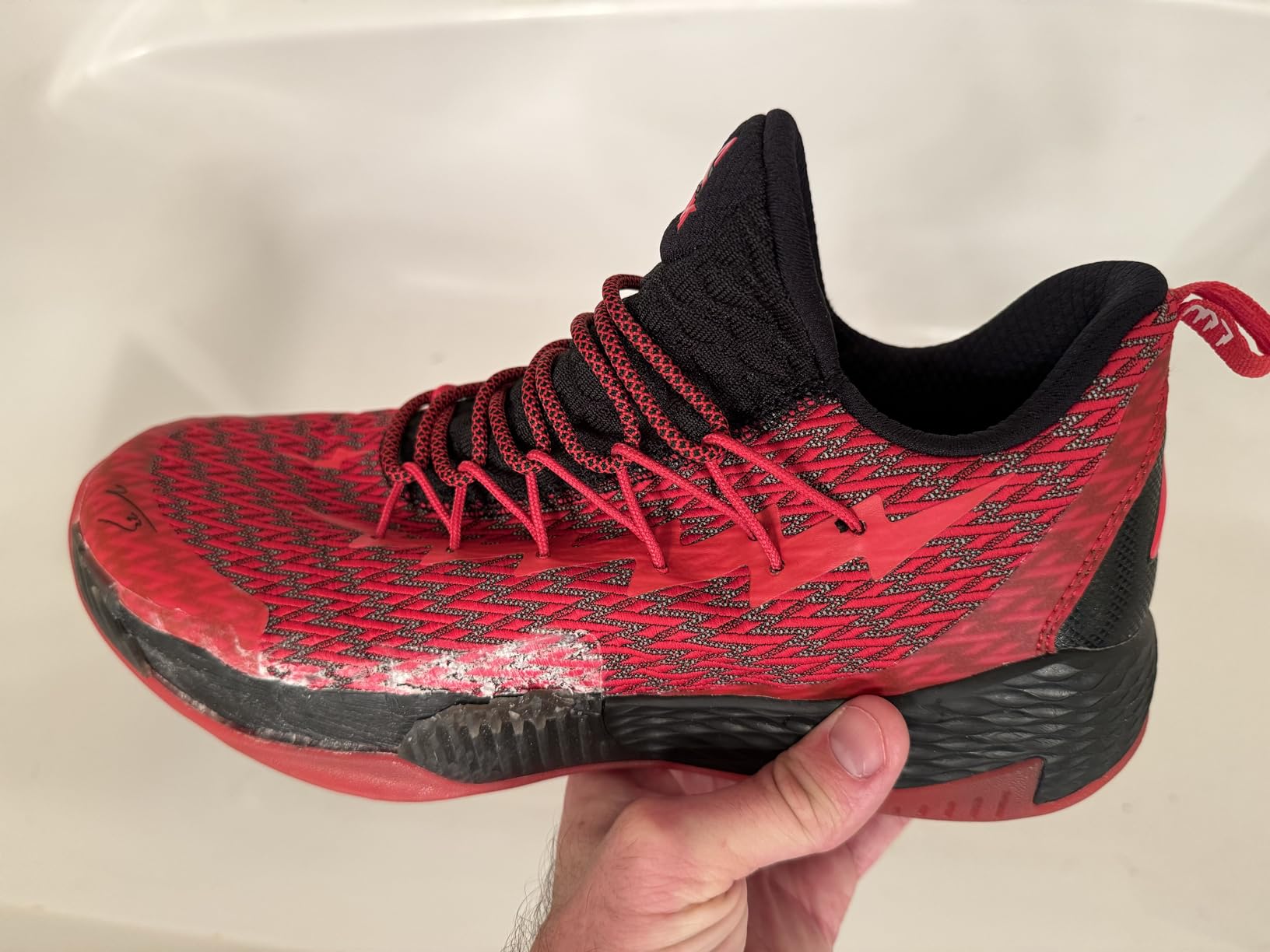
After my second outdoor session, I noticed stress cracks forming in that trim around the forefoot. By the end of my third, there was visible separation starting along the inside edge. This wasn’t just my pair. The player who showed me his Lightning at the gym — the one who’d had them two weeks before I started testing — had the same failure point. A guy I ran into at an outdoor court had his trim pulling away on both shoes after what he estimated was 10 sessions.
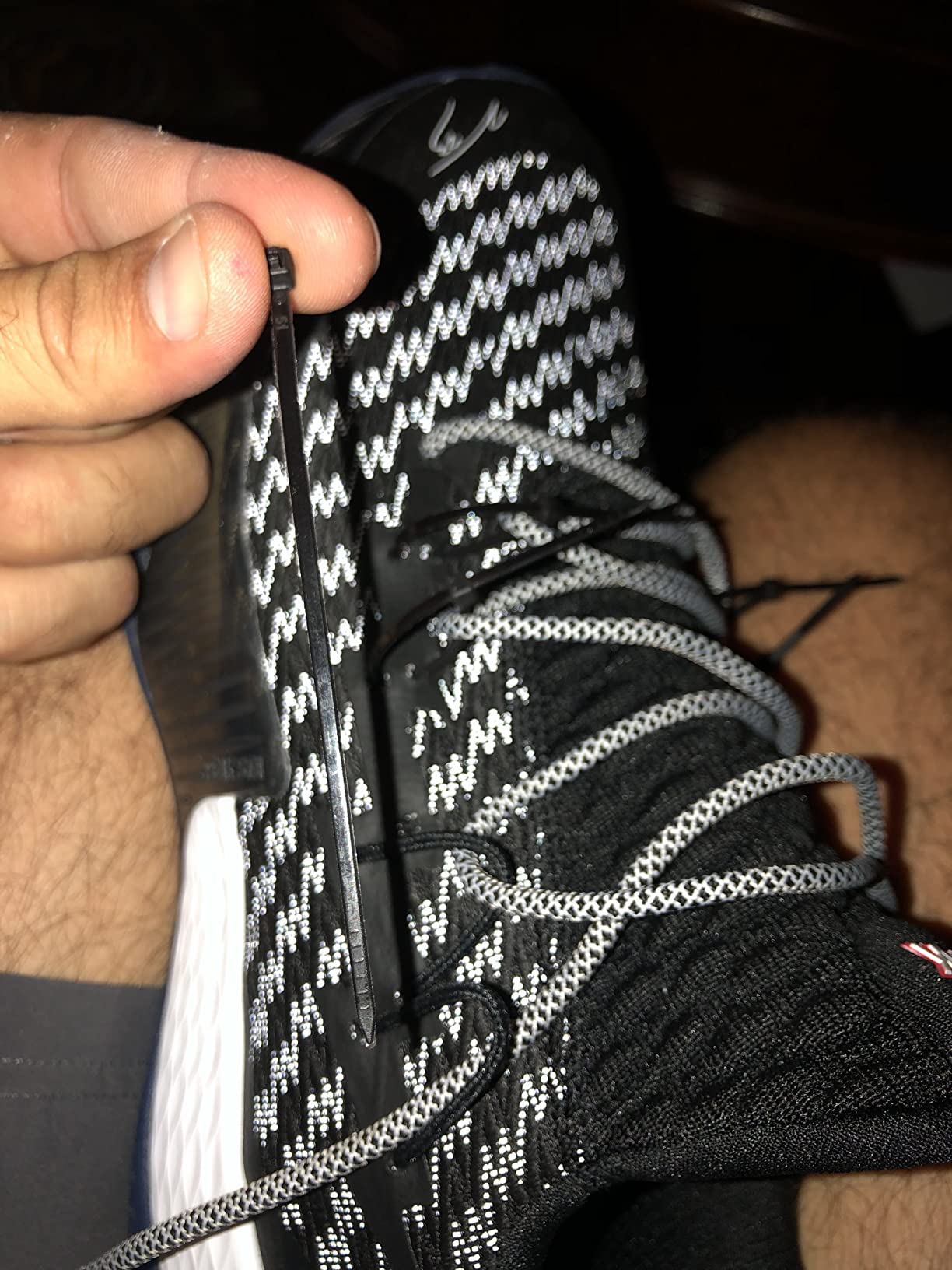
The lacing system adds another layer of risk. Multiple users have reported lace loop failures under tension — the integrated loops don’t have the same failure resistance as traditional metal eyelets. During testing, I was careful not to over-tighten specifically because of this; the loops feel like they’re working near their limit when laces are cinched for serious court play.
Does PEAK Deliver on Their Promises?
PEAK makes three core claims worth testing directly.
“High-Performance Shoes for Professional Athletes and Beginners”: The beginner part is reasonable. For a recreational player who plays once a week and wants something lightweight with decent traction, these work. The professional claim is marketing copy that shouldn’t be taken seriously. The durability failures alone disqualify these from any competitive context where shoes need to hold up through a season.
“Anti-Slip & Durable”: Half credit. The anti-slip is legitimate — 7.0/10 on clean courts is real, and the STA module provides genuine lateral stability. The “durable” claim is the most misleading part of PEAK’s marketing. Consistent rubber separation within weeks of regular use isn’t a durability trade-off; it’s a product failure. PEAK’s own material choice here (the trim compound and bonding method) creates a shoe that looks sturdy until you actually use it.
“Stylish & Stable Design”: Style is subjective, so I’ll let the cartoon logo speak for itself. The stability claim, though, is partially earned. The STA module does what PEAK says it does, and for casual basketball the forefoot support is noticeable. Just don’t confuse stability-at-the-foot with overall structural durability — they’re different things.
My Overall Assessment
After 8 weeks and 24 sessions, the Lightning is a shoe that does some things well enough to attract buyers and fails in exactly the way that disappoints them.
✅ What Works
- Genuine breathability — mesh keeps feet dry through 90-minute sessions
- Lightweight feel (11.2 oz) noticeably different from standard basketball shoes
- STA anti-rollover module delivers real lateral stability
- Good traction on clean indoor courts (7.0/10)
- Wide-foot friendly with proper sizing
- Reflective lightning accents look premium for the price
- Comfortable for casual wear when not playing seriously
❌ Major Issues
- Rubber trim separation: consistent failure pattern across users, days to weeks
- Runs large — size down 0.5 (casual) to 1.0 (court use)
- Laces are universally too long; excess creates tripping hazard
- Integrated lace loops create pressure points when cinched tight
- Cushioning inadequate for extended play (90+ minutes)
- QC variance between batches — inconsistent failure timelines
- Not suitable for regular basketball use
Scoring Breakdown
| Category | Score | Notes |
|---|---|---|
| Traction | 7.0/10 | Solid on clean courts; wipe needed outdoors |
| Cushioning | 5.5/10 | Adequate under 75 min; drops off with extended play |
| Support | 6.0/10 | STA module is genuine; ankle protection minimal |
| Durability | 3.0/10 | Rubber trim separation: consistent, not isolated |
| Comfort | 7.0/10 | Genuinely comfortable when properly sized |
| Style | 6.5/10 | Polarizing logo; reflective elements land well |
| Value | 4.5/10 | Durability kills the value math at regular use intensity |
What Other Players Are Saying
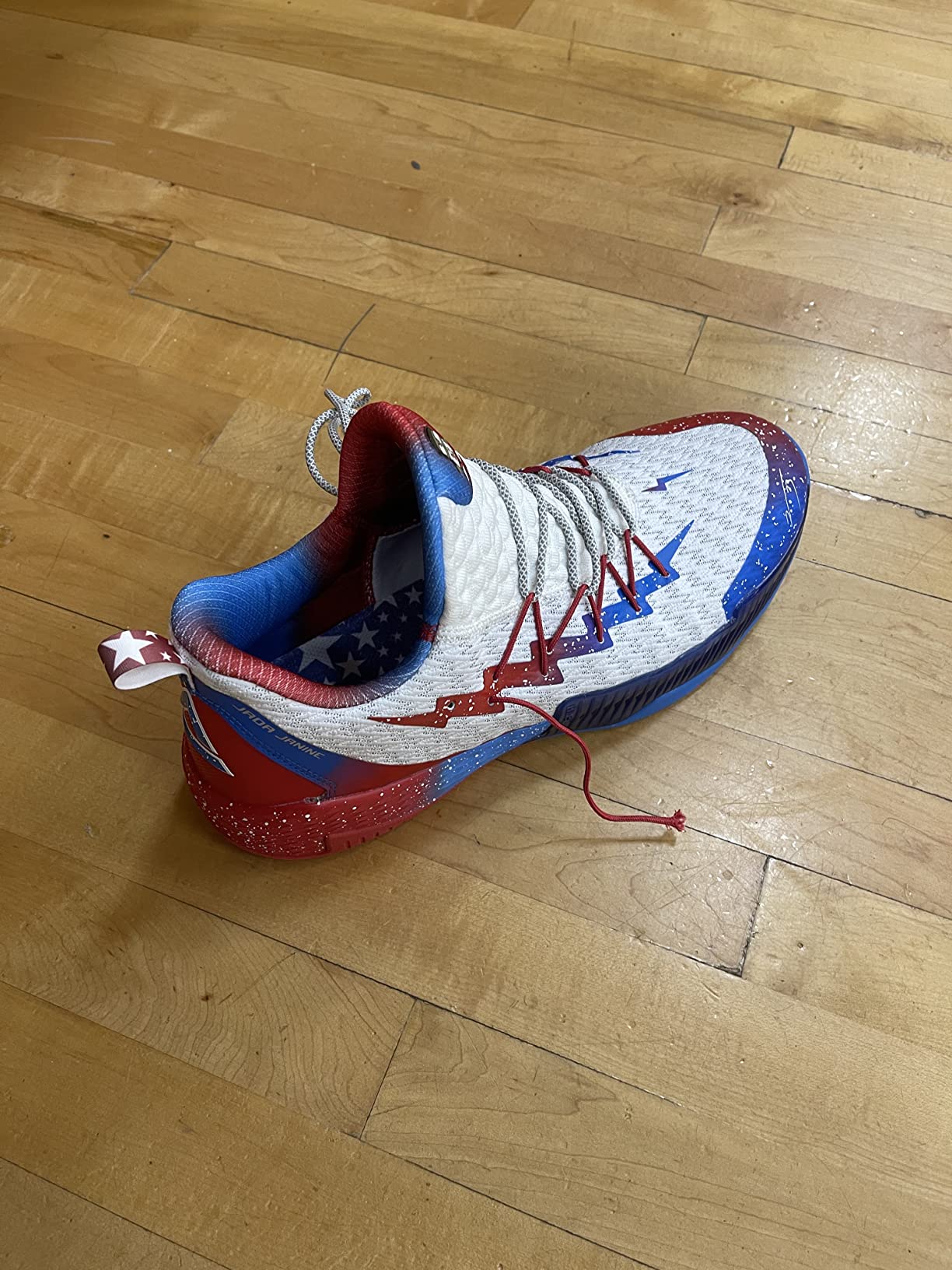
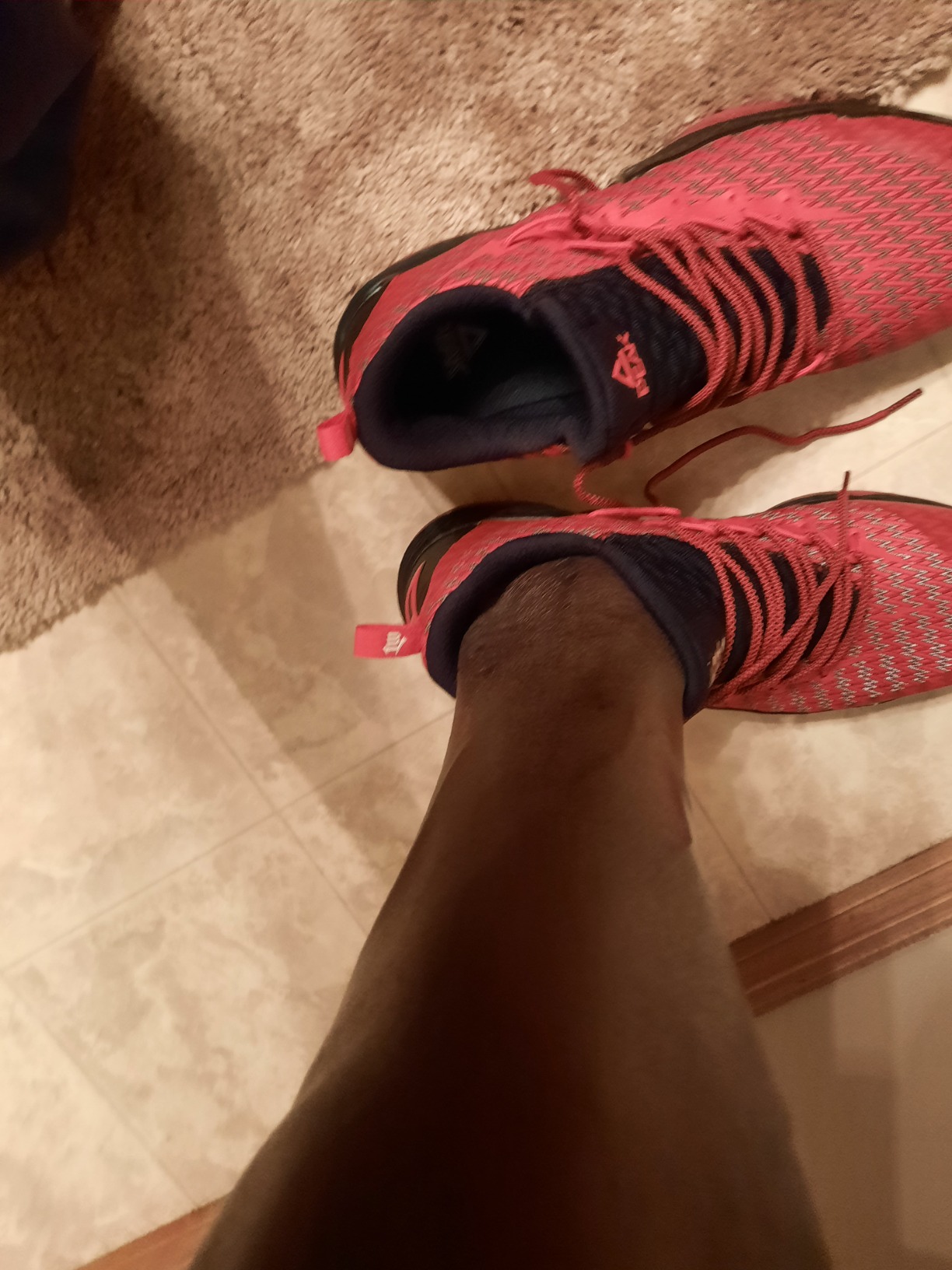
The pattern I heard repeatedly: initial enthusiasm followed by early disappointment. “They felt great the first two weeks, then started coming apart,” was how one of the rec center players put it. Another guy who plays outdoor ball said the sides started splitting after ten sessions — he wasn’t rough with them. A Spanish-speaking player I tested with summarized it well: “Muy cómodos pero se rompen rápido” — very comfortable but they break quickly. That’s the Lightning in eight words.
The Real Cost Math
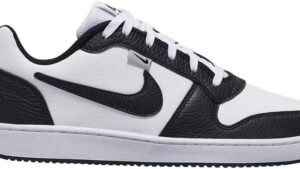
The $60 entry price looks like a deal until you apply the durability math. At 2–4 months of regular use before major failures, you’re spending $20–30 per month on shoes. The Nike LeBron Witness 7 at $110–130 lasts 8–12 months with regular use — roughly $10–16 per month. Even the Nike Ebernon Low Basketball at $65–75 outperforms the Lightning on longevity. Budget entry price doesn’t equal budget long-term cost when the shoe fails this fast.
Who Should Buy the PEAK Lou Williams Lightning?
✅ These work for:
- Casual players who play once a month or less — at that frequency, durability issues won’t emerge quickly, and the comfort and traction hold up fine
- Kids and teens who outgrow shoes before they wear them out — if your 13-year-old needs a half-season shoe before sizing up anyway, the Lightning’s lifespan becomes irrelevant; AND1 kids basketball shoes are another solid option at this price point
- Wide-foot players struggling with standard lasts — the sock construction with a half-size down gives wide feet real room while maintaining decent court feel
- Casual wear / sneaker use off the court — the lightweight design, breathability, and reflective aesthetics work well for daily wear; they’re better lifestyle shoes than performance basketball shoes
- Fans of the Lou Williams colorway aesthetic — if the cartoon logo is a feature not a bug for you, fair enough
❌ Skip if you:
- Play 2+ times per week — at that frequency, durability failures emerge within weeks, not months
- Need shoes to survive a full basketball season — these won’t; the rubber trim will fail long before the season ends
- Play primarily on outdoor courts — outdoor abrasion accelerates the trim separation significantly
- Need serious ankle protection or extended cushioning — the minimal midsole and low ankle profile aren’t built for competitive play
- Value QC consistency — failure timelines vary batch to batch; some users last months, others last days
Better Options at This Price Range
For regular basketball play, the Under Armour Lockdown 7 represents what a budget basketball shoe should look like — durability that matches the marketing. The AND1 Pulse 2.0 is another option for players who want budget-tier pricing without the Lightning’s specific failure points.
If you’re set on a Chinese brand basketball shoe with better build quality, PEAK’s own PEAK Streetball Master Lou Williams is a significant step up — it’s PEAK’s more seriously built signature shoe and doesn’t share the Lightning’s trim separation issues.
For kids needing budget options with better durability, Adidas Don Issue 4 Kids and AND1 Showout Kids Basketball hold up better through a full season.
Frequently Asked Questions
Do these run true to size?
No. PEAK officially recommends half a size down, and my testing supports that as a minimum. For court basketball use — where you need the foot locked in — a full size down gives you noticeably better control. I typically wear a size 10 in basketball shoes; the Lightning at a 9 was the right call for court sessions. Wide-foot players can usually manage with just the half-size down.
How long do they actually last?
Based on my testing and multiple user reports, expect 2–4 months before significant durability issues emerge with regular (2–3x/week) play. Some users see rubber trim separation in weeks; others report months before failure. The variance suggests some QC inconsistency between production batches. Light users (1x/month) can expect considerably longer life.
Are these good for outdoor basketball?
The traction holds adequately on concrete, but outdoor use accelerates the shoe’s primary failure mode — the rubber trim separation happens faster when the shoe is stressed by abrasive surfaces. If outdoor play is your primary context, look at shoes with more robust upper-to-sole bonding. The Lightning is better on indoor hardwood.
What about the Lou Williams logo — does it look cheap in person?
The cartoon character logo is bolder in person than photos suggest. Whether that reads as “characterful” or “childish” is genuinely personal — I’ve seen strong reactions both directions from adult players. The reflective lightning bolts are universally well-received, though; they photograph well and look premium under gym lighting.
Can I use these for workouts or gym sessions instead of basketball?
They’re actually better suited for general gym use than serious basketball. The lightweight design and breathability work well for lifting, agility drills, or casual cardio. The durability issues are less likely to manifest in low-lateral-movement gym activities than on court. For a gym-only shoe at this price point, they’re reasonable.
Are the laces actually too long?
Every user I talked to, and every review that addressed it, confirmed this. The laces are about 4–6 inches longer than needed for most adult sizes, creating excess that has to be double-knotted or tucked. It’s a minor annoyance but a universal one. Aftermarket laces at the right length fix it immediately.
What’s the warranty situation if they fall apart?
Mixed at best. Some Amazon buyers have received partial refunds or replacement offers; others have been offered $5 credit toward future purchases. PEAK’s direct warranty experience varies significantly. Don’t purchase these expecting warranty coverage to protect you from the durability issues — budget for the possibility of early failure if you’re buying for regular use.
Is there a version that fixes these problems?
The PEAK Streetball Master Lou Williams is PEAK’s other signature model in the same Lou Williams line, and it has a fundamentally different construction approach — higher collar, different upper bonding, and substantially better user durability reports. If you want a PEAK Lou Williams shoe that holds up, that’s the one to look at. The Reebok Solution Mid Basketball is another budget-range option with better build consistency.
Final Verdict
| Strengths | Weaknesses |
|---|---|
| • Genuine breathability through 90-min sessions • STA lateral stability module works • Lightweight feel (11.2 oz) • Good traction on clean courts • Wide-foot friendly construction • Impressive reflective aesthetics for price |
• Rubber trim separation: consistent, not isolated • Runs large — requires significant sizing adjustment • Cushioning insufficient for extended play • Lace system creates pressure points + too long • QC variance between batches • Not suited for regular basketball use |
The PEAK Lou Williams Lightning is a shoe that wants to be more than it is. The design is compelling, the breathability is real, and the STA stability module delivers something most budget basketball shoes skip. But the rubber trim separation is a fundamental product failure, not a minor trade-off — and it’s widespread enough that it defines the shoe’s identity.
If you find these at $35–40 and understand you’re buying a casual shoe with a 2–4 month lifespan under regular use, that’s a reasonable transaction. At full retail — $60–90 on Amazon, $99 direct from PEAK — there are better choices. The Under Armour Lockdown 7, the Nike Ebernon Low, even the ASHION Men’s Lightweight Basketball offer more durable construction at similar price points. For players who actually use their basketball shoes to play basketball, the Lightning’s cost math doesn’t add up.
Be the first to review “PEAK Men’s Sneakers, Lou Williams Lightning Sport Shoes for Basketball”
Related products
Basketball Shoes
Basketball Shoes
Basketball Shoes
Basketball Shoes
Basketball Shoes
Basketball Shoes
Basketball Shoes
Basketball Shoes
Socviis Men’s Air Running Shoes Breathable Tennis Basketball
Reviews
There are no reviews yet.